
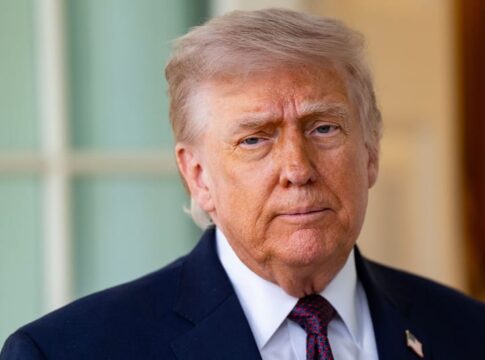
President Donald Trump must sit for a deposition in his defamation lawsuit against the BBC by December 11, 2026, a federal judge ordered Thursday after the network accused him of canceling a previously agreed-upon date while citing vague national security concerns.
Broken Agreement Triggers Court Action
The BBC filed a motion last week requesting the court compel the president to appear for questioning after Trump canceled a scheduled October 16, 2026 deposition. His legal team cited “matters of national importance” without providing specific details about the conflicts preventing his appearance. The judge rejected this reasoning, setting a firm December deadline that allows no further delays without extraordinary justification.
The lawsuit stems from statements Trump made regarding the BBC’s coverage of his administration. Legal experts note that defamation cases require plaintiffs to prove false statements caused measurable harm, placing the burden of proof squarely on Trump’s legal team. The president’s reluctance to sit for questioning raises questions about the strength of his claims against the British broadcasting corporation.


Presidential Accountability Under Scrutiny
Constitutional scholars emphasize that sitting presidents remain subject to civil litigation, a principle established in Clinton v. Jones. The Supreme Court ruled in 1997 that the Constitution does not grant presidents immunity from civil damages lawsuits for actions taken before entering office. Trump’s attempt to delay the deposition using executive authority appears inconsistent with this established precedent.
The BBC’s attorneys argued that Trump initiated this lawsuit voluntarily and cannot now avoid the standard legal process every American faces. They contend the president’s schedule conflicts represent routine business that should not override his obligations as a plaintiff in civil court. The judge’s order reinforces that no American stands above the law, regardless of office held.
What This Means
This ruling affirms fundamental constitutional principles about equal justice and presidential accountability. Trump now faces a firm deadline to answer questions under oath about his defamation claims. Legal observers expect his testimony to become public record, potentially revealing details about his media strategy and relationship with international news organizations. The December 11 deadline ensures resolution moves forward despite attempts at delay. Americans committed to constitutional governance should watch whether the president honors this court order or continues seeking special treatment unavailable to ordinary citizens.