
A technology writer has identified a lightweight, self-hosted file storage solution that challenges the dominance of commercial cloud services like Dropbox, offering users greater control over their data without sacrificing performance or convenience.
Breaking Free From Cloud Dependency
Tashreef Shareef, a technology writer at MakeUseOf, recently detailed his transition away from Dropbox after growing concerns about cost and data privacy. The commercial service, while reliable and fast, offers only 2GB of free storage and stores user files on external servers beyond personal control. These limitations pushed Shareef to explore self-hosted alternatives that would give him direct ownership of his data while maintaining the sync functionality users expect from modern cloud services.
After initially testing Nextcloud, a popular self-hosted platform, Shareef found it overly complex for basic file synchronization needs. The software bundles calendars, contacts, chat features, and an office suite into one package, creating what he described as resource-heavy performance issues on modest hardware. The system consumed excessive memory and processing power while delivering a noticeably slower user experience compared to commercial alternatives.
Lightweight Solution Emerges
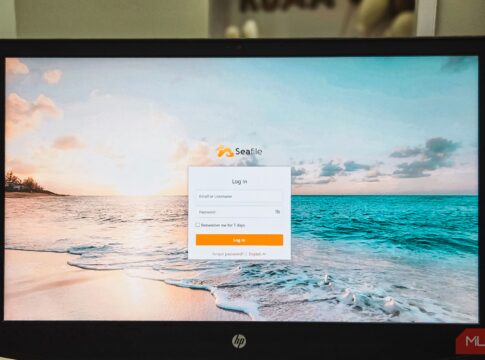
Seafile, an open-source platform focused exclusively on file synchronization and sharing, proved superior for Shareef’s needs. The software runs efficiently on older hardware, using significantly less memory and processing power than all-in-one solutions. Its web interface loads quickly and displays files immediately, without the delays common to more complex platforms. By concentrating solely on file management rather than attempting to replace entire productivity suites, Seafile delivers faster performance with fewer technical requirements.
The platform employs block-level synchronization technology, splitting files into small chunks and transferring only modified portions when changes occur. This approach proves particularly valuable when working with large files like video projects or virtual machine images, avoiding the need to re-upload entire files after minor edits. The system includes both traditional sync folders and a virtual drive option that downloads files only when accessed, similar to features offered by commercial services.
What This Means
The shift toward self-hosted solutions reflects growing concerns about data privacy and the ongoing costs of commercial cloud services. For users willing to manage their own hardware, platforms like Seafile offer a path to greater independence from major technology companies while maintaining modern functionality. This approach aligns with principles of personal responsibility and reduced reliance on corporate infrastructure, though it requires technical knowledge and upfront investment in hardware.