
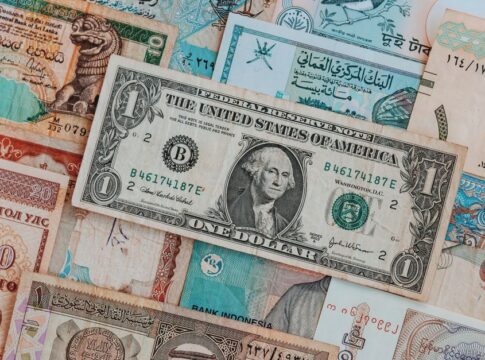
The Future of Global Reserve Currencies
The landscape of global reserve currencies stands at a pivotal crossroads, shaped by evolving economic powers, technological innovations, and shifting geopolitical dynamics. As nations reassess their financial strategies and new monetary instruments emerge, the traditional dominance of established reserve currencies faces unprecedented challenges and transformations that will reshape international finance for decades to come.
Understanding Reserve Currencies
A reserve currency serves as a foreign currency held in significant quantities by central banks and major financial institutions as part of their foreign exchange reserves. These currencies facilitate international trade, investment, and serve as a benchmark for currency valuations. Historically, reserve currencies have been issued by economically stable nations with deep, liquid financial markets and strong legal frameworks that inspire confidence in their long-term value.
The U.S. dollar has maintained its position as the world’s primary reserve currency since the mid-20th century, accounting for approximately 60 percent of global foreign exchange reserves. This dominance provides the United States with substantial economic advantages, including lower borrowing costs and significant influence over global financial systems. However, this hegemony is increasingly being questioned as global economic dynamics shift.
Current State of Reserve Currency Distribution
Today’s reserve currency landscape remains concentrated among a handful of major currencies. The U.S. dollar leads, followed by the euro, which represents roughly 20 percent of global reserves. The Japanese yen, British pound, and Chinese renminbi constitute smaller but significant portions, with the remainder distributed among various other currencies.
The International Monetary Fund’s Special Drawing Rights (SDR) system represents an attempt to create a supplementary reserve asset, comprising a basket of five major currencies: the U.S. dollar, euro, Chinese renminbi, Japanese yen, and British pound. While SDRs play a role in international monetary cooperation, they have not emerged as a primary reserve currency alternative.
Factors Driving Change
Economic Power Shifts
The continuing rise of emerging economies, particularly China and India, fundamentally alters the global economic balance. China’s economy has grown to become the world’s second-largest, and its influence in international trade continues expanding. This economic ascendance naturally raises questions about whether reserve currency distribution should reflect contemporary economic realities rather than historical patterns.
Technological Disruption
Digital currencies and blockchain technology introduce entirely new paradigms for monetary systems. Central Bank Digital Currencies (CBDCs) are under development or already implemented in various nations, potentially transforming how reserve currencies function. These technologies offer faster transaction speeds, reduced costs, and enhanced transparency, challenging traditional banking infrastructure.
Geopolitical Considerations
Political tensions and sanctions have motivated some nations to reduce dependence on dollar-dominated systems. Countries subject to economic sanctions or concerned about potential future restrictions actively seek alternative reserve currency arrangements. This has accelerated bilateral trade agreements using non-dollar currencies and efforts to develop parallel payment systems.
The Rise of Alternative Reserve Currencies
The Chinese Renminbi
China has systematically worked to internationalize its currency through various initiatives. The Belt and Road Initiative encourages renminbi usage in trade and investment across participating nations. China has established currency swap agreements with numerous countries and created renminbi clearing centers in major financial hubs worldwide. Despite these efforts, capital controls and concerns about transparency limit the renminbi’s full emergence as a major reserve currency.
The Euro’s Position
The euro represents the most significant alternative to dollar dominance, backed by the combined economic strength of the European Union. However, political fragmentation within the EU, varying fiscal policies among member states, and periodic sovereign debt concerns have prevented the euro from substantially increasing its reserve currency share in recent years.
Cryptocurrency Considerations
Bitcoin and other cryptocurrencies have attracted attention as potential reserve assets, with some nations and institutions adding them to reserves. However, extreme volatility, regulatory uncertainty, and limited acceptance for routine transactions restrict their viability as primary reserve currencies. Stablecoins, designed to maintain stable values, present another avenue but face regulatory scrutiny and questions about backing assets.
Challenges to Dollar Dominance
Several factors could erode dollar dominance over time:
- Persistent U.S. fiscal deficits and growing national debt raise concerns about long-term dollar stability
- Increasing use of economic sanctions as a foreign policy tool motivates affected nations to seek alternatives
- Development of regional payment systems reduces reliance on dollar-based infrastructure
- Climate change considerations may influence reserve currency preferences toward nations with stronger environmental policies
- Demographic shifts and changing economic centers of gravity suggest natural evolution toward multipolar currency systems
Potential Future Scenarios
Continued Dollar Dominance
One scenario envisions the dollar maintaining primacy through the depth and liquidity of U.S. financial markets, the strength of American institutions, and network effects that make switching costly. Historical precedent shows reserve currency transitions occur slowly, often spanning decades.
Multipolar Currency System
A more likely scenario involves gradual evolution toward a multipolar system where multiple currencies share reserve status more equally. This would reduce systemic risks associated with single-currency dominance while reflecting diverse economic power centers. Regional currencies might gain prominence within their spheres while major currencies maintain global roles.
Digital Currency Revolution
Technological advancement could enable entirely new reserve currency forms. A widely adopted CBDC issued by a major economy, or even a basket of digital currencies, might provide the stability, efficiency, and neutrality that current systems lack. International cooperation on digital currency standards could facilitate this transition.
Implications and Conclusions
The future of global reserve currencies will significantly impact international trade, capital flows, and economic stability. Transition periods may create volatility and uncertainty, requiring careful management by policymakers and financial institutions. Nations heavily invested in current reserve currencies must monitor developments and adjust strategies accordingly.
While dramatic overnight changes appear unlikely, the gradual evolution toward a more diverse reserve currency landscape seems inevitable. This transition reflects broader shifts in global economic power, technological capabilities, and geopolitical relationships. Stakeholders across government, finance, and business must prepare for a more complex, multipolar monetary future that demands greater flexibility and sophisticated risk management strategies.