
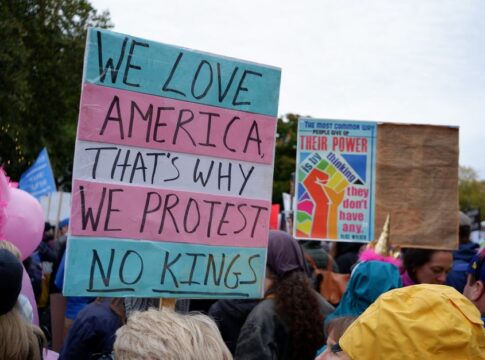
How Memes Influence Political Discourse
In the digital age, political communication has undergone a profound transformation. Among the most significant developments is the rise of memes as a powerful tool for shaping political discourse. What began as simple internet humor has evolved into a sophisticated form of political expression that influences public opinion, mobilizes voters, and challenges traditional forms of political communication. Understanding the role of memes in contemporary politics has become essential for comprehending how modern democratic processes function in an increasingly digital world.
The Nature and Mechanics of Political Memes
Political memes are units of cultural information that spread rapidly through digital networks, typically combining visual elements with concise text to convey political messages, commentary, or satire. Unlike traditional political communication, memes are designed for immediate comprehension and easy sharing, making them particularly effective in the fast-paced environment of social media platforms.
The power of political memes lies in their ability to distill complex political issues into digestible, emotionally resonant content. They function as a form of visual shorthand, allowing users to quickly communicate their political positions, mock opponents, or highlight perceived inconsistencies in political narratives. This simplification, while making political content more accessible, also raises important questions about the depth of political discourse in the digital age.
Mechanisms of Influence
Rapid Information Dissemination
Political memes spread at unprecedented speeds across social media platforms, often reaching millions of users within hours of creation. This viral nature allows political messages to penetrate demographic groups that might not engage with traditional political media. The shareability of memes creates a networked effect where political ideas cascade through various online communities, amplifying their reach and impact far beyond what traditional political advertising could achieve.
Emotional Engagement and Persuasion
Memes are particularly effective at triggering emotional responses, which research has shown to be a critical factor in political persuasion. By combining humor, irony, or outrage with political content, memes create memorable associations that can influence how individuals perceive political figures, policies, or events. This emotional dimension makes memes more memorable than straightforward factual presentations, potentially having longer-lasting effects on political attitudes.
Community Building and Identity Formation
Political memes serve as identity markers that help individuals signal their political affiliations and find like-minded communities online. Sharing specific memes becomes a way of performing political identity, creating in-group solidarity among those who understand and appreciate the reference. This community-building function strengthens political tribalism and reinforces existing beliefs within echo chambers, though it can also mobilize previously disengaged citizens around political causes.
Impact on Democratic Discourse
Democratization of Political Communication
Memes have democratized political communication by lowering barriers to participation in political discourse. Anyone with internet access can create and distribute political content, challenging the traditional gatekeeping role of established media institutions and political parties. This democratization has given voice to marginalized groups and grassroots movements, enabling bottom-up political communication that can compete with official campaign messaging.
Simplification and Polarization
The condensed nature of memes necessarily simplifies complex political issues, which can both enlighten and mislead. While simplification can make politics more accessible, it can also strip away nuance, context, and complexity that are essential for informed decision-making. Political memes often present issues in stark binary terms, contributing to political polarization by reinforcing us-versus-them narratives and making compromise appear as betrayal.
Challenge to Traditional Authority
Political memes frequently employ satire and mockery to challenge political authority and question official narratives. This irreverent approach can serve important democratic functions by holding power accountable and encouraging critical thinking. However, the same tools can be weaponized to undermine legitimate institutions, spread disinformation, and erode trust in democratic processes.
Memes in Electoral Politics
Modern political campaigns have recognized the strategic value of memes and increasingly incorporate them into their communication strategies. Campaign teams now employ social media specialists who create and disseminate memes to shape candidate perception, attack opponents, and mobilize supporters. The 2016 United States presidential election marked a watershed moment in meme-driven politics, demonstrating how grassroots meme creation could significantly impact electoral outcomes.
Political memes have proven particularly effective at reaching younger voters who consume news primarily through social media. Campaigns that successfully harness meme culture can generate organic engagement that traditional advertising cannot match. However, this has also created new vulnerabilities, as campaigns must navigate the unpredictable and often uncontrollable nature of viral content.
Challenges and Concerns
Misinformation and Manipulation
The ease of creating and sharing memes makes them ideal vectors for political misinformation. False or misleading claims can be packaged in meme format and spread widely before fact-checkers can respond. State actors and political operatives have exploited this vulnerability to conduct influence operations, sow discord, and manipulate public opinion.
Quality of Deliberation
Critics argue that meme-based political discourse undermines the quality of democratic deliberation by prioritizing emotional reactions over reasoned argument. The incentive structures of social media platforms reward content that generates engagement, which often means controversial or inflammatory memes spread more effectively than nuanced political analysis.
The Future of Political Memes
As digital platforms continue to evolve, memes will likely remain a central feature of political discourse. Artificial intelligence and deepfake technology are already creating new possibilities and challenges for meme-based political communication. Understanding how memes influence political attitudes and behaviors will be crucial for maintaining healthy democratic discourse in an increasingly digital world.
Political memes represent a double-edged sword in contemporary democracy. They have democratized political expression, engaged previously disconnected citizens, and provided powerful tools for holding power accountable. Simultaneously, they have contributed to polarization, simplified complex issues, and created new avenues for manipulation. Navigating this landscape requires digital literacy, critical thinking, and ongoing dialogue about the role of humor and viral content in shaping our political future.