
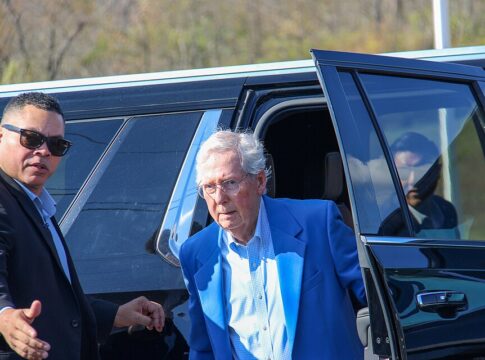
Senate Republican leader Mitch McConnell ended three weeks of speculation Sunday by revealing he suffered a fall at home that left him briefly unconscious and hospitalized with subsequent pneumonia, as the Senate grapples with his absence and the sudden death of Senator Lindsey Graham.
Fall Attributed to Childhood Polio
In an open letter to Kentuckians, McConnell attributed the June 14 fall to lingering effects from childhood polio. The 82-year-old Senate veteran confirmed he was briefly unconscious after the incident at his home, which prompted emergency dispatch audio that leaked online and fueled intense speculation about his condition. His attending physician noted McConnell has experienced multiple falls throughout the year linked to his post-polio condition.
McConnell addressed widespread concerns directly, stating he did not suffer a heart attack, stroke, concussion, or break any bones. He also confirmed no tumors or hemorrhages were found during comprehensive medical evaluation. Early in his hospital stay, he developed mild pneumonia that responded quickly to antibiotic treatment, according to his medical team.
Three Weeks of Silence Sparks Firestorm
The Kentucky Republican’s office refused for weeks to explain the true nature of his hospitalization, triggering rampant online speculation that he was in a vegetative state. The situation intensified when leaked emergency dispatch audio revealed responders found McConnell unconscious with possible heart attack symptoms. Adding to public scrutiny, his wife Elaine Chao traveled to China days after his hospitalization for what her office described as long-planned philanthropic work, saying his condition did not warrant her immediate return.
Senate Loses Two Critical Votes
McConnell’s continued absence, combined with Graham’s shocking death after returning from Ukraine, leaves the Senate down two crucial Republican votes during a critical push to advance President Donald Trump’s legislative agenda through August. McConnell acknowledged the timing in his statement, saying his decision to retire in January stemmed partly from being honest about the physical demands of Senate work. He vowed to complete unfinished business before his term ends, though he provided no specific timeline for returning to floor votes on his doctors’ advice.