
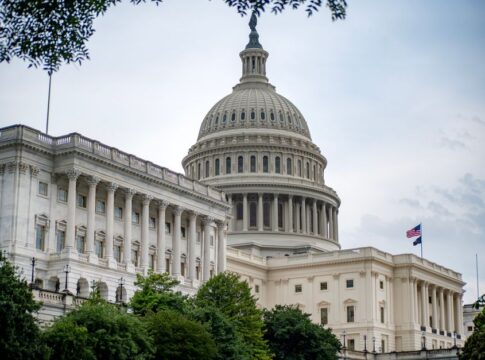
Photo: Ramaz Bluashvili / Pexels
By US Daily Tribune Newsroom, National Desk — Published October 26, 2026
Table of Contents
- Key Takeaways
- The Background & Context
- Why This Matters
- Reactions & Analysis
- What Happens Next
- Frequently Asked Questions
A sweeping legal battle is unfolding across America’s courtrooms as judges nationwide examine the Trump administration’s efforts to reshape how elections are managed at the state and local level. What courts said Trump administration actions represent remains a central question in national news, with 34 separate judicial rulings now forming a comprehensive record of how the federal government’s election-related initiatives have fared under constitutional scrutiny.
The litigation surge comes as states push back against what they describe as federal overreach into election administration—a domain traditionally controlled by state and local officials. Washington state officials recently celebrated a significant court victory, declaring that the Trump administration’s “anti-democratic new rule” has been stopped and that the state’s elections remain “safe and secure.”
This legal pushback represents more than routine policy disputes. It tests fundamental questions about federalism, the separation of powers, and whether the executive branch can unilaterally alter the machinery of American democracy without congressional authorization or state consent.
Key Takeaways
- Thirty-four court rulings have now addressed Trump administration attempts to modify or control aspects of election administration across multiple states.
- Washington state successfully blocked what officials characterized as an anti-democratic rule that threatened election security and state sovereignty over voting procedures.
- Legal challenges are being tracked systematically by multiple organizations monitoring federal actions that impact electoral processes and democratic institutions.
- The cases span issues from voter registration to election certification, testing the boundaries between federal authority and state control over elections.
- Courts have served as a critical check on executive power, with judges examining whether administrative actions comply with existing law and constitutional limits.
- The litigation represents one of the most concentrated periods of election-related judicial activity in modern American history.
The Background & Context
American elections operate through a complex web of federal, state, and local authority. The Constitution grants states primary responsibility for conducting elections, even for federal offices. This arrangement has endured for more than two centuries, creating fifty different systems with varying rules on registration, ballot access, counting procedures, and certification.
The current wave of litigation emerged as the Trump administration sought to implement new policies affecting how states conduct elections. These efforts ranged from changes in voter registration procedures to alterations in how election results are certified and reported to federal authorities. State officials, particularly in jurisdictions that pride themselves on robust election security measures, viewed these initiatives as encroachments on their constitutional prerogatives.
Organizations dedicated to tracking federal actions have documented the legal challenges systematically. The Brennan Center for Justice compiled the comprehensive tally of 34 court decisions, while Just Security maintains an ongoing litigation tracker monitoring legal challenges to administration actions across multiple policy domains, including election administration.
What distinguishes this litigation from typical administrative law disputes is the subject matter. Elections form the foundation of democratic legitimacy. When courts evaluate challenges to election-related policies, they weigh not just administrative procedure but fundamental questions about who controls the mechanisms through which Americans choose their leaders.
The Washington state case exemplifies the stakes. State officials characterized the blocked rule as anti-democratic and emphasized their commitment to defending voter rights and election integrity. Their successful defense in court prevented implementation of federal requirements they argued would have compromised their carefully constructed election security protocols.
Why This Matters
For ordinary Americans, these courtroom battles directly affect how they register to vote, cast ballots, and have their votes counted. Changes in election administration aren’t abstract policy questions—they determine whether citizens can easily access polling places, whether their mail ballots arrive on time, and whether election results reflect the actual will of voters.
The federal structure of American elections exists for good reasons. States serve as laboratories of democracy, experimenting with different approaches to voter access, ballot design, and counting procedures. Some states have pioneered mail voting systems that work smoothly for their populations. Others have developed sophisticated electronic poll books that streamline in-person voting. Federal mandates that override these state-tailored systems risk disrupting processes that work well locally.
But the litigation also raises questions about uniformity and national standards. Should federal elections—for president, Senate, and House—follow consistent rules nationwide? Or should states retain maximum flexibility to design systems reflecting their unique circumstances and political cultures?
The Supreme Court has historically balanced these competing interests carefully. While recognizing broad state authority over election mechanics, the court has also upheld federal power to enforce voting rights and prevent discrimination. The current litigation tests where those boundaries lie when an administration seeks to impose new requirements without explicit congressional authorization.
Taxpayers have a stake too. Litigation is expensive. States spend millions defending their election systems in court—money that could otherwise fund improved voting equipment, better poll worker training, or enhanced cybersecurity. The federal government likewise devotes substantial resources to these legal battles. Every dollar spent on courtroom disputes is a dollar not spent on actual election security improvements.
Beyond immediate practical effects, these cases shape precedent that will govern election administration for decades. Judicial rulings establish boundaries that future administrations must respect. When courts consistently reject certain types of federal intervention, they create legal guardrails protecting state autonomy. When they uphold federal authority in specific areas, they establish that the national government can act to ensure baseline standards.
Reactions & Analysis
Washington state officials expressed relief and determination following their court victory. They framed the ruling as protecting democratic processes and ensuring elections remain secure. Their statement emphasized that Washington voters can trust their electoral system continues operating under state oversight rather than federal mandates they view as problematic.
The rhetoric surrounding these cases has been pointed. Characterizing proposed rules as “anti-democratic” represents strong language from state officials typically measured in their public statements. This word choice signals how seriously states view the stakes—not as routine administrative disagreements but as fundamental challenges to democratic governance.
Legal experts tracking the cases note patterns in judicial reasoning. Courts have repeatedly questioned whether the administration possesses statutory authority for its proposed changes. Judges ask what law Congress passed authorizing specific federal interventions in state election processes. When agencies cannot point to clear congressional authorization, courts often block the initiatives as exceeding executive power.
The volume of litigation itself tells a story. Thirty-four court rulings represent an extraordinary level of judicial engagement with executive branch election policies. This suggests either that the administration is pushing boundaries aggressively or that states are unusually resistant to federal coordination—or both. Either way, the frequency of court challenges indicates deep disagreement about the proper federal role in election administration.
Some observers note that courts are functioning as intended—serving as neutral arbiters when the political branches clash. Rather than viewing judicial intervention as problematic, this perspective sees it as evidence that constitutional checks and balances remain operational. When states believe federal actions exceed legal authority, they can seek judicial review. Courts then evaluate the claims based on law rather than politics.
What Happens Next
The litigation pipeline remains full. Cases continue working through federal district courts, appellate panels, and potentially the Supreme Court. Each ruling creates precedent that shapes subsequent disputes, but many questions remain unresolved.
States that successfully blocked federal initiatives will continue defending their victories. The administration may appeal unfavorable rulings, seeking higher court review. This process can take months or years, meaning some disputes may not reach final resolution until after the next election cycle.
Meanwhile, election officials face uncertainty. When courts issue preliminary injunctions blocking rules temporarily, officials don’t know whether those rules might eventually take effect. This makes long-term planning difficult. Should states invest in systems complying with proposed federal requirements that might ultimately be upheld? Or should they maintain current systems assuming courts will permanently block the changes?
Congress could clarify matters by legislating clear standards for federal-state election coordination. But in the current polarized environment, comprehensive election legislation faces steep obstacles. Without congressional action, courts will continue resolving disputes case by case, creating a patchwork of precedents rather than uniform national policy.
The Supreme Court may eventually need to address fundamental questions about federal power over elections. If circuit courts split on key issues, the high court typically steps in to resolve disagreements and establish binding nationwide precedent. Such a ruling could define federal-state election relations for a generation.
For now, the pattern is clear: states are actively defending their election systems in court, and judges are carefully scrutinizing federal initiatives to ensure they rest on solid legal foundations. This dynamic will likely persist regardless of which party controls the White House or Congress, because the underlying constitutional questions transcend partisan politics.
Frequently Asked Questions
Why are courts reviewing Trump administration election policies?
States have filed lawsuits challenging federal actions they believe exceed executive authority or violate constitutional provisions giving states primary control over election administration. Courts review these challenges to determine whether the administration acted within its legal authority and whether proposed rules comply with existing statutes and constitutional requirements. This represents the normal judicial function of reviewing executive branch actions to ensure they conform to law.
What specific election issues are being litigated?
While the sources do not detail every specific issue across all 34 court rulings, the cases involve federal attempts to modify or control various aspects of how states conduct elections. Washington state officials specifically referenced blocking an “anti-democratic new rule” that threatened election security and state control over voting procedures. The litigation spans multiple aspects of election administration from registration through certification.
How do these court cases affect regular voters?
Court rulings directly impact how citizens register to vote, cast ballots, and have votes counted. When courts block federal rules, states continue operating elections under existing procedures voters already know. When courts uphold federal requirements, states must modify their systems, potentially changing how voters interact with the election process. The outcomes determine whether voting becomes easier or harder and whether state-designed security measures remain in place.
Could the Supreme Court ultimately decide these issues?
Yes, the Supreme Court could review these cases if lower courts reach conflicting conclusions or if the issues raise sufficiently important constitutional questions. The high court would then establish binding precedent governing federal authority over state election systems. However, the Supreme Court accepts only a small fraction of cases appealed to it, so many disputes may be resolved at lower court levels without high court review.
As courts continue examining the boundaries between federal power and state autonomy in election administration, Americans are witnessing constitutional principles tested in real time. The judges writing these 34 opinions aren’t making abstract legal pronouncements—they’re deciding practical questions about how democracy functions at the most basic level. Their rulings will echo through future elections, shaping the balance between national standards and local control that defines American voting for years to come.