
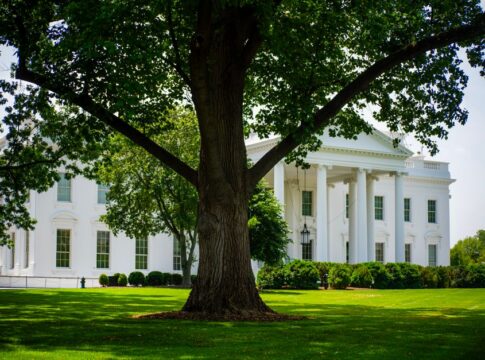
Photo: Ramaz Bluashvili / Pexels
By US Daily Tribune Newsroom, Politics Desk — Published October 20, 2026
Table of Contents
- Key Takeaways
- The Background & Context
- Why This Matters
- Reactions & Analysis
- What Happens Next
- Frequently Asked Questions
The Trump decision to waive key Russian sanctions has ignited a firestorm on Capitol Hill, drawing sharp bipartisan criticism from lawmakers who view the move as undermining years of carefully constructed penalties against Moscow. The waiver, which affects sanctions tied to Russian entities, has prompted immediate pushback from both Democratic and Republican members of Congress who had worked together to impose those restrictions in the first place.
Yet despite the vocal outrage echoing through congressional chambers, there appears to be little consensus on how—or whether—legislators can quickly counter the president’s action. The political dynamics are complicated by questions of executive authority, the mechanics of sanctions policy, and the practical challenges of mustering a veto-proof majority in an election year.
House Speaker Mike Johnson has publicly acknowledged warning the White House about potential fallout from the sanctions waiver, telling reporters he cautioned administration officials about “unintended consequences” that could ripple through U.S. foreign policy and damage America’s standing with European allies who have maintained a united front against Russian aggression. His comments underscore the delicate balance Republican leadership faces between supporting a president from their own party and addressing genuine national security concerns raised by the waiver.
Key Takeaways
- Trump’s decision to waive Russian sanctions has triggered bipartisan condemnation from members of Congress who originally supported the penalties.
- House Speaker Johnson warned the White House about “unintended consequences” from the Russia sanctions waiver before it was implemented.
- Despite widespread congressional outrage, no immediate legislative counter-measure appears likely to succeed in the near term.
- The controversy highlights ongoing tensions between executive authority over foreign policy and congressional oversight powers.
- The timing of the waiver raises questions about U.S. commitment to supporting allies and maintaining pressure on Moscow.
- Political observers note the sanctions debate could become a flashpoint issue in upcoming campaign cycles and elections.
The Background & Context
Russian sanctions have been a cornerstone of U.S. foreign policy for years, particularly following Moscow’s annexation of Crimea in 2014 and its continued military aggression against Ukraine. Congress has repeatedly passed legislation strengthening these economic penalties, often with overwhelming bipartisan support that reflected rare unity in an otherwise polarized political environment.
The sanctions regime targets Russian financial institutions, energy companies, defense contractors, and individuals close to the Kremlin. These measures were designed to impose economic costs on Moscow for its destabilizing activities, including election interference, cyberattacks, and military operations that violate international law. European allies have coordinated their own sanctions packages to present a unified Western response.
Presidential waivers of congressionally mandated sanctions are not unprecedented, but they typically require certification that such action serves U.S. national security interests. Previous administrations have used waivers sparingly, recognizing that overuse could undermine congressional intent and damage the credibility of American sanctions policy. The current waiver has reignited long-standing debates about the proper balance between executive flexibility in foreign affairs and legislative prerogatives in setting national policy.
The political landscape surrounding Russia policy has shifted dramatically over the past decade. What once seemed like a clear bipartisan consensus on confronting Moscow has fractured along complex lines that don’t always follow traditional party divisions. Some lawmakers advocate for more aggressive containment strategies, while others question whether maximum pressure serves American interests or simply drives Russia closer to strategic competitors like China.
Why This Matters
For American citizens, the sanctions debate extends far beyond Washington politics. It touches fundamental questions about how the United States exercises power on the world stage and whether economic tools can effectively counter authoritarian aggression without resorting to military force.
Sanctions waivers carry real consequences for U.S. credibility with allies. European nations that have absorbed economic pain from their own sanctions packages—including higher energy costs and lost trade—watch closely to see whether Washington will maintain consistent pressure on Moscow. Any perception that America is wavering could fracture the coalition that has kept Russia economically isolated.
Taxpayers have invested billions in military and humanitarian aid to countries threatened by Russian expansion, particularly Ukraine. If sanctions relief allows Moscow to rebuild its economic strength without meaningful policy changes, those investments may prove less effective. The waiver also raises questions about whether American companies might now gain advantages in Russian markets while allies continue bearing the burden of sanctions compliance.
The controversy illuminates broader concerns about executive power and congressional oversight. When presidents can unilaterally waive sanctions that Congress enacted with strong majorities, it raises constitutional questions about the separation of powers. Voters across the political spectrum have expressed frustration with what they perceive as unchecked executive authority, whether exercised by Democratic or Republican administrations.
Reactions & Analysis
Congressional reaction has been swift and severe, with lawmakers from both parties expressing dismay at the waiver. The bipartisan nature of the criticism is particularly striking in an era of intense partisan polarization, suggesting the decision has crossed traditional political fault lines.
Democratic members have framed the waiver as a dangerous concession to an adversary that continues to threaten American interests and democratic institutions worldwide. They point to ongoing Russian operations in Ukraine, continued cyber intrusions against U.S. targets, and Moscow’s efforts to undermine Western alliances as evidence that now is precisely the wrong time to ease economic pressure.
Republican responses have been more varied but no less pointed. While some GOP lawmakers have defended presidential prerogatives in foreign policy, others have joined Democrats in questioning the wisdom and timing of the waiver. Speaker Johnson’s warning about “unintended consequences” reflects the awkward position many Republicans find themselves in—reluctant to openly break with their party’s leader but genuinely concerned about national security implications.
Foreign policy experts outside Congress have offered mixed assessments. Some argue that sanctions have achieved diminishing returns and that strategic flexibility might open diplomatic opportunities. Others contend that weakening sanctions now sends exactly the wrong signal to Moscow and to other authoritarian regimes watching how the United States responds to aggression.
European officials have reportedly expressed private concerns about the waiver, though most have avoided public criticism that could exacerbate transatlantic tensions. The European Union has its own sanctions architecture that operates independently of U.S. measures, but coordination between Washington and Brussels has been crucial to maximizing economic pressure on Russia.
What Happens Next
Despite the intensity of congressional outrage, practical obstacles stand in the way of any quick legislative response. Overriding a presidential waiver would likely require new legislation passed by both chambers and then either signed by the president—highly unlikely given that he issued the waiver—or enacted over his veto, which demands two-thirds majorities in both the House and Senate.
Building such supermajorities on any controversial issue has become increasingly difficult in recent years. While sanctions legislation has historically attracted strong bipartisan support, the current political environment makes predicting vote counts hazardous. Some lawmakers may be reluctant to challenge executive authority on foreign policy matters, while others face pressure from constituents who question the effectiveness of sanctions or worry about their economic impact.
Congressional leaders may opt for less confrontational approaches, such as holding hearings to scrutinize the administration’s rationale for the waiver or attaching conditions to future legislation that would limit presidential discretion on sanctions policy. These measures would allow lawmakers to register their disapproval without forcing a direct constitutional confrontation.
The sanctions controversy will almost certainly feature in upcoming campaign rhetoric and elections. Candidates will face questions about their positions on Russia policy, executive authority, and America’s role in enforcing international norms. Political strategists on both sides see potential advantages in highlighting the issue, though public opinion remains divided on how aggressively the United States should confront Moscow.
International ramifications may unfold over a longer timeframe. If the waiver leads to increased economic engagement between Russian entities and Western companies, it could gradually erode the sanctions architecture that took years to construct. Alternatively, if European allies maintain their own restrictions while American policy shifts, it could create competitive disadvantages for U.S. businesses and strain the transatlantic relationship.
Frequently Asked Questions
What exactly did Trump waive in the Russian sanctions?
While specific details of the waiver have not been fully disclosed in available reports, it affects sanctions targeting Russian entities that were previously subject to congressional restrictions. The waiver allows certain activities or transactions that would otherwise be prohibited under existing sanctions law, though the precise scope and duration remain subjects of ongoing scrutiny by lawmakers and foreign policy experts.
Can Congress overturn the president’s sanctions waiver?
Congress has the constitutional authority to pass new legislation that could restrict or eliminate presidential waiver authority for specific sanctions. However, such legislation would need to pass both the House and Senate and either be signed by the president or enacted over his veto with two-thirds majorities in both chambers. Given current political dynamics, achieving the necessary votes for a veto override appears challenging in the short term.
How do sanctions waivers affect ordinary Americans?
Sanctions waivers can have indirect effects on American citizens through their impact on foreign policy effectiveness, national security, and international economic relationships. If waivers undermine U.S. credibility with allies or allow adversaries to rebuild their economic strength, it could eventually affect American security interests. Additionally, changes in sanctions policy can influence business opportunities for U.S. companies and the competitive landscape in international markets.
What did Speaker Johnson mean by “unintended consequences”?
Speaker Johnson’s warning about unintended consequences likely refers to potential diplomatic fallout with European allies who maintain their own sanctions, possible signals of weakness that could embolden Russian aggression, and the risk of undermining congressional authority over foreign policy. His comments suggest concern that the waiver could produce effects beyond its immediate scope, potentially damaging U.S. strategic interests in ways that weren’t fully anticipated by the administration.
The sanctions waiver controversy reveals deep tensions in American foreign policy that extend beyond any single administration or political party. As lawmakers continue to voice their concerns and explore potential responses, the episode serves as a reminder that questions of executive power, congressional oversight, and America’s role in the world remain as contentious as ever. How this particular chapter resolves may set important precedents for future debates about sanctions policy and presidential authority in an increasingly complex global landscape.