
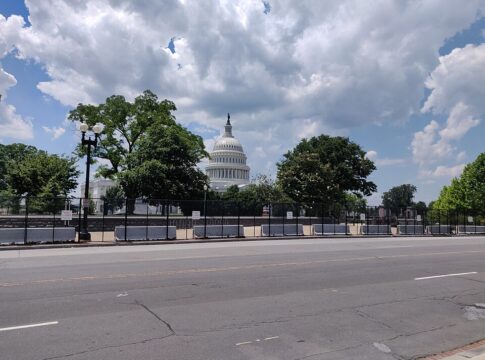
Senate Majority Leader John Thune broke ranks with President Trump over a controversial $1.8 billion compensation fund designed to pay individuals who claim they were unfairly targeted by government investigations. The Republican leader told reporters he sees no purpose for the fund and expects lawmakers to conduct a thorough review.
Settlement Shields Trump From Tax Investigations
The Anti-Weaponization Fund emerged from a deal that ended Trump’s $10 billion lawsuit against the Internal Revenue Service over leaked tax returns. The settlement includes an apology to Trump, his sons Donald Jr. and Eric, and the Trump Organization, though no direct monetary compensation. The fund’s $1.776 billion total references America’s independence year, a symbolic choice that critics have not overlooked.
A Justice Department memo filed Tuesday dramatically expanded the settlement terms. The document blocks the IRS from investigating Trump, his family members, related trusts, and businesses for any tax issues involving returns filed before the Monday agreement took effect. A department spokesperson clarified the protection applies only to existing audits, not future tax filings or investigations.
Democrats Slam Fund as Political Slush Money
Democratic lawmakers immediately condemned the fund as taxpayer-funded political payback. Senator Patty Murray of Washington accused the administration of blatant corruption, arguing ordinary Americans already struggling with high prices will finance payments to Trump’s political allies. The fund will operate through a five-member commission, with four members appointed by the Attorney General, raising concerns about political influence over compensation decisions.
Deputy Attorney General Todd Blanche defended the fund during congressional testimony, insisting anyone can apply regardless of political affiliation. Vice President JD Vance echoed this defense, specifically noting that Hunter Biden, convicted on felony gun charges in 2024, could theoretically seek compensation. Blanche acknowledged the fund’s unusual nature but maintained it operates without partisan restrictions or claim limitations.
What This Means
Thune’s public opposition represents a significant fracture within Republican leadership on Trump administration policies. The Senate leader’s promise of full vetting suggests potential congressional resistance to the fund’s implementation. Hours after the settlement announcement, Treasury Department General Counsel Brian Morrissey resigned after just seven months, though he offered no public explanation. The controversy highlights ongoing tensions over executive power, government accountability, and the use of federal resources for political purposes. Constitutional scholars and fiscal conservatives now face questions about whether such compensation mechanisms serve legitimate government interests or represent an unprecedented expansion of executive authority.
Sources
BBC: Not a big fan – Top Senate Republican breaks with Trump on $1.8bn anti-weaponization fund