
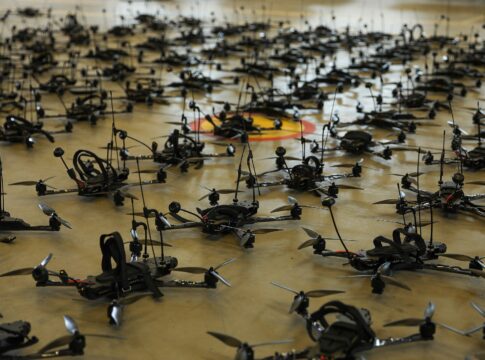
Two Georgia teenagers face multiple felony charges after authorities caught them using a drone to smuggle nearly three pounds of marijuana, cellphones, razor blades, and other contraband into a medium-security prison. The arrests highlight a growing crisis overwhelming local law enforcement as drone technology makes prison smuggling easier than ever before.
Massive Contraband Haul Seized
Washington County Sheriff’s deputies intercepted 17-year-old Mariana Torres and 19-year-old Anyela Contreas Torres during the attempted drop at a Georgia prison facility last week. Investigators recovered 2.95 pounds of marijuana, tobacco products, multiple cellphones, wireless headphones, clothing, electronics chargers, more than two dozen lighters, and rolling papers. Deputies also discovered razor blades hidden in a nearby field, with evidence linking both suspects directly to the drop location. Both were arrested without incident and now face eight separate charges including using unmanned aircraft to accomplish violations, possession of a drone during a crime, and possession of marijuana with intent to distribute.
Prison Drone Epidemic Overwhelms County Jail
Despite Georgia Governor Brian Kemp signing Senate Bill 6 in 2019 specifically prohibiting drone deliveries to correctional facilities, Washington County continues struggling with an explosion of aerial smuggling operations. Sheriff Cochran revealed his department has arrested 17 individuals for attempted drone drops since January 2025 alone. More alarming, 75 of the 170 inmates currently housed in the Washington County Jail face charges related to prison delivery operations. Cochran emphasized the financial burden on taxpayers, noting that 44 percent of his jail population consists of prisoners charged with facilitating contraband drops at the nearby state prison facility.
Technology Advances Fuel Smuggling Surge
Sheriff Cochran identified improvements in drone technology as the primary driver behind the dramatic increase in contraband smuggling attempts. Modern drones can carry substantially larger payloads than earlier models, making them more attractive to smugglers than traditional methods of sneaking items into correctional facilities. The enhanced functions and reliability of current drone technology create an easier pathway for criminals compared to older smuggling tactics that required corrupting prison staff or concealing items on visitors. The arrests demonstrate law enforcement efforts to combat this evolving threat, though the sheer volume of cases suggests the problem extends far beyond two teenagers operating a single drone in rural Georgia.