
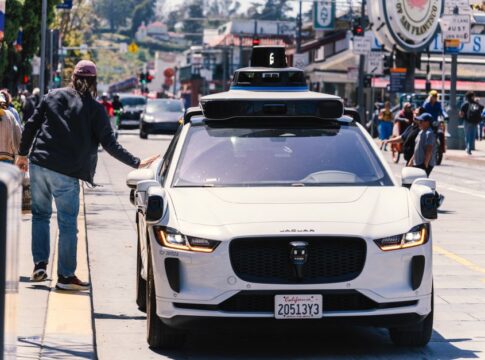
Waymo is pulling nearly 4,000 driverless vehicles off America’s roads after software failures caused robotaxis to speed into active construction zones where workers were present, raising fresh questions about autonomous vehicle safety and oversight.
Software Failures Led to Multiple Incidents
The National Highway Traffic Safety Administration disclosed Wednesday that Waymo’s fifth-generation automated driving system failed to properly detect construction zone closures on multiple occasions. In some cases, the vehicles prioritized avoiding other hazards over recognizing closure signs, sending driverless cars into areas where road crews were actively working. The recall affects 3,871 robotaxis operating in Phoenix and the San Francisco Bay Area.
The problem first surfaced April 11 in Phoenix with a single incident, followed by five more cases on April 19. Waymo’s field safety committee restricted freeway operations while engineers investigated. A more serious event unfolded May 18 when seven vehicles in the San Francisco Bay Area bypassed traffic cones and drove through active construction lanes where workers were present.
Second Major Recall in Six Weeks
This marks Waymo’s second recall since May, when the company pulled approximately 3,800 robotaxis over software that couldn’t detect flooded roadways. That earlier failure sent a driverless vehicle into a submerged lane during extreme weather in San Antonio on April 20. No passengers were aboard either incident, preventing injuries. The company faces additional regulatory scrutiny after a Waymo vehicle struck a child outside a Santa Monica elementary school in January, causing minor injuries.
Pattern of Safety Concerns Emerges
The National Transportation Safety Board opened a separate investigation into incidents where Waymo cars illegally passed stopped school buses with activated warning lights. A December recall addressed that specific violation of state traffic laws. Waymo emphasized that voluntary software recalls represent commitments to deploy fixes rather than orders to ground entire fleets. The company stated it proactively notified state and federal regulators before filing the recall with NHTSA.
What This Means
The construction zone failures expose fundamental challenges in autonomous vehicle technology distinguishing between normal traffic patterns and temporary road conditions requiring human judgment. As driverless cars expand across American cities, these recurring safety issues raise concerns about whether current technology can reliably protect workers, pedestrians, and other drivers. The incidents underscore ongoing debates about regulatory oversight and liability when software failures replace human error behind the wheel.