
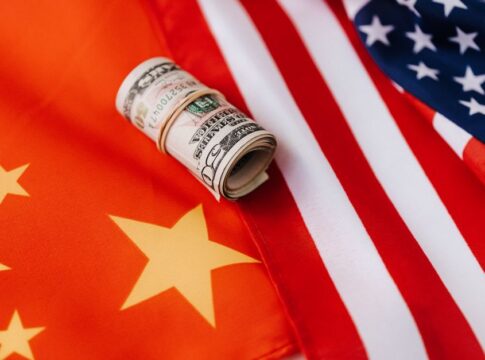
How Trade Wars Affect Consumer Prices
Trade wars represent one of the most significant disruptions to global commerce, creating ripple effects that extend far beyond diplomatic tensions between nations. When countries impose tariffs and trade restrictions on one another, the consequences inevitably reach consumers’ wallets through various mechanisms that influence pricing across multiple sectors of the economy. Understanding how these economic conflicts translate into everyday costs is essential for comprehending the broader implications of protectionist policies.
The Mechanics of Trade Wars
A trade war typically begins when one nation imposes tariffs or quotas on imports from another country, often citing concerns about unfair trade practices, national security, or domestic industry protection. The targeted nation usually retaliates with its own set of tariffs, creating an escalating cycle of trade restrictions. These barriers to free trade fundamentally alter the cost structure of international commerce, and those costs are frequently passed along to consumers in the form of higher prices.
Tariffs function as a tax on imported goods, directly increasing the cost that importers must pay to bring products into the country. While governments collect this revenue, businesses face a critical decision: absorb the additional costs and accept lower profit margins, or pass them on to consumers through price increases. In most cases, particularly for competitively priced goods, businesses opt for the latter option to maintain profitability.
Direct Impact on Consumer Prices
The most immediate effect of trade wars on consumer prices occurs with products directly subject to tariffs. When tariffs are imposed on imported goods, retailers and wholesalers typically increase prices to offset their higher acquisition costs. This direct pass-through effect is particularly noticeable in sectors heavily dependent on imports.
Categories Most Affected
- Electronics and technology products, which often rely on international supply chains and components
- Clothing and footwear manufactured in countries subject to tariffs
- Automobiles and automotive parts sourced from abroad
- Household appliances and furniture imported from targeted nations
- Agricultural products when retaliatory tariffs affect domestic exports
Consumer electronics provide a clear example of direct price impacts. When tariffs are imposed on imported smartphones, computers, or televisions, manufacturers and retailers face higher costs that typically result in price increases ranging from modest adjustments to significant premiums, depending on the tariff rate and competitive landscape.
Indirect Effects on Pricing
Beyond the obvious direct impacts, trade wars create numerous indirect effects on consumer prices that are less visible but equally consequential. Supply chain disruptions force companies to seek alternative suppliers, often at higher costs or with reduced efficiency. The expense of restructuring supply chains, finding new vendors, and potentially accepting lower-quality inputs all contribute to upward pressure on prices.
Input costs represent another critical indirect pathway. Many domestically produced goods rely on imported components or raw materials. When tariffs increase the cost of these inputs, the final products become more expensive to manufacture, even if they are produced domestically. For instance, tariffs on steel and aluminum affect not only imported metal products but also domestic manufacturers of automobiles, appliances, and construction materials that use these metals.
Currency Fluctuations
Trade wars often trigger currency market volatility, which can amplify or moderate price effects. When a trade war weakens a country’s currency, imports become more expensive regardless of tariff levels. Conversely, a strengthening currency might partially offset tariff-induced price increases. These currency dynamics add complexity to predicting ultimate consumer price impacts.
Market Competition and Price Dynamics
Trade wars alter competitive landscapes in ways that influence pricing power. When tariffs reduce foreign competition, domestic producers may gain increased pricing power, potentially raising prices beyond what tariffs alone would justify. This reduced competitive pressure can lead to higher prices across entire product categories, even for goods not directly subject to tariffs.
However, competition dynamics can sometimes work in consumers’ favor. Countries not subject to tariffs may increase exports to fill market gaps, potentially moderating price increases. Additionally, some foreign manufacturers might lower their pre-tariff prices to remain competitive, absorbing part of the tariff burden themselves.
Sectoral Variations in Impact
Different economic sectors experience varying degrees of price impact during trade wars. Industries with limited domestic production capacity or specialized foreign suppliers face more significant price pressures. Conversely, sectors with robust domestic alternatives or diversified international supply chains may weather trade wars with minimal price disruption.
Agricultural markets demonstrate unique vulnerabilities to trade wars. Retaliatory tariffs on agricultural exports can depress domestic commodity prices, affecting farmers’ incomes while simultaneously raising consumer prices for imported food products. This creates a paradoxical situation where producers and consumers both face economic hardship.
Long-Term Price Implications
While initial tariff implementations create immediate price shocks, long-term effects depend on market adaptations and policy duration. Prolonged trade wars encourage investment in domestic production capacity, which may eventually reduce prices as local industries scale up. However, this transition period can be lengthy and expensive, with consumers bearing higher costs throughout.
Research indicates that trade wars can also reduce overall economic efficiency, leading to permanently higher price levels for certain goods. When production shifts from the most efficient global suppliers to less efficient domestic or alternative foreign producers, the economy experiences deadweight loss that manifests as structurally higher prices.
Consumer Strategies and Market Responses
Consumers often respond to trade war-induced price increases by adjusting purchasing behavior, seeking substitutes, or delaying purchases. These demand shifts can partially moderate price increases, as retailers compete for price-sensitive consumers. However, for essential goods with limited substitutes, consumers have little choice but to accept higher prices.
Conclusion
Trade wars exert substantial influence on consumer prices through both direct tariff effects and complex indirect mechanisms involving supply chains, competition, and market structure. While the specific impact varies by product category and market conditions, consumers generally face higher prices as a consequence of protectionist trade policies. Understanding these dynamics is crucial for policymakers weighing the costs and benefits of trade restrictions and for consumers navigating an increasingly complex global marketplace. The ultimate price tag of trade wars extends well beyond government tariff revenues, reaching into household budgets and affecting purchasing power across the economy.