
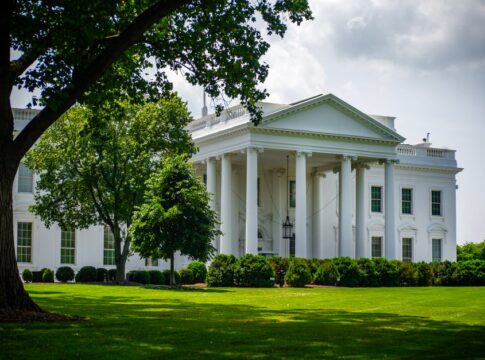
Photo: Ramaz Bluashvili / Pexels
By US Daily Tribune Newsroom, Politics Desk — Published September 23, 2026
Table of Contents
- Key Takeaways
- The Background & Context
- Why This Matters
- Reactions & Analysis
- What Happens Next
- Frequently Asked Questions
President Trump took center stage at the United Nations, delivering a characteristically bold address that drew a sharp line between his administration’s approach to global challenges and those of his predecessors. With tensions mounting over Iran and broader questions about America’s role on the world stage, the president used the international forum to declare his willingness to act decisively where others have merely debated. The speech came at a critical juncture in U.S. foreign policy, as lawmakers in Congress and voters ahead of the next election cycle weigh the costs and consequences of American engagement abroad.
The address underscored a recurring theme of Trump’s political brand: action over rhetoric. According to reports from the event, the president framed a stark choice regarding Iran—pursue diplomacy toward a deal, or face the prospect of military annihilation. Such language, delivered on the floor of the United Nations, signals not just a foreign policy posture but a campaign message to domestic audiences tired of protracted conflicts and indecisive leadership. For American taxpayers who have funded decades of Middle Eastern entanglements, the question becomes whether this approach represents prudent strength or reckless brinkmanship.
The United Nations speech represents more than diplomatic theater. It reflects the broader collision between traditional multilateral institutions and the “America First” doctrine that has defined this administration’s politics. As legislation on military authorization and foreign aid winds through Congress, the president’s words at the UN carry weight far beyond New York—they shape how allies and adversaries alike calculate American resolve.
Key Takeaways
- President Trump addressed the United Nations with a message emphasizing action over discussion, contrasting his approach with previous administrations.
- The speech included pointed warnings to Iran, presenting a binary choice between negotiating a deal or facing potential military annihilation.
- Trump’s remarks reflected his broader political strategy of projecting strength and decisiveness, themes central to his campaign messaging.
- The address comes amid ongoing congressional debates over foreign policy authorization and America’s role in international institutions.
- The speech highlights tensions between multilateral diplomacy traditions and the administration’s nationalist approach to global affairs.
- Domestic political implications loom large as voters evaluate the president’s handling of international crises ahead of future elections.
The Background & Context
The United Nations has long served as a stage where American presidents attempt to balance global leadership with domestic political imperatives. Trump’s appearance at the international body continues a complicated relationship between his administration and multilateral institutions. Throughout his time in office, the president has oscillated between skepticism of international organizations and strategic use of their platforms to amplify his message.
Iran has remained a central flashpoint. The unraveling of the nuclear agreement negotiated under the Obama administration set the stage for escalating tensions. Economic sanctions, proxy conflicts across the Middle East, and periodic military confrontations have kept the relationship volatile. For Congress, this creates thorny questions about war powers and authorization—issues that transcend party politics when American service members’ lives hang in the balance.
The phrase “while others have talked, I have acted” encapsulates a political narrative the president has cultivated since his campaign days. It positions him as the antithesis of career politicians who, in his framing, produce endless debate but few results. Whether discussing trade deals, border security, or foreign conflicts, this rhetorical device has proven effective with voters frustrated by Washington gridlock and perceived weakness abroad.
The United Nations itself represents an institution many Americans view with ambivalence. Founded in the aftermath of World War II to prevent future global conflicts, the UN has evolved into a sprawling bureaucracy that critics argue constrains American sovereignty while supporters see as essential for coordinating international responses to shared challenges. Trump’s approach—using the platform while openly questioning its value—reflects this public ambivalence.
Why This Matters
For ordinary Americans, presidential rhetoric at the United Nations translates into real-world consequences. Military threats carry the potential for deployment of U.S. forces, with all the human and financial costs that entails. Families with service members watch these speeches knowing that words can quickly become orders. The defense budget, already consuming hundreds of billions annually, grows when conflicts escalate.
Economic implications ripple through energy markets and trade relationships. Iran sits on crucial oil reserves and shipping lanes. Any military action would likely spike fuel prices at American gas pumps, affecting everything from commuting costs to grocery prices. Businesses dependent on stable international commerce face uncertainty when saber-rattling intensifies.
The political stakes extend to congressional elections and presidential campaigns. Voters consistently rank foreign policy and national security among their top concerns, though priorities shift with circumstances. A president who projects strength may win support from those valuing decisive leadership, while others worry about unnecessary wars and diplomatic isolation. Legislation authorizing military force or imposing sanctions must navigate these competing pressures.
The speech also matters for America’s standing among allies and adversaries. When a U.S. president speaks at the UN, the world listens and calculates. Allies wonder whether American commitments remain reliable. Adversaries test boundaries and gauge resolve. The gap between rhetoric and action shapes international perceptions of American power and willingness to use it.
For communities across the United States, these global dynamics feel distant until they suddenly don’t. Defense contractors and military bases anchor local economies in many states. Veterans and their families understand the lasting costs of conflict. Even citizens far removed from defense industries feel the effects through taxes, trade, and the broader question of what role America should play in an interconnected world.
Reactions & Analysis
The president’s stark framing regarding Iran—deal or annihilation—drew immediate attention for its uncompromising tone. Such language represents either a negotiating tactic designed to pressure adversaries or a genuine preview of military planning. Analysts debate which interpretation holds more truth, but the ambiguity itself serves a strategic purpose, keeping opponents uncertain about American intentions.
Within American politics, reactions split along predictable lines. Supporters praise the president for refusing to telegraph weakness or engage in what they view as naive diplomacy. Critics warn that ultimatums eliminate diplomatic flexibility and risk stumbling into conflicts that serve no vital American interest. These divisions play out not just in campaign rhetoric but in congressional debates over war powers and foreign policy legislation.
International responses varied by nation and interest. Traditional allies in Europe and Asia must balance their own relationships with Iran against their security partnerships with the United States. Regional players in the Middle East calculate how American threats might reshape local power dynamics. Iran itself faces domestic pressures as its leadership decides whether to view Trump’s words as bluster or genuine warning.
The emphasis on action versus talk resonates with a segment of the American electorate frustrated by perceived government ineffectiveness. Whether discussing infrastructure, healthcare, or foreign policy, voters increasingly demand results over process. Trump’s framing taps into this sentiment, positioning himself as the leader who delivers rather than deliberates endlessly.
What Happens Next
The immediate future depends partly on Iranian responses and partly on domestic American politics. If Tehran interprets the threats as credible, it might seek diplomatic channels to avoid confrontation—or it might escalate through proxies and asymmetric tactics. U.S. intelligence agencies and military planners must prepare for multiple scenarios, each carrying different costs and risks.
Congress faces renewed pressure to clarify its role in authorizing military action. Lawmakers from both parties have expressed concern about executive overreach in committing forces without proper legislative approval. Any escalation with Iran would likely trigger intense debate about war powers, potentially forcing votes that put members on record regarding military intervention.
Campaign implications will unfold over coming months. Presidential rhetoric becomes campaign material, analyzed for what it reveals about judgment, temperament, and priorities. Opponents will use the UN speech to argue either that the president recklessly courts war or that he lacks credibility because threats remain unfulfilled. Supporters will cite it as evidence of strength and resolve.
International institutions like the United Nations must navigate their own relevance in this environment. If major powers increasingly bypass multilateral frameworks in favor of unilateral action, the postwar international order faces fundamental questions about its continued utility. Smaller nations watch carefully, knowing their security often depends on whether rules-based systems or raw power politics prevail.
For American foreign policy, the speech represents another data point in an ongoing experiment. The Trump approach—transactional, unpredictable, willing to abandon traditional norms—either succeeds in advancing U.S. interests or creates new problems that future administrations must address. History’s judgment awaits, but present-day consequences accumulate regardless.
Frequently Asked Questions
What did President Trump specifically say about Iran at the United Nations?
According to reports from the speech, President Trump presented Iran with what he characterized as a “big decision”—either negotiate a deal with the United States or face the possibility of annihilation. This stark framing represented an ultimatum designed to pressure Iranian leadership while signaling American willingness to use military force if diplomacy fails.
Why does the United Nations speech matter for domestic U.S. politics?
Presidential addresses at international forums like the UN carry significant domestic political weight. They shape public perception of the administration’s foreign policy competence, influence congressional debates over military authorization and funding, and become campaign material that candidates use to demonstrate their approach to national security. Voters evaluate these speeches when deciding whether leadership projects appropriate strength or recklessness.
How does Congress factor into decisions about military action against Iran?
The Constitution grants Congress the power to declare war, though modern presidents have often committed forces without formal declarations. Lawmakers from both parties have debated war powers legislation that would require explicit congressional approval for military action against Iran. Any escalation would likely trigger intense legislative debate about proper authorization and oversight of executive military decisions.
What are the potential consequences for ordinary Americans if tensions with Iran escalate?
Military conflict with Iran could affect Americans through multiple channels: deployment of service members with associated casualties and costs, spikes in oil and gas prices due to disrupted Middle Eastern energy supplies, increased defense spending funded by taxpayer dollars, and broader economic uncertainty that affects jobs and investments. Even short of war, sustained tensions create market volatility and complicate international trade relationships.
As the president’s words echo beyond the United Nations chamber, their true impact remains to be written. Speeches become policy, policy becomes action, and action shapes the world Americans will inhabit for years to come. Whether Trump’s emphasis on decisive action over prolonged discussion serves the national interest depends on execution, circumstances, and the countless variables that determine whether bold rhetoric translates into wise strategy. For now, the world watches and waits to see which path emerges from the crossroads.
Sources
- The White House (.gov)
- Welcome to the United Nations
- ABC News – Breaking News, Latest News and Videos