
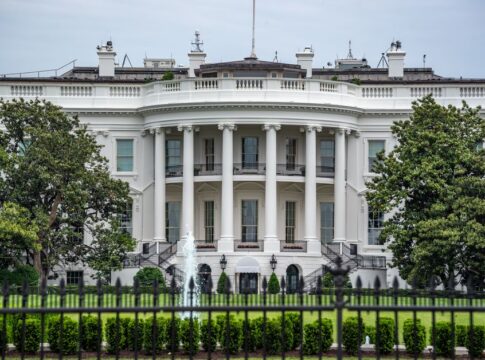
Photo: Dominik Gryzbon / Pexels
By US Daily Tribune Newsroom, Politics Desk — Published September 24, 2026
Table of Contents
- Key Takeaways
- The Background & Context
- Why This Matters
- Reactions & Analysis
- What Happens Next
- Frequently Asked Questions
A federal judge has ordered the Trump White House to restore press credentials and access for three major news organizations, marking a significant development in the ongoing tension between the administration and the media. The ruling affects POLITICO, CNN, and MS NOW, all of which had their access revoked in recent days. This decision arrives at a critical moment in American politics, when press freedom and government accountability remain flashpoints in debates over democratic norms and the public’s right to information.
The court order represents a rare judicial intervention into White House press operations. It underscores the delicate balance between executive authority and constitutional protections for journalism. For millions of Americans who rely on independent reporting to understand their government’s actions, the ruling carries immediate implications for transparency in campaign coverage, legislative developments, and executive decision-making.
The case highlights broader questions about access to elected officials and the role of the press in holding power accountable. As Congress continues its work on various legislation and the political landscape shifts ahead of upcoming elections, the ability of reporters to question officials and gather information directly affects the quality of civic discourse nationwide.
Key Takeaways
- A federal judge ordered the Trump White House to restore press access for three news outlets: POLITICO, CNN, and MS NOW.
- The ruling represents a judicial check on executive branch authority over press credentials and White House access.
- Multiple news organizations reported on the decision, indicating its significance across the media landscape.
- The case raises fundamental questions about First Amendment protections and government transparency.
- The decision affects how reporters can cover the administration, Congress, and ongoing political developments.
- The restoration of access comes as major policy debates and campaign activities intensify across Washington.
The Background & Context
White House press credentials have long been a point of contention between administrations and news organizations. These passes grant journalists access to the White House grounds, press briefings, and opportunities to question officials directly. The system operates under guidelines that balance security concerns with the public interest in maintaining a free and vigorous press.
Historically, revocations of press credentials have been rare and typically tied to security violations or misconduct. When access is denied based on editorial content or perceived unfavorable coverage, courts have generally viewed such actions with skepticism. The First Amendment’s protection of press freedom creates a high bar for government officials seeking to exclude reporters from public spaces and events.
The three organizations affected by the recent revocations—POLITICO, CNN, and MS NOW—represent different segments of the news ecosystem. POLITICO specializes in political journalism and has become essential reading for those following Congress, campaigns, and policy debates. CNN operates as a major cable news network with extensive resources for covering breaking news and political developments. MS NOW serves its own audience with coverage of current events and political affairs.
Press access to the White House serves multiple democratic functions. It allows reporters to ask unscripted questions, observe official activities, and gather information that might not appear in prepared statements. This direct access helps the public understand how decisions are made, who influences policy, and whether officials are being truthful in their public pronouncements. Without it, accountability suffers.
Why This Matters
The judge’s decision to restore access carries profound implications for American democracy and the public’s ability to stay informed about their government. When news organizations lose access to official spaces, their capacity to report on policy decisions, legislative actions, and executive conduct diminishes. Citizens depend on this reporting to make informed choices about elections, to understand how their tax dollars are spent, and to hold their representatives accountable.
For voters navigating complex political landscapes, independent journalism serves as a critical tool. Campaign promises must be fact-checked. Legislative proposals require scrutiny. Executive actions demand explanation. Without reporters present to ask tough questions and investigate claims, the public operates at an information deficit that undermines self-governance.
The timing of the ruling matters particularly now. With Congress addressing major legislation on multiple fronts and political campaigns ramping up for upcoming elections, the flow of reliable information becomes even more essential. Reporters need access to ask questions about policy details, implementation challenges, and the real-world effects of government decisions on communities across the country.
Beyond the immediate parties involved, the case sends signals to other administrations and officials at all levels of government. If executive branch officials can arbitrarily revoke press access without judicial oversight, the precedent threatens to chill aggressive reporting and create a more compliant press corps. The judge’s intervention helps maintain the independence that makes journalism effective as a check on power.
American taxpayers fund the White House and its operations. They employ the officials who work there. They deserve to know what those officials are doing, saying, and planning. Press access serves as a proxy for public access, allowing citizens to peer into spaces they cannot physically occupy themselves. When that access is restricted without legitimate justification, it breaks a fundamental compact between government and governed.
Reactions & Analysis
The court ruling has prompted responses from various quarters of the political and media worlds. News organizations beyond those directly affected have watched the case closely, recognizing that precedents set here could affect their own ability to report on government activities. Press freedom advocates view the decision as an important affirmation of constitutional protections, while some administration supporters may see it as judicial overreach into executive prerogatives.
Legal experts note that courts have historically been protective of press access to government proceedings and officials. The Supreme Court has recognized that the First Amendment creates a qualified right for journalists to gather news, though the exact contours of that right remain subject to ongoing interpretation. This case adds another data point to that evolving body of law.
From a practical standpoint, the restoration of credentials allows reporters to resume their coverage without the handicap of being excluded from official spaces. They can attend briefings, stake out officials for questions, and maintain the physical presence that often leads to unexpected stories and accountability moments. This access proves particularly valuable during fast-moving political developments when prepared statements may not tell the whole story.
The decision also reflects broader debates about institutional norms and their durability. Unwritten rules about press access have generally held across administrations of both parties, with rare exceptions. When those norms break down, courts may step in to enforce legal standards. The pattern suggests that some democratic protections require judicial backstopping rather than relying solely on political goodwill.
What Happens Next
The immediate effect of the ruling is straightforward: POLITICO, CNN, and MS NOW regain their ability to cover the White House from inside its grounds. Reporters from these organizations can return to the press briefing room, submit questions for official events, and maintain the physical presence that facilitates news gathering. This restoration allows them to compete on equal footing with other outlets that retained their access.
Longer-term implications remain less certain. The administration could appeal the decision, potentially taking the case to higher courts if it believes the judge erred in ordering access restored. Such appeals can take months or years to resolve, though the immediate order likely remains in effect during that process unless stayed by an appellate court.
The case may also influence how future administrations approach press relations and credential decisions. Knowing that courts will scrutinize access revocations could make officials more cautious about excluding reporters, even those whose coverage they find unfavorable. This judicial oversight serves as a check on executive power that might otherwise be exercised without meaningful restraint.
For the news organizations involved, the episode likely reinforces their commitment to aggressive reporting regardless of official displeasure. Backing down in the face of access threats would set a dangerous precedent, encouraging officials to use credentials as leverage over coverage. By fighting the revocations in court and winning, these outlets demonstrate that legal protections for press freedom have teeth.
The broader media landscape will watch for any additional attempts to restrict access or retaliate against unfavorable coverage. Each such incident tests the boundaries of acceptable government conduct and the willingness of courts to enforce constitutional limits. The accumulation of these cases shapes the practical reality of press freedom in America, beyond abstract legal principles.
Frequently Asked Questions
What does this ruling mean for press freedom?
The decision reinforces the principle that government officials cannot arbitrarily exclude news organizations from covering public institutions based on editorial content or perceived bias. It affirms that courts will intervene when access revocations appear to violate First Amendment protections, providing a check on executive power over the press.
Can the White House ever revoke press credentials?
Yes, but only for legitimate reasons such as security violations, misconduct, or space limitations applied neutrally. Courts have recognized that the White House has some authority to manage its press operations, but that authority is not unlimited. Revocations based on the content of coverage or retaliation for unfavorable reporting face strict judicial scrutiny.
How does this affect coverage of Congress and campaigns?
While this case specifically addresses White House access, it sets a precedent that may influence how other government institutions handle press credentials. Reporters with restored access can better cover interactions between the White House and Congress, track legislative responses to executive actions, and provide comprehensive campaign coverage that includes all relevant political actors.
What happens if the administration ignores the court order?
Defying a federal court order could result in contempt proceedings, with potential penalties including fines or other sanctions. In practice, administrations typically comply with judicial rulings even when they disagree, recognizing that the rule of law depends on respect for court decisions. Continued defiance would likely trigger additional legal action and escalating consequences.
This judicial intervention reminds Americans that democratic institutions include mechanisms for self-correction when norms break down. Courts serve as referees when disputes over fundamental rights reach an impasse. For now, three news organizations can resume their work, and the public can benefit from their reporting. The case will likely be studied by future administrations, journalists, and citizens trying to understand where the boundaries of press freedom truly lie in practice, not just in theory.