
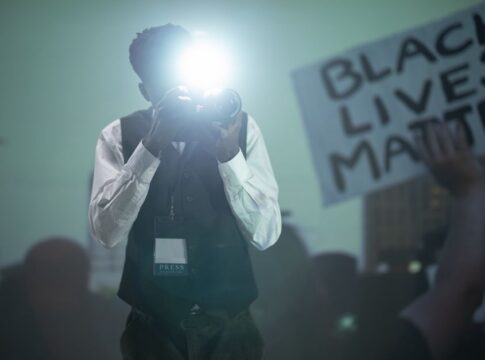
Photo: cottonbro studio / Pexels
By US Daily Tribune Newsroom, Politics Desk — Published October 14, 2026
Table of Contents
- Key Takeaways on Judge Extends Media Access Ruling
- The Background & Context
- Why This Matters
- Reactions & Analysis
- What Happens Next
- Frequently Asked Questions
A federal judge has intervened to temporarily restore White House press credentials for several major news organizations, marking a significant development in an escalating confrontation between the executive branch and the media. The ruling extends access for CNN, MS Now, and Politico after these outlets found themselves barred from the White House press room. The decision comes as tensions between the administration and journalists covering politics reach a new flashpoint, raising fundamental questions about press freedom and government accountability.
The judge’s order provides a temporary reprieve while the legal battle continues. For reporters covering Congress, campaign developments, and daily White House briefings, the ruling preserves their ability to question officials and report on legislative priorities. The case has drawn attention from First Amendment advocates and media organizations nationwide, who view the dispute as a test of whether an administration can selectively exclude journalists whose coverage it finds unfavorable.
This isn’t simply an inside-the-Beltway media spat. When news organizations lose access to the seat of executive power, the public loses a critical window into how their government operates, how policies are made, and how taxpayer dollars are spent.
Key Takeaways on Judge Extends Media Access Ruling
- A federal judge has extended White House press access for CNN, MS Now, and Politico during ongoing legal proceedings over their credentials.
- The ruling temporarily restores access that had been revoked or denied to these major news outlets covering politics and government.
- The case represents a significant clash between executive authority and press freedom, with implications for how administrations interact with media.
- The legal fight continues even as the temporary access extension allows reporters to cover White House events, briefings, and presidential activities.
- First Amendment advocates view the case as critical to establishing limits on government power to exclude journalists based on coverage content.
- The decision affects not only the named outlets but sets precedent for how future administrations might handle media relations and press credentials.
The Background & Context
White House press credentials have long been a subject of tension between administrations and journalists. The hard pass system grants reporters regular access to the White House complex, allowing them to attend briefings, ask questions of officials, and report from inside the building. These credentials are not merely ceremonial. They represent the practical mechanism by which the press fulfills its constitutional role as a check on government power.
The current dispute erupted when the three news organizations found their access restricted or revoked. While the specific reasons cited by the White House have not been detailed in available reports, such actions typically stem from disagreements over coverage, questions posed during briefings, or broader tensions between an administration and particular outlets. CNN has faced periodic conflicts with various administrations over the years. Politico, known for its granular coverage of politics and legislation, regularly publishes stories that officials find uncomfortable. MS Now represents newer digital media voices in the White House press corps.
The legal framework surrounding press credentials remains somewhat murky. Courts have generally held that while the government has some discretion in managing access to its facilities, it cannot revoke credentials in an arbitrary or content-based manner that violates First Amendment protections. Previous cases have established that once a press pass system exists, the government must apply clear standards and provide due process before excluding journalists.
This case arrives during a particularly contentious period in American politics. With elections approaching and major legislative battles underway in Congress, the stakes for comprehensive campaign coverage and government accountability reporting are exceptionally high. When major news organizations lose access, the public’s ability to understand policy debates, budget negotiations, and executive decision-making suffers accordingly.
Why This Matters
The implications extend far beyond the three news organizations directly involved. Every American relies on the press to monitor government activities, investigate wrongdoing, and report on how public servants perform their duties. When an administration can selectively exclude journalists, it gains dangerous leverage to shape coverage by implicitly threatening other reporters with similar treatment.
Consider the practical impact. White House briefings serve as a primary venue for journalists to question the press secretary and other officials about policy decisions, legislative proposals, and executive actions. Reporters excluded from these events cannot ask follow-up questions, cannot observe body language and tone, and cannot engage in the spontaneous exchanges that often produce the most revealing moments. They’re relegated to watching from outside, dependent on secondhand accounts and official statements.
The precedent matters enormously. If this administration succeeds in permanently revoking credentials from outlets whose coverage it dislikes, future administrations of both parties will feel emboldened to do the same. The result would be a press corps increasingly composed of journalists afraid to ask tough questions or publish unflattering stories, knowing their access hangs in the balance. That’s not journalism. That’s stenography.
For voters and taxpayers, the consequences are direct. How can citizens make informed decisions about candidates and campaigns if journalists covering those campaigns face retaliation for critical reporting? How can Congress exercise effective oversight if reporters cannot question executive branch officials about implementation of legislation? How can the public hold their government accountable if the administration controls which journalists can observe and report on its activities?
The judge’s decision to extend access recognizes these concerns. By maintaining the status quo during litigation, the court preserves the public’s interest in robust coverage while the legal questions receive full consideration. It’s a reminder that judicial independence serves as a crucial check when other branches overreach.
Reactions & Analysis
The ruling has generated significant attention among media law experts, journalism organizations, and political observers. While specific reactions from the involved parties have not been detailed in available reports, the broader context suggests intense interest across multiple constituencies.
News organizations beyond those directly affected are watching closely. The White House Correspondents’ Association, which represents journalists covering the presidency, has historically defended press access rights regardless of which administration holds power or which outlet faces exclusion. The principle at stake transcends partisan politics or individual news organizations’ editorial perspectives.
First Amendment scholars view cases like this as fundamental tests of constitutional protections. The Supreme Court has long recognized that freedom of the press means little if government officials can punish journalists for unfavorable coverage by denying them access to information and events. Yet the boundaries of this principle remain contested, particularly regarding government property and credential systems.
Political figures have likely divided along predictable lines, with administration allies defending its prerogatives to manage White House access and opponents citing press freedom concerns. Members of Congress who rely on aggressive journalism to expose executive branch activities have particular reason to support broad media access, regardless of their personal relationships with specific outlets.
The public reaction reflects broader polarization around media institutions. Some Americans view establishment news organizations with deep skepticism and may support efforts to limit their access. Others see any restriction on press credentials as a dangerous step toward authoritarian control of information. These divergent perspectives make the judicial role in establishing clear, content-neutral standards all the more critical.
What Happens Next
The extended access remains temporary, tied to the ongoing legal proceedings. The affected news organizations will likely argue that credential revocation violates their First Amendment rights and fails to meet due process standards. The administration will presumably defend its authority to manage White House access and set standards for journalist behavior and credentialing.
The litigation could take months or even years to fully resolve, potentially reaching appellate courts or even the Supreme Court if the legal questions prove sufficiently novel or contentious. During that time, the temporary extension allows the affected outlets to continue their coverage, though the uncertainty may still create a chilling effect on aggressive questioning and reporting.
Regardless of the ultimate outcome, this case will influence how future administrations approach media relations. A ruling that gives government broad discretion to revoke credentials could fundamentally reshape White House coverage, encouraging caution among journalists and reducing the diversity of voices and perspectives in the press corps. Conversely, a strong affirmation of press access rights could constrain executive efforts to manage coverage through credential manipulation.
The case also arrives as broader questions about media, politics, and information flow remain unresolved. The rise of digital outlets, changes in how Americans consume news, and intense polarization around media institutions have all complicated traditional relationships between government and press. Courts will need to apply decades-old constitutional principles to a dramatically transformed media landscape.
For the journalists involved, the fight continues. They’ll keep reporting while the legal battle proceeds, knowing their access could end if the courts ultimately rule against them. For their audiences, the hope is that judicial protection of press freedom will prevail over executive efforts to control coverage through access restrictions.
Frequently Asked Questions
Why does White House press access matter to ordinary Americans?
White House press access directly affects the public’s ability to stay informed about government activities, policy decisions, and how taxpayer money is spent. When journalists can question officials and report from inside the White House, citizens receive more comprehensive coverage of the executive branch. Restricted access means less accountability and fewer opportunities for the public to understand what their government is doing in their name.
Can the White House legally revoke press credentials?
The legal standards remain somewhat unclear, but courts have generally held that while the government has some authority to manage access to its facilities, it cannot revoke credentials arbitrarily or based on the content of a journalist’s coverage. The government must provide clear standards and due process. This case will help clarify the boundaries of executive authority over press credentials versus First Amendment protections for journalists.
What organizations are affected by this ruling?
The judge’s order specifically extends White House access for CNN, MS Now, and Politico. These three news organizations had their credentials restricted or revoked before the court intervened. The ruling allows them to continue covering the White House during the ongoing legal proceedings over whether the credential actions were lawful.
How long will the extended access last?
The extended access is temporary, tied to the ongoing litigation. The duration depends on how long the legal case takes to resolve, which could range from months to potentially years if appeals follow the initial ruling. The court’s decision to extend access maintains the status quo while the constitutional and legal questions receive full consideration through the judicial process.
As this legal battle unfolds, it will test fundamental principles about government transparency, press freedom, and public accountability. The outcome will shape not only how this administration interacts with journalists but how future presidents approach media relations for years to come. For now, the judge’s intervention ensures that reporters can continue asking tough questions and providing the coverage that democracy requires.