
A Canadian grandfather who lived legally in the United States for 21 years lost his green card and was deported to Canada after a tax-related fraud conviction, despite repaying two-thirds of his debt through an approved payment plan before his arrest.
Tax Debt Classified As Aggravated Felony
Douglas Dixon operated a Tropical Smoothie Cafe that closed during the COVID-19 pandemic, leaving him with over $30,000 in tax debt. He entered a no-contest plea to tax evasion and established a repayment plan with the authorities. By the time Immigration and Customs Enforcement arrested him at a scheduled meeting, Dixon had paid back approximately $20,000. He was unaware that tax-related convictions exceeding $10,000 qualify as an aggravated felony under U.S. immigration law, automatically triggering deportation proceedings for green card holders.
A Department of Homeland Security spokesperson confirmed that an immigration judge issued a final removal order on March 31, and Dixon was deported on April 15. The statement emphasized that green card status is a privilege that can be revoked for criminal convictions. The DHS classified Dixon as a criminal, an illegal alien from Canada convicted of fraud.
Detention Conditions Spark Controversy
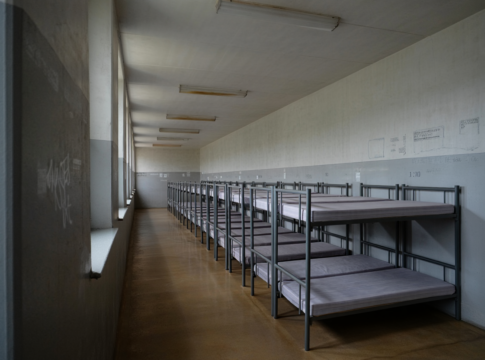
Following his arrest, Dixon was held at a large-scale immigration detention center in the Florida Everglades, a facility facing increased scrutiny over conditions. Dixon described his nine-day detention as marked by despair, alleging he was housed in a crowded unit of 32 people where only three spoke English. He claimed the water was dirty and developed a urinary tract infection he attributed to facility conditions. Dixon questioned being shackled during medical visits and said he expected murderers and gang members, but encountered regular people with jobs and families.
Policy Implications For Legal Residents
Dixon’s case highlights how lawful permanent residents remain vulnerable to deportation for non-violent financial crimes under the aggravated felony designation. As the Trump administration expands immigration enforcement, legal residents face removal even while repaying debts through authorized plans. Dixon now lives with his sister and her family in Montreal. His deportation could intensify debates over whether tax offenses should carry the same immigration consequences as violent crimes, particularly when debt repayment is in progress.