
A South Florida man detained by Immigration and Customs Enforcement for nearly five months after a routine check-in has revealed troubling conditions inside a controversial detention facility nicknamed ‘Alligator Alcatraz,’ raising questions about treatment of detainees and constitutional protections.
Detained After Routine Immigration Check-In
Maikel Rojas, 45, appeared for his court-mandated annual check-in at the Miramar immigration office in October. Instead of returning home as expected, ICE took him into custody and transferred him to the remote detention site. Rojas remained detained until March, when his wife Roxana Torres received an unexpected phone call announcing his transfer to Krome Detention Center for release. Torres had been protesting outside the facility with other families when she learned her husband would finally come home.
Overcrowded and Unsanitary Conditions Reported
Rojas described conditions he characterized as inhumane during his detention. He reported that detainees could not receive visits from family members and faced limited access to legal representation. Thirty-two people shared just three toilets with cameras positioned over them, eliminating privacy. He alleged that meals frequently arrived spoiled after sitting in the heat for hours. Rojas lost 45 pounds during his four-and-a-half month detention, he said. The facility’s remote location and restricted access have drawn criticism from families and advocacy groups.
Constitutional Challenge Secured Release
Torres credits a habeas corpus petition with securing her husband’s freedom. This constitutional safeguard allows detainees to challenge the legality of their confinement before a judge, forcing authorities to justify continued detention. Torres learned about the option from another detainee’s wife and filed the petition at no cost. Rojas arrived in the United States from Cuba in 2004. The following year, he faced arrest and conviction as an accessory to murder, serving 13 years in prison. After his release, he complied with annual immigration reporting requirements until last October’s detention.
Legal Status Remains Uncertain
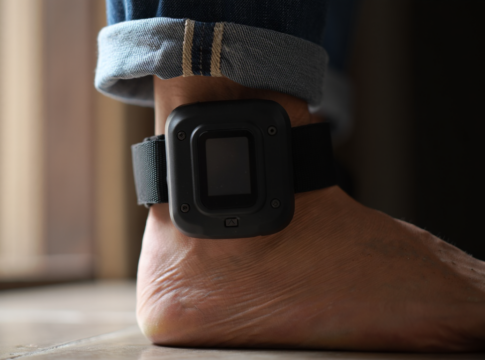
Despite his release, Rojas faces ongoing legal uncertainty. He must wear an ankle monitor and attend an upcoming hearing that will determine whether it can be removed. He also faces another required report to the Miramar detention facility next week. Torres expressed relief at her husband’s release while acknowledging anxiety about what comes next. ICE acknowledged a request for comment from CBS News Miami but said the agency needs additional time to respond to questions about conditions at the facility and detention policies.