
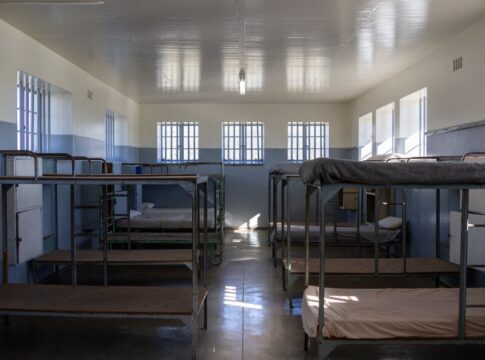
A court-appointed medical monitor found severe healthcare failures at California’s largest immigration detention center, documenting missing medications, months-long cancer treatment delays, and untrained staff supervising new employees due to chronic shortages.
Independent Monitor Details Systemic Failures
Dr. Muthusamy Anandkumar, appointed by a federal judge to inspect the California City Immigration Processing Center, identified 13 major deficiencies in the facility’s healthcare program. Located 75 miles east of Bakersfield, the center opened last August in a former state prison purchased by the federal government but still operated by private prison company CoreCivic. The monitor’s findings indicate systemic problems rather than isolated incidents.
Anandkumar’s report documented inadequate emergency care, dental services, and chronic disease management. Staffing shortages forced the facility to pull workers from training sessions to cover shifts, creating a dangerous cycle where incompletely trained employees then trained incoming staff. The monitor emphasized that individual healthcare workers were not at fault, pointing instead to fundamental failures in staffing levels, management structure, and oversight protocols.
Detainees Sue Over Constitutional Violations
Seven detainees filed a federal lawsuit in the Northern District of California claiming the conditions violate their due process rights under the Constitution. The legal complaint alleges detainees lack appropriate clothing for cold desert nights, cannot access wheelchairs despite mobility issues, and face life-threatening delays in medical treatment. The judge appointed Anandkumar as an independent monitor in March as part of this ongoing litigation.
CoreCivic spokesperson Ryan Gustin defended the facility’s operations, stating it provides daily access to physical and mental healthcare services with 24-hour emergency medical availability. Gustin said the company coordinates with outside physicians and hospitals when specialized care exceeds onsite capabilities, though he acknowledged the facility cannot control external provider scheduling and availability. He noted that ICE compliance officers monitor adherence to detention standards.
September Inspection Found Identical Problems
Disability Rights California conducted a two-day inspection last September, shortly after the facility opened. That investigation documented failures to distribute medication for life-threatening conditions and delays in scheduling necessary surgeries. The September findings mirror Anandkumar’s conclusions ten months later, including consistent failures to respond promptly to sick call requests and distribute prescription medications for diabetes, high blood pressure, and seizure disorders. The pattern suggests healthcare deficiencies persisted throughout the facility’s first year of operation despite early warnings.