
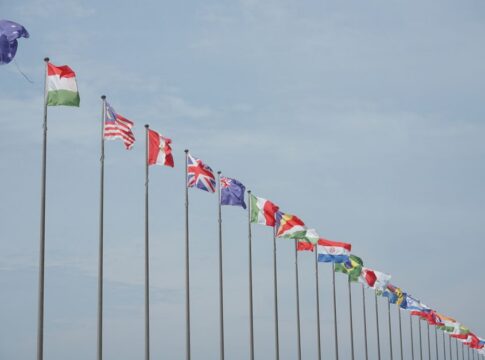
How Identity Shapes Modern Alliances
In contemporary international relations, the formation and maintenance of political alliances have evolved far beyond traditional considerations of military might and economic advantage. Identity—encompassing shared values, cultural affinity, historical narratives, and ideological frameworks—has emerged as a critical factor in determining which nations align together and how these partnerships function. Understanding the role of identity in modern alliance-building provides essential insight into the current geopolitical landscape and the future trajectory of international cooperation.
The Evolution of Alliance Formation
Historically, alliances were predominantly transactional arrangements based on immediate security threats and strategic interests. The balance of power theory that dominated much of the 19th and 20th centuries suggested that states would align with partners who could best protect their sovereignty and territorial integrity, regardless of ideological or cultural differences. However, the post-Cold War era has witnessed a fundamental shift in how nations conceive of and construct their international partnerships.
The emergence of identity as a primary consideration reflects broader changes in global politics. Democratic consolidation, the spread of information technology, increased interconnectedness, and the rise of transnational challenges have all contributed to a political environment where shared identity markers often determine alliance durability and effectiveness more than raw power calculations alone.
Components of Identity in Alliance Politics
Ideological Alignment
Political ideology represents one of the most significant identity factors shaping modern alliances. Democratic nations increasingly prefer to align with other democracies, while authoritarian regimes find common cause with similarly structured governments. This ideological sorting reflects not merely preference but practical considerations about governance compatibility, predictability in decision-making processes, and shared perspectives on international norms.
Organizations such as the European Union and NATO have explicitly incorporated democratic values into their membership criteria, making political identity a prerequisite for participation. This ideological gatekeeping ensures internal cohesion but also creates clear dividing lines in the international system between democratic and non-democratic blocs.
Cultural and Religious Bonds
Cultural affinity and religious identity continue to play substantial roles in alliance formation, particularly in regions where these factors intersect with political interests. The Organization of Islamic Cooperation, for instance, brings together nations based on shared religious identity, facilitating cooperation on issues ranging from economic development to political solidarity on matters affecting Muslim populations globally.
Similarly, linguistic and historical ties often underpin modern partnerships. The Commonwealth of Nations, Francophonie, and the Community of Portuguese Language Countries demonstrate how colonial legacies and linguistic connections create enduring frameworks for cooperation, even decades after political independence.
Nationalist Narratives and Historical Memory
How nations construct their historical narratives and national identities significantly influences their alliance choices. Countries that view themselves as having shared historical experiences—whether as former colonies, victims of aggression, or champions of particular causes—often develop stronger bonds than those predicted by material interests alone.
Historical grievances and collective memories of conflict can also prevent alliance formation between potential partners, even when strategic logic might suggest cooperation. The ongoing complexities in East Asian international relations, shaped by memories of World War II and colonialism, illustrate how historical identity factors can complicate contemporary alliance-building efforts.
Identity-Based Alliances in Practice
Democratic Solidarity Networks
The past two decades have witnessed the strengthening of what scholars term “democratic solidarity networks.” These alliances prioritize shared governance systems and liberal values as foundational elements. The transatlantic partnership between North America and Europe exemplifies this trend, where common democratic values reinforce traditional security cooperation.
Recent initiatives such as the Summit for Democracy and various democracy promotion programs reflect explicit efforts to strengthen bonds among nations sharing democratic identities. These platforms serve both practical coordination functions and symbolic purposes, reinforcing collective identity among participating nations.
Authoritarian Alignment
Conversely, authoritarian regimes have developed their own identity-based partnerships, often framed around concepts like sovereignty, non-interference, and alternative development models. These alliances position themselves in explicit contrast to liberal democratic frameworks, offering member states mutual support in resisting democratic pressure and maintaining regime stability.
Organizations promoting these alternative visions of international order emphasize respect for diverse political systems and resistance to what members characterize as external interference in domestic affairs. This identity framing provides cohesion and purpose beyond immediate material interests.
Challenges and Limitations
While identity plays an increasingly important role in modern alliances, several challenges complicate this trend:
- Identity Fluidity: National identities evolve over time, potentially destabilizing alliances built on particular identity conceptions. Political transitions can rapidly alter a nation’s ideological orientation and alliance preferences.
- Multiple Identities: Nations possess multiple, sometimes competing identities that can pull alliance commitments in different directions. A country might identify simultaneously with regional, ideological, and cultural groupings with divergent interests.
- Strategic Pragmatism: Material interests still matter significantly. Identity-based alliances face stress tests when economic or security imperatives conflict with identity commitments.
- Exclusionary Dynamics: Identity-based alliances can create rigid in-group/out-group dynamics that reduce flexibility and complicate necessary cooperation across ideological divides on global challenges.
Future Implications
The growing importance of identity in alliance formation has profound implications for international relations. As global challenges requiring broad cooperation intensify—including climate change, pandemic response, and economic stability—the question of whether identity-based alliances can facilitate or hinder collective action becomes increasingly critical.
The international system appears to be organizing into distinct identity-defined blocs, with cooperation within groups often easier than coordination between them. This development presents both opportunities for deepened cooperation among like-minded nations and risks of increased polarization and reduced flexibility in addressing transnational challenges.
Understanding how identity shapes modern alliances is essential for policymakers, analysts, and citizens seeking to navigate an increasingly complex international landscape. As identity continues to gain prominence alongside traditional material considerations, the nature of international cooperation and conflict will increasingly reflect these deeper questions of political, cultural, and ideological affinity that define how nations see themselves and their place in the world.