
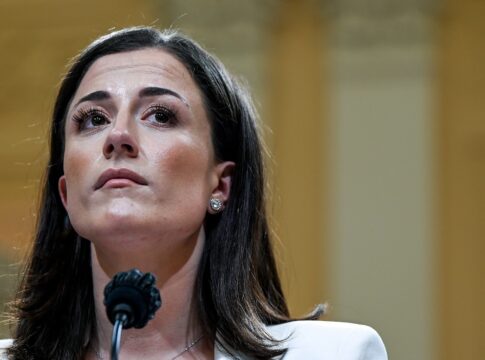
A federal grand jury in Washington, D.C., has declined to bring charges against Cassidy Hutchinson, the former Trump White House aide who testified before the House Select Committee investigating the January 6, 2021, Capitol events. The decision represents a significant pushback against what many view as politically motivated prosecution efforts.
Grand Jury Rejects Perjury Charges
The Justice Department sought an indictment against Hutchinson on allegations that she lied to Congress during her testimony about events surrounding January 6. Sources familiar with the proceedings confirmed to ABC News that the grand jury refused to move forward with charges. The Washington Post originally broke the story about the failed indictment attempt.
President Trump has consistently challenged Hutchinson’s credibility, particularly regarding her testimony about events that day. Republicans have worked to discredit her most dramatic claim, which involved a secondhand account about Trump allegedly lunging for the steering wheel of his presidential vehicle after his speech at the Ellipse on January 6. Trump firmly denies this account, and other White House staff members never confirmed this specific detail.

w @mychaelschnell @falgallagher @caseyagannon
ms.now/news/grand-jur…

Special Counsel Avoided Her Testimony
Former special counsel Jack Smith, who previously indicted President Trump over efforts to challenge the 2020 election results, chose not to use Hutchinson as a material witness. Smith determined that much of her testimony relied on hearsay rather than firsthand knowledge. The special counsel’s case against Trump was eventually dismissed, and the President had pleaded not guilty to all related charges.
Hutchinson has consistently defended her congressional testimony and stated she stands by everything she said under oath. She did not respond to requests for comment following the grand jury’s decision. The Justice Department also declined to provide any statement about the matter.
What This Means
This grand jury decision marks another setback for politically charged prosecutions emerging from the January 6 investigations. When ordinary citizens serving on a grand jury refuse to bring charges, it raises serious questions about the strength of evidence and the motivations behind such prosecutions. The refusal to indict suggests that regular Americans reviewing the facts found insufficient grounds to proceed. This outcome underscores the importance of the grand jury system as a check against potential government overreach and reminds everyone that testimony based on secondhand information carries far less weight than direct evidence.