
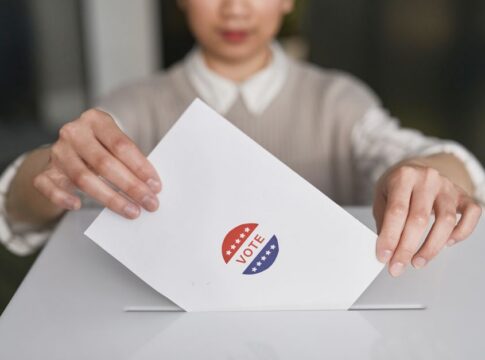
Photo: Edmond Dantès / Pexels
By US Daily Tribune Newsroom, Politics Desk — Published November 14, 2026
Table of Contents
- Key Takeaways
- The Background & Context
- Why This Matters
- Reactions & Analysis
- What Happens Next
- Frequently Asked Questions
As political analysts weigh Democrats’ midterm electoral gains, questions are mounting about how a shifting balance of power in Congress could reshape U.S. policy toward Latin America during the remainder of Donald Trump’s presidency. The dynamics between the executive branch and a divided legislature promise to create new friction points on issues ranging from immigration enforcement to trade agreements and regional diplomacy.
With Democrats poised to assume control of key congressional committees, the party’s enhanced oversight authority could complicate the administration’s approach to hemispheric relations. The midterm results inject fresh uncertainty into an already complex relationship between Washington and its southern neighbors, at a time when migration flows, economic integration, and security cooperation remain flashpoint issues for American voters.
The political realignment arrives as Trump continues to pursue an aggressive stance on border security and immigration, positions that have defined much of his presidency. How the new congressional makeup influences legislation, funding decisions, and diplomatic initiatives will have concrete consequences for millions of Americans and Latin American citizens alike.
Key Takeaways
- Political analysts are examining how Democratic midterm victories could alter the trajectory of Trump administration policies toward Latin America
- The shift in congressional power dynamics introduces new variables into debates over immigration, trade, and regional security cooperation
- Committee assignments and oversight authority give Democrats tools to influence or constrain executive branch actions in the hemisphere
- The election results come as border security, migration, and relations with Mexico and Central America remain contentious political issues
- Congressional control over appropriations and treaty ratification provides leverage points for shaping hemispheric policy
- The political landscape affects not only bilateral relationships but also multilateral initiatives involving Latin American nations
The Background & Context
U.S. relations with Latin America have undergone significant turbulence in recent years. Trump’s campaign rhetoric and subsequent policy decisions marked a departure from previous administrations’ approaches to the region. His focus on building a border wall, renegotiating trade agreements, and taking a harder line on immigration enforcement created tensions with Mexico and Central American countries.
The midterm elections traditionally serve as a referendum on a sitting president’s agenda. When one party controls the White House while another gains ground in Congress, the resulting divided government often forces compromise and negotiation. This institutional check-and-balance mechanism can slow or redirect policy initiatives that might otherwise proceed unimpeded.
Latin America policy rarely dominates American election campaigns, but its components—immigration, trade, drug interdiction—frequently do. The border wall became a signature Trump promise. NAFTA renegotiation attracted bipartisan attention. The flow of asylum seekers from Central America’s Northern Triangle countries generated heated debate about humanitarian obligations versus enforcement priorities.
Congressional Democrats have historically advocated for more humanitarian approaches to migration, stronger human rights conditions on security assistance, and multilateral rather than unilateral diplomatic strategies. Republicans have generally supported stricter immigration enforcement, emphasized border security, and backed executive branch flexibility in foreign policy.
These philosophical differences translate into concrete legislative battles over funding levels, program authorizations, and treaty ratifications. Committee chairmanships determine which issues receive hearings, which witnesses testify, and which bills advance. Subpoena power enables investigations into executive branch decision-making and implementation.
Why This Matters
For American citizens, shifts in Latin America policy have direct domestic consequences. Immigration policy affects labor markets, public services, and community composition in states from California to Florida. Trade agreements influence job availability in manufacturing sectors and prices consumers pay for goods. Security cooperation impacts drug availability and cross-border crime.
Taxpayers fund foreign aid programs, border enforcement operations, and diplomatic missions throughout the hemisphere. How Congress allocates these resources reflects priorities and values. A Democratic House could redirect spending toward development assistance and away from enforcement infrastructure, or attach conditions to appropriations that constrain executive discretion.
Business communities watch trade policy closely. Agricultural exporters depend on market access to Mexico and other Latin American countries. Manufacturers rely on integrated supply chains spanning borders. Any disruption to commercial relationships reverberates through American communities dependent on these economic ties.
The humanitarian dimension carries moral weight. How the United States treats asylum seekers, refugees, and migrants reflects national character and international commitments. Congressional oversight can spotlight abuses, demand accountability, and shape public understanding of complex situations.
Regional stability affects American security interests. Gang violence, drug trafficking, and political instability in Central America and the Caribbean create challenges that don’t respect borders. Whether U.S. policy emphasizes military aid or economic development, enforcement or engagement, has long-term implications for hemispheric peace and prosperity.
Reactions & Analysis
Political observers across the spectrum recognize that divided government creates new dynamics. Analysts examining the post-midterm landscape note that Democratic committee chairs will have platforms to challenge administration policies they view as counterproductive or inhumane. Subcommittee hearings can shine light on implementation details that receive little public attention when one party controls both branches.
The legislative process itself becomes more complex. Bills require bipartisan support to advance through both chambers. Appropriations negotiations involve more stakeholders with competing priorities. Treaty ratification, which requires Senate approval, faces additional scrutiny when opposition parties control investigative machinery.
Foreign policy experts point out that Latin American governments must now navigate a more complicated Washington landscape. Lobbying efforts and diplomatic outreach must engage both parties and both chambers. What the executive branch promises may face congressional obstacles. What Congress demands may exceed executive willingness to deliver.
Immigration advocates see opportunities to advance reform proposals that languished under unified Republican control. Labor unions hope to influence trade agreement implementing legislation. Human rights organizations anticipate more receptive audiences for concerns about security force abuses or detention conditions.
Conversely, border security proponents worry that Democratic oversight could hamper enforcement operations or reduce funding for infrastructure and personnel. Business groups concerned about regulatory stability hope that political gridlock doesn’t disrupt existing trade relationships or prevent new agreements from advancing.
What Happens Next
The coming months will test whether divided government produces compromise or stalemate. Budget negotiations will reveal whether Democrats use appropriations leverage to reshape border security priorities or whether both sides find common ground on enforcement paired with legal immigration reforms.
Committee hearings will likely examine detention conditions, asylum processing procedures, and foreign aid effectiveness. Witnesses ranging from administration officials to advocacy groups will present competing narratives about what works and what doesn’t in managing migration flows and supporting regional development.
Trade policy faces particular uncertainty. Any new agreements or modifications to existing pacts require congressional approval through implementing legislation. Democratic priorities around labor standards, environmental protections, and enforcement mechanisms could complicate negotiations or delay ratification.
The 2020 presidential campaign will increasingly influence legislative dynamics. Candidates positioning themselves for primary battles may stake out positions that complicate bipartisan cooperation. Incumbent senators facing reelection will weigh constituent pressures against institutional responsibilities.
Latin American governments will adjust their strategies accordingly. Some may seek to cultivate congressional relationships to counterbalance executive branch positions. Others may delay major initiatives until after the next presidential election brings potential policy shifts. Regional multilateral organizations may find opportunities to engage with congressional delegations seeking alternative approaches.
Frequently Asked Questions
How does congressional control affect immigration policy?
Congress holds power over immigration law and appropriations for enforcement agencies. While the executive branch implements policy, Congress can restrict funding, mandate reporting requirements, attach conditions to appropriations, and pass legislation that constrains or directs executive action. Committee oversight hearings can expose implementation problems and build public pressure for changes.
What role does Congress play in Latin America trade agreements?
The Constitution gives Congress authority over international commerce, meaning trade agreements require congressional approval through implementing legislation. Committees hold hearings on proposed agreements, negotiate changes to provisions, and ultimately vote on whether to authorize the deals. This gives legislators significant influence over terms and conditions affecting American workers and businesses.
Can Congress block foreign aid to Latin American countries?
Yes, through the appropriations process. Congress determines funding levels for foreign assistance programs and can prohibit aid to specific countries or condition assistance on human rights improvements, policy changes, or other requirements. While the executive branch requests funding and implements programs, congressional appropriators make final decisions about how much money flows where.
How might divided government affect border security funding?
Divided government typically requires negotiation and compromise on contentious issues like border security. Democrats may resist funding for physical barriers while supporting technology, personnel, or processing improvements. Republicans may insist on enforcement infrastructure as a condition for other priorities. The result often involves trade-offs where both sides gain some objectives while conceding others.
The intersection of electoral politics and hemispheric policy will continue shaping American relationships with Latin America for years to come. As analysts weigh Democrats’ midterm performance and its implications, one certainty emerges: the path forward requires navigating competing visions of what U.S. engagement with its southern neighbors should look like. How Congress and the executive branch resolve these tensions will determine whether the result is productive compromise or persistent gridlock.