
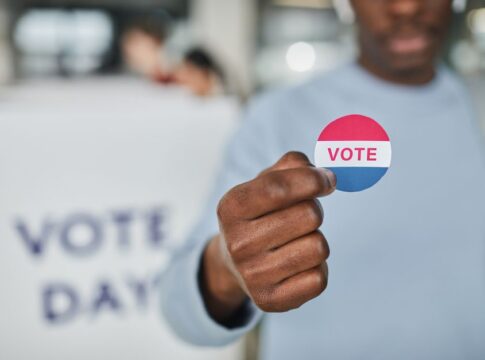
Photo: Edmond Dantès / Pexels
By US Daily Tribune Newsroom, Politics Desk — Published September 30, 2026
Table of Contents
- Key Takeaways
- The Background & Context
- Why This Matters
- Reactions & Analysis
- What Happens Next
- Frequently Asked Questions
House Democratic Leader Hakeem Jeffries has laid out his party’s legislative vision should they reclaim the majority in the upcoming elections. In a recent PBS interview, Jeffries emphasized that affordability and accountability priorities would anchor the Democratic agenda, signaling a sharp pivot toward kitchen-table economics and governmental oversight. The New York congressman’s remarks come as Democrats position themselves for what many view as a pivotal campaign season, one that could reshape the balance of power in Congress and determine the legislative trajectory for millions of Americans.
Jeffries’ focus on these twin pillars reflects both political calculation and policy conviction. Affordability resonates with voters grappling with persistent inflation and elevated costs for housing, healthcare, and everyday necessities. Accountability speaks to concerns about governmental integrity and the rule of law—themes that have dominated political discourse in recent years. The leader’s public commitment to these issues offers a preview of how Democrats intend to contrast their platform with Republican priorities heading into the next electoral cycle.
The timing of Jeffries’ announcement matters. As Democrats work to energize their base and persuade swing voters, articulating clear, tangible goals becomes essential. His PBS appearance served as both a policy statement and a campaign document, designed to communicate what voters can expect from a Democratic majority. Whether these promises translate into electoral success—and eventual legislation—remains the central question facing the party.
Key Takeaways
- House Democratic Leader Hakeem Jeffries identified affordability and accountability as top legislative priorities in a PBS interview, outlining his party’s agenda should they win the House majority.
- The affordability agenda targets persistent economic concerns affecting American households, including costs for housing, healthcare, and essential goods.
- Accountability measures would likely focus on governmental oversight and transparency, themes central to Democratic messaging in recent campaigns.
- Jeffries’ public statements represent a strategic effort to define Democratic values and legislative goals ahead of crucial elections that will determine congressional control.
- The announcement comes amid broader political developments, including ongoing legal proceedings involving former President Trump that continue to shape the political landscape.
- Democrats face the challenge of translating campaign promises into legislative reality if they succeed in capturing the House majority.
The Background & Context
Hakeem Jeffries assumed leadership of House Democrats following Nancy Pelosi’s decision to step aside from the top leadership position after decades at the helm. The Brooklyn-born congressman represents a generational shift in Democratic leadership, bringing a different communication style and political approach to the role. Since taking the reins, Jeffries has worked to unify a diverse caucus while articulating a clear message to voters about what Democrats stand for and what they hope to accomplish.
The emphasis on affordability reflects economic realities that have dominated American life in recent years. While inflation has moderated from its peak, many families continue to struggle with elevated prices. Housing costs have soared in markets across the country. Healthcare expenses remain a persistent burden. Groceries, childcare, and transportation all command larger shares of household budgets than in previous decades. Democrats believe addressing these pocketbook issues directly can resonate with voters who feel economically squeezed, regardless of broader macroeconomic indicators.
Accountability, meanwhile, has become a watchword in Democratic politics. The party has consistently emphasized the importance of governmental transparency, ethical conduct, and adherence to democratic norms. This priority takes on added significance in the context of ongoing investigations and legal proceedings involving political figures. Democrats argue that robust oversight mechanisms and accountability structures are essential to maintaining public trust in government institutions.
The Democratic strategy reflects lessons learned from previous election cycles. Successful campaigns often hinge on clear, understandable messages that connect policy proposals to voters’ daily experiences. Abstract ideological arguments rarely move persuadable voters as effectively as concrete promises to address tangible problems. By centering affordability and accountability, Jeffries aims to provide that clarity and connection.
Why This Matters
For American voters, the stakes extend beyond partisan scorekeeping. Control of the House determines which legislation reaches the floor, which investigations proceed, and which policy priorities receive attention and resources. A Democratic majority would pursue a fundamentally different agenda than a Republican one, affecting everything from tax policy to healthcare regulation to environmental standards.
The affordability agenda could translate into legislative efforts targeting prescription drug costs, housing supply constraints, childcare subsidies, and consumer protection measures. These policies would directly impact household finances for millions of families. Whether such legislation could pass a divided Congress—or overcome a presidential veto—depends on election outcomes and political dynamics. But the commitment itself signals where Democrats would focus their energies and political capital.
Accountability measures could reshape governmental oversight. A Democratic House would likely pursue investigations into executive branch actions, corporate conduct, and potential ethical violations. The scope and intensity of such oversight would depend on specific circumstances and leadership decisions. But the commitment to accountability suggests aggressive use of congressional investigative powers, subpoena authority, and public hearings.
For the broader political system, Jeffries’ announcement represents an important marker in the ongoing contest to define American governance. Elections increasingly function as referendums on competing visions of what government should do and how it should operate. By staking out clear positions on affordability and accountability, Democrats offer voters a choice—and a basis for evaluating their performance should they win power.
Reactions & Analysis
Political observers note that Jeffries’ PBS interview represents a calculated messaging strategy. The choice of PBS as a venue suggests an effort to reach politically engaged, moderate voters who consume public broadcasting. The focus on concrete policy priorities rather than abstract values or partisan attacks reflects modern campaign wisdom that emphasizes tangible promises over rhetorical flourishes.
The Democratic leader’s emphasis on affordability aligns with polling data showing economic concerns remain paramount for most voters. Regardless of partisan affiliation, Americans consistently cite inflation, wages, and cost of living among their top priorities. By centering these issues, Democrats hope to compete effectively in swing districts where economic anxiety often determines electoral outcomes.
The accountability component carries both promise and risk for Democrats. Voters generally support governmental transparency and ethical conduct. However, excessive focus on investigations and oversight can appear partisan or vindictive, particularly if not balanced with affirmative policy achievements. Democrats must navigate this tension carefully, demonstrating they can both hold power accountable and deliver material benefits to constituents.
Republicans will undoubtedly contest Democratic framing on both fronts. They may argue their own policies better address affordability through tax cuts, deregulation, and free-market approaches. On accountability, Republicans often accuse Democrats of weaponizing oversight for political purposes. The ensuing debate will shape campaign narratives and potentially influence voter perceptions.
What Happens Next
The immediate future involves campaigning. Democrats must translate Jeffries’ vision into effective messaging across hundreds of House districts with varying political compositions. Candidates will adapt the affordability and accountability framework to local circumstances, emphasizing issues most relevant to their constituents while maintaining thematic consistency with national party priorities.
Should Democrats win the House majority, Jeffries would likely become Speaker. His policy commitments would then face the test of legislative reality. Passing meaningful affordability legislation requires not just House votes but Senate cooperation and presidential approval. In a divided government scenario, bipartisan compromise becomes essential—potentially diluting ambitious proposals into more modest reforms.
Accountability measures might prove easier to implement unilaterally, as congressional oversight powers rest primarily with the majority party. Democrats could launch investigations, hold hearings, and demand documents without requiring cooperation from other branches. However, the political impact of such actions depends heavily on public perception and media coverage—factors outside direct Democratic control.
The longer-term implications extend beyond single election cycles. If Democrats successfully deliver on affordability promises, they strengthen their claim to economic stewardship and potentially build durable electoral coalitions. If accountability efforts expose genuine wrongdoing, they vindicate Democratic warnings and potentially shift political dynamics. Conversely, failures on either front could undermine party credibility and electoral prospects.
Frequently Asked Questions
What specific affordability measures might Democrats pursue?
While Jeffries did not detail specific legislation in his PBS interview, Democratic affordability agendas typically include measures to reduce prescription drug costs, expand healthcare access, increase housing supply, provide childcare assistance, and strengthen consumer protections. The exact priorities would depend on caucus consensus and political feasibility, but the focus remains on reducing household expenses for essential goods and services.
How would Democratic accountability efforts differ from current oversight?
A Democratic House majority would likely pursue more aggressive oversight of executive branch actions, particularly regarding potential ethical violations, conflicts of interest, and adherence to legal requirements. This could involve expanded use of subpoenas, public hearings, and investigative resources. The scope would depend on specific circumstances and leadership decisions, but Democrats have historically emphasized robust congressional oversight as a constitutional responsibility.
Can Democrats realistically pass major legislation with a divided Congress?
Passing significant legislation in a divided government requires bipartisan cooperation, which has become increasingly difficult in recent years. Democrats might achieve modest reforms on issues with broad public support, but transformative changes typically require unified party control of both chambers and the presidency. Much depends on specific political dynamics, public pressure, and willingness to compromise on both sides.
When will voters decide whether Democrats take the House?
The next House elections will occur during the regular congressional election cycle. All 435 House seats are contested every two years, giving voters the opportunity to determine party control. The outcomes depend on district-level races across the country, with competitive contests in swing districts ultimately determining the majority. Campaign dynamics, economic conditions, and political events between now and election day will all influence results.
Jeffries has drawn his line in the sand. The Democratic vision for a potential House majority now has clear contours: make life more affordable for struggling families and hold power accountable to the people. Whether voters embrace this agenda—and whether Democrats can deliver on these promises if given the chance—will define American politics in the months and years ahead. The conversation has begun. The verdict awaits.