
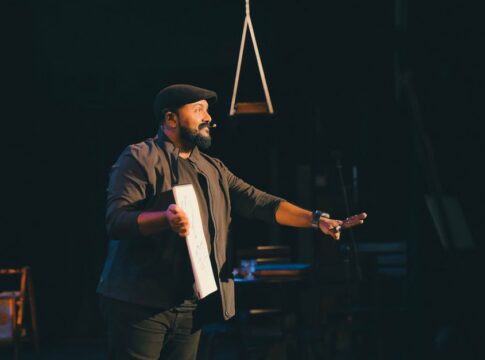
Photo: Nipin Niravath / Pexels
By US Daily Tribune Newsroom, Entertainment Desk — Published October 14, 2026
Table of Contents
- Key Takeaways
- The Background & Context of the Shane Gillis Monologue Controversy
- Why This Matters to American Audiences
- Reactions & Analysis From Media and Public Figures
- What Happens Next for Comedy and Network Standards
- Frequently Asked Questions
Comedian Shane Gillis returned to Studio 8H at Saturday Night Live as host, but his opening monologue has ignited a firestorm of criticism across entertainment media and pop culture circles. The shane gillis monologue, which aired during his hosting debut, featured jokes about women that multiple outlets and prominent voices are condemning as degrading and sexist. What should have been a triumphant return to the show that once fired him before his first episode aired has instead become a flashpoint in ongoing debates about comedy, accountability, and acceptable boundaries in mainstream TV entertainment.
The backlash has been swift and vocal. According to reports, television personality Jenna Bush Hager publicly criticized the comedian’s material, declaring “It’s not OK” as she joined a growing chorus of voices expressing disapproval. USA Today went further, arguing in its coverage that the comedian “degraded women” and suggesting the public response has been insufficient given the severity of the offense. The controversy raises questions about what standards networks like NBC should uphold for content that reaches millions of viewers in prime-time streaming and broadcast slots.
The incident has reignited conversations about comedy’s evolving relationship with gender, power, and representation in an era when streaming platforms and traditional TV networks compete for audiences while navigating shifting cultural sensitivities. For many viewers, the episode represents a test case: Can mainstream entertainment platforms distinguish between edgy comedy and material that crosses ethical lines?
Key Takeaways
- Shane Gillis hosted Saturday Night Live and delivered an opening monologue that multiple news outlets characterized as sexist and degrading to women.
- Television host Jenna Bush Hager publicly condemned the monologue, stating the content was not acceptable and joining mounting criticism against the comedian.
- USA Today’s coverage suggested the level of public anger has been inadequate given the nature of the comments made during the broadcast.
- The controversy occurs against the backdrop of Gillis’s complicated history with SNL, having been previously fired from the show before ever appearing on air.
- The incident raises questions about network responsibility and editorial standards for content that reaches mass audiences through broadcast and streaming platforms.
- The backlash reflects broader tensions in entertainment about where comedy’s boundaries should be drawn regarding gender and representation.
The Background & Context of the Shane Gillis Monologue Controversy
Shane Gillis’s relationship with Saturday Night Live has been anything but conventional. The comedian was originally announced as a cast member in 2019 but was terminated before his first episode aired after past podcast recordings surfaced containing racial slurs and offensive material. That firing became a cultural flashpoint, with some defending his comedic style as deliberately provocative while others argued NBC made the right call in severing ties.
Fast forward several years, and the entertainment landscape invited Gillis back—not as a cast member, but as host. This represented a significant rehabilitation of his public image and a vote of confidence from one of television’s most iconic institutions. Hosting SNL typically signals mainstream acceptance. It’s a coveted platform that blends comedy with pop culture relevance, reaching audiences through both traditional broadcast and streaming replays.
The opening monologue is traditionally where hosts set the tone for the evening. It’s an opportunity to connect with the audience, acknowledge their presence in Studio 8H, and establish the comedic sensibility that will guide the show. Hosts often use this time to address controversies, make self-deprecating jokes, or comment on current events. What they say in those critical opening minutes can define public perception of both the episode and the host’s career trajectory.
According to the coverage, Gillis used this platform to make comments about women that struck many observers as crossing from edgy into offensive territory. While the specific quotes were not detailed in the available reports, the consistent characterization across multiple news outlets—using terms like “sexist,” “degraded,” and “not OK”—suggests the material went beyond typical comedic boundary-pushing into territory that violated contemporary standards for how women should be discussed in mainstream entertainment.
Why This Matters to American Audiences
This controversy extends beyond one comedian’s monologue. It touches fundamental questions about media responsibility and cultural values that affect millions of Americans who consume entertainment content.
First, there’s the matter of network accountability. NBC and Saturday Night Live made an editorial decision to invite Gillis back despite his contentious history. That choice carries weight. When a major broadcast network gives someone a prime-time platform, it implicitly endorses that person and their content. Viewers have a legitimate interest in understanding what standards guide these decisions and what mechanisms exist to prevent material that demeans or degrades any group from reaching air.
Second, the incident reflects ongoing cultural negotiations about comedy’s role and limits. Comedy has always tested boundaries—that’s part of its social function. But there’s a difference between comedy that challenges power structures and comedy that reinforces harmful stereotypes or diminishes marginalized groups. Women, who make up more than half the population and the viewing audience, have every right to expect entertainment that doesn’t treat them as acceptable targets for degradation.
Third, this matters because of the platform’s reach and influence. Saturday Night Live isn’t a small comedy club or niche podcast. It’s an American institution that has shaped pop culture for nearly five decades. What airs on SNL gets discussed in workplaces, schools, and homes. It influences how millions of people think about current events, politics, and social issues. When that platform broadcasts content characterized as sexist by multiple reputable news organizations, it normalizes attitudes that many Americans have worked hard to challenge and change.
The streaming era has complicated these dynamics. Content that airs once on Saturday night lives forever on platforms like Peacock and YouTube, reaching audiences far beyond the original broadcast. A monologue that might have faded from memory in the pre-internet age now becomes permanent, searchable, and endlessly shareable. That permanence raises the stakes for what networks allow on air.
Reactions & Analysis From Media and Public Figures
The response to Gillis’s monologue has been notably critical across multiple fronts. Jenna Bush Hager, co-host of NBC’s Today show, used her platform to condemn the material. Her willingness to criticize content from her own network demonstrates the seriousness with which she and potentially others at NBC view the incident. Hager’s statement that “It’s not OK” represents a clear moral line being drawn by a prominent television personality.
USA Today’s coverage took an even stronger stance, not only characterizing the monologue as degrading to women but also suggesting that public anger has been insufficient. This framing is significant. It implies that the outlet believes the offense warrants a more vigorous response than it has received—that audiences and industry figures should be more outraged than they currently appear to be. This represents editorial commentary on both the content itself and the cultural response to it.
NBC News also covered the story with a headline explicitly using the word “sexist,” indicating that this characterization isn’t coming from opinion writers alone but from straight news coverage. When news divisions at major outlets describe content in such direct terms, it signals that the assessment isn’t particularly controversial or debatable—it’s being treated as a factual description of the material.
The pattern across these sources suggests a rare moment of consensus among mainstream media outlets. In an era of fragmented media consumption and divergent interpretations of events, having multiple major news organizations align in their criticism is noteworthy. It indicates the content crossed lines that transcend typical partisan or ideological divisions.
What’s less clear from the available coverage is whether there’s been any formal response from NBC, Saturday Night Live’s producers, or Gillis himself. The absence of defensive statements or apologies in the reporting could mean several things: perhaps the controversy is still developing, perhaps the parties involved are declining comment, or perhaps they’re weathering the criticism without acknowledgment. Each scenario carries different implications for how seriously the network takes the concerns being raised.
What Happens Next for Comedy and Network Standards
This incident will likely have ripple effects across the entertainment industry, particularly for networks navigating comedy in an era of heightened sensitivity to representation and respect.
For NBC and Saturday Night Live specifically, the controversy poses a credibility test. The network will face pressure to clarify what editorial standards govern content and whether this monologue met those standards. If it did, critics will question whether the standards are adequate. If it didn’t, questions arise about how it made it to air. Either way, the incident may prompt internal policy reviews.
For Shane Gillis, the professional consequences remain uncertain. Comedy is a field where controversy can sometimes enhance rather than damage careers, particularly among certain audiences who view pushback as evidence of authenticity or courage. But mainstream opportunities—network television, major streaming specials, corporate endorsements—often require broader appeal and less baggage. This incident may close some doors while opening others, depending on which audience segments and industry gatekeepers Gillis prioritizes.
More broadly, the entertainment industry will be watching to see whether this moment catalyzes any meaningful change in how comedy programs approach content about women and other groups. The streaming era has created alternative pathways to success that don’t require network approval, which can reduce incentives for self-regulation. But major platforms still wield enormous influence, and their choices about what to amplify and what to restrict shape the broader cultural landscape.
The incident also raises questions about audience power. In theory, viewers who object to content can vote with their attention and their dollars, pressuring networks and platforms to change. In practice, audiences are fragmented, and what offends one group may attract another. The business model of modern entertainment—driven by engagement metrics, social media buzz, and niche audience loyalty—sometimes rewards controversy rather than punishing it.
Frequently Asked Questions
What specifically did Shane Gillis say in his SNL monologue?
The available news coverage characterizes the monologue as containing sexist comments that degraded women, but specific quotes were not detailed in the reports from NBC News, Page Six, and USA Today. Multiple outlets described the content as crossing acceptable boundaries regarding how women were discussed, prompting widespread criticism from media figures and commentators.
Why was Shane Gillis allowed to host SNL given his previous firing?
Shane Gillis was originally hired as an SNL cast member in 2019 but was fired before his first episode aired due to past offensive material. His invitation to host years later represented a rehabilitation of his public image and NBC’s decision to give him another opportunity on the platform. The network has not publicly detailed its reasoning for extending this invitation despite the earlier controversy.
What has NBC or Saturday Night Live said about the backlash?
Based on the available reporting, there is no indication that NBC, Saturday Night Live’s producers, or Shane Gillis himself have issued formal statements responding to the criticism. The absence of official comment leaves questions about whether the network stands by the content or plans any response to the concerns raised by media outlets and public figures.
How does this controversy affect broader debates about comedy and free speech?
This incident sits at the intersection of ongoing cultural debates about where comedy’s boundaries should be, who gets to define those boundaries, and what responsibility major platforms have for content they broadcast. While comedy has traditionally pushed limits and challenged norms, critics argue there’s a difference between challenging power and degrading marginalized groups. The controversy reflects unresolved tensions about these distinctions in contemporary entertainment.
The Shane Gillis monologue controversy will likely fade from headlines in days or weeks, as entertainment news cycles move quickly. But the underlying questions it raises—about network responsibility, comedy’s boundaries, and respect for women in mainstream media—will persist. How the industry responds, or fails to respond, will signal what standards actually govern American entertainment in 2024 and beyond.