
A California amusement park attraction that sent two women to emergency brain surgery within days of each other has been linked to more than a dozen serious injuries, multiple comas, and two deaths over nearly two decades—yet state regulators and park officials allowed it to continue operating despite repeated warnings from medical experts and attorneys.
Two Women, Nearly Identical Injuries
Within a single week this July, surgeons at a Southern California hospital treated two women suffering from severe brain hemorrhages after riding the X2 roller coaster at Six Flags Magic Mountain in Valencia. The injuries resembled trauma typically seen in high-speed vehicle collisions—the type that causes the brain to twist and slam inside the skull. Neither woman had been in any accident except riding the theme park attraction promoted as a test for the ultimate daredevil.
Medical records, depositions, and legal filings reviewed by CNN reveal X2 has been connected to numerous life-altering disabilities and fatalities since its opening. Internal park records show officials received scores of complaints about head and neck injuries from the attraction, according to court documents citing an expert witness for plaintiffs.
What Makes This Ride Different
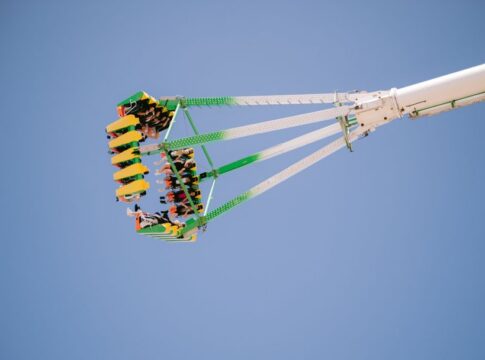
The X2 stands apart from traditional roller coasters with its fourth-dimensional design—seats rotate 360 degrees while trains reach speeds near 80 miles per hour. Only two similar rides exist worldwide, one in China and another in Japan that closed temporarily last year following a fatal injury to an inspection worker. The extreme spinning motion combined with near-vertical drops creates forces that mechanical engineering experts say may pose higher brain injury risks than standard attractions.
Lyndia Wu, a mechanical engineering professor at the University of British Columbia who researches roller coaster effects on the brain, told CNN that head injuries should not be an expected risk from properly designed rides. While traumatic brain injuries from roller coasters are generally considered rare, Wu noted that higher-risk attractions like X2 require further investigation.
Silence From Officials
Six Flags closed the roller coaster on July 12, nearly a full day after the latest injury, but has refused to explain what prompted the shutdown. The California Division of Occupational Safety and Health, which oversees amusement park operations, declined to answer questions about the history of brain injuries associated with X2 or explain how it deemed the ride safe to reopen after previous incidents. The agency would only confirm an ongoing inspection.
When sued by injured riders and their families, park attorneys have defended the attraction by pointing to warning signs stating inherent risks exist in any amusement ride participation. The ride remains closed with no timeline provided for potential reopening or safety modifications.
Sources
CNN: Six Flags rollercoaster lands two women in hospital with alarmingly similar brain injury
The way that video shows the coaster going down doesn’t look like ANY roller coaster I’ve ever seen!