
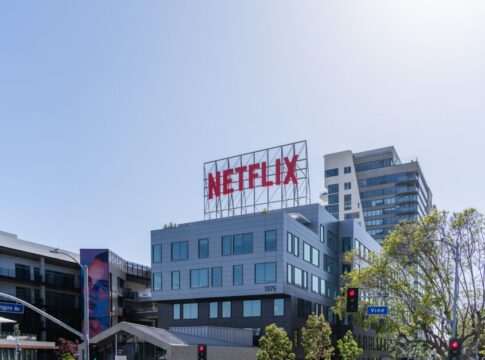
Photo: Abhishek Navlakha / Pexels
By US Daily Tribune Newsroom, Entertainment Desk — Published October 27, 2026
Table of Contents
- Key Takeaways
- The Background & Context
- Why This Matters
- Reactions & Analysis
- What Happens Next
- Frequently Asked Questions
The streaming giant that revolutionized how Americans watch television is now grappling with internal turbulence that exposes a fundamental tension at its core. Netflix layoffs reveal a deepening rift between the company’s Silicon Valley roots and its Hollywood ambitions, as executive shake-ups and workforce reductions signal a company in transition. For millions of subscribers who’ve come to depend on the platform for their entertainment fix, these changes hint at broader shifts in how streaming content will be produced and delivered in the years ahead.
The cultural collision playing out inside Netflix’s offices reflects a wider reckoning across the entertainment industry. Tech-minded executives clash with creative professionals over everything from data-driven decision-making to theatrical releases. As the company simultaneously announces job cuts and experiments with traditional box office reporting—a first for the streaming pioneer—the question looms: Can Netflix remain both a technology disruptor and a Hollywood powerhouse?
These developments arrive at a pivotal moment for streaming services nationwide. With subscriber growth slowing and competition intensifying, Netflix faces pressure to prove its business model can sustain both innovation and profitability. The internal struggles now coming to light may determine whether the company that upended movies and TV can successfully navigate its own evolution.
Key Takeaways
- Netflix is experiencing significant layoffs and executive shake-ups that highlight internal divisions between tech and entertainment cultures
- The company faces a fundamental rift in how it approaches content creation, distribution, and business strategy
- For the first time in its streaming history, Netflix has publicly reported box office numbers for a theatrical release
- These changes reflect broader industry tensions as streaming platforms mature and face new economic pressures
- The cultural clash at Netflix may reshape how the company produces and distributes content for its millions of American subscribers
- Executive leadership transitions signal potential strategic shifts in the company’s future direction
The Background & Context
Netflix built its empire by rejecting Hollywood’s traditional playbook. The company treated entertainment as a data problem to be solved through algorithms and user metrics. For years, this approach worked spectacularly. Subscribers multiplied. Original programming flourished. Competitors scrambled to catch up.
But success brought complexity. As Netflix invested billions in original films and series, it necessarily brought Hollywood talent into its ranks—directors, producers, writers, and executives steeped in the entertainment industry’s creative traditions. These professionals often found themselves at odds with Netflix’s engineering-first culture, where viewer retention metrics could override artistic vision.
The tension manifested in countless ways. Hollywood veterans pushed for theatrical releases to qualify for prestigious awards and attract top talent. Tech-focused executives resisted, arguing that simultaneous streaming releases maximized subscriber value. Creative teams wanted time to develop ambitious projects. Data analysts advocated for rapid production cycles based on trending viewer preferences.
This cultural divide isn’t unique to Netflix. Every major tech company that has entered entertainment—from Amazon to Apple—has struggled to balance algorithmic efficiency with creative intuition. But Netflix, as the first mover and market leader, faces unique pressures. The company must satisfy Wall Street’s demand for growth while maintaining the creative output that keeps subscribers engaged.
The recent decision to report box office numbers represents a significant philosophical shift. For years, Netflix guarded viewership data jealously, releasing only selective metrics that served its narrative. Traditional box office reporting represents transparency that the company historically avoided. This move suggests a willingness to engage with Hollywood’s established practices, even as layoffs indicate continued cost pressures.
Why This Matters
American consumers have fundamentally changed how they consume entertainment, and Netflix drove much of that transformation. The platform’s struggles now affect not just its employees but the entire ecosystem of content creation that serves viewers nationwide.
When Netflix cuts staff and reshuffles executives, those decisions ripple through Hollywood. Fewer development executives mean fewer projects greenlit. Tighter budgets affect production crews, visual effects artists, and countless other workers in the entertainment supply chain. For communities from Los Angeles to Atlanta that depend on film and television production, Netflix’s strategic choices carry real economic weight.
The culture clash also influences what Americans watch. A tech-driven approach favors content that performs well in A/B testing and generates measurable engagement. A Hollywood-driven approach might prioritize artistic merit, critical acclaim, or cultural impact—qualities harder to quantify but potentially more valuable to society. The balance Netflix strikes affects whether viewers get algorithmically optimized content or creatively ambitious programming.
Moreover, Netflix’s evolution sets precedents for the entire streaming industry. If the company successfully integrates tech and entertainment cultures, competitors will study and emulate that model. If the clash proves insurmountable, other platforms may choose sides—becoming either tech companies that happen to make content or entertainment companies that happen to use technology.
For the roughly 75 million American households that subscribe to Netflix, these internal battles may seem distant from their nightly viewing choices. Yet they directly shape the quality, variety, and availability of content. A Netflix that leans too heavily toward data-driven efficiency might produce endless variations on proven formulas. One that embraces Hollywood tradition might take more creative risks but struggle financially.
Reactions & Analysis
Industry observers have noted that Netflix’s current challenges reflect maturation rather than decline. The company can no longer rely solely on growth to paper over strategic disagreements. Hard choices about culture and direction become unavoidable when subscriber additions slow and investors demand profitability.
The decision to report box office figures has drawn particular attention as a potential olive branch to Hollywood. Traditional studios have long criticized Netflix for refusing to share viewership data or honor theatrical windows. By embracing box office transparency, even in limited fashion, Netflix signals potential compromise with industry norms it once dismissed.
Yet layoffs tell a different story—one of cost-cutting and efficiency drives more associated with tech companies than creative enterprises. The juxtaposition reveals a company trying to satisfy multiple constituencies simultaneously: Wall Street analysts demanding margins, Hollywood talent seeking respect for theatrical traditions, and subscribers expecting endless content at affordable prices.
Some analysts suggest the executive shake-ups may represent efforts to find leaders who can bridge the cultural divide. Others see them as symptoms of deeper strategic confusion about whether Netflix should double down on its tech DNA or fully embrace its identity as an entertainment company. The answer likely determines the company’s trajectory for the next decade.
What Happens Next
Netflix’s path forward depends partly on factors beyond its control. If the broader streaming market continues consolidating, the company may need to make acquisition deals that bring new cultural elements into the mix. If subscriber growth rebounds, leadership may gain breathing room to experiment with different organizational approaches.
The theatrical experiment bears watching closely. Should Netflix expand box office reporting to more releases, it would signal a meaningful shift toward Hollywood norms. Continued selectivity might indicate the move was tactical rather than strategic—a one-time gesture rather than lasting change.
Layoffs may continue if economic pressures persist. Each round will likely intensify the culture clash, as remaining employees debate whether cuts should target tech infrastructure or creative development. These decisions will shape what Netflix looks like in five years: a leaner tech platform with modest content ambitions, or a full-fledged studio that happens to stream.
Competitors are certainly taking notes. Disney, Warner Bros. Discovery, Paramount, and others face similar tensions between legacy entertainment cultures and streaming-era demands. How Netflix navigates its internal divisions may provide a roadmap—or a cautionary tale—for the entire industry.
For American viewers, the most tangible impacts will emerge gradually. Shifts in content strategy, production budgets, and release patterns rarely happen overnight. But over months and years, the culture that wins out inside Netflix will determine what appears on screens nationwide.
Frequently Asked Questions
Why is Netflix laying off employees now?
Netflix is conducting layoffs as part of broader cost management efforts amid slowing subscriber growth and increased competition in the streaming market. The company faces pressure to demonstrate profitability to investors while maintaining its content output, leading to difficult decisions about staffing levels across both technical and creative departments.
What does the Hollywood-tech culture clash mean for subscribers?
The culture clash affects what content gets made and how it reaches viewers. A tech-focused approach might prioritize data-driven content decisions and streaming-first releases, while a Hollywood-oriented strategy could emphasize creative risk-taking and theatrical releases. The balance struck will influence the variety, quality, and release patterns of shows and movies available to Netflix subscribers.
Why did Netflix start reporting box office numbers?
By reporting box office numbers for the first time, Netflix is making a notable concession to traditional Hollywood practices. This transparency may help attract filmmakers who value theatrical releases and awards eligibility, while also demonstrating to the entertainment industry that Netflix is willing to engage with established metrics and distribution models it previously rejected.
How does this affect the broader streaming industry?
As the market leader, Netflix’s strategic choices influence the entire streaming sector. How the company resolves its internal culture clash—whether by integrating tech and entertainment approaches or choosing one over the other—will likely shape how competitors structure their own organizations and make content decisions. Other platforms are watching closely to learn from Netflix’s successes and missteps.
The turbulence at Netflix reflects growing pains that may ultimately strengthen the company—or fragment it further. Either way, the resolution of this culture clash will help define the future of entertainment for millions of Americans who’ve made streaming central to their daily lives. The next chapter is being written now, in conference rooms and production studios where tech meets Hollywood, and the outcome remains genuinely uncertain.