
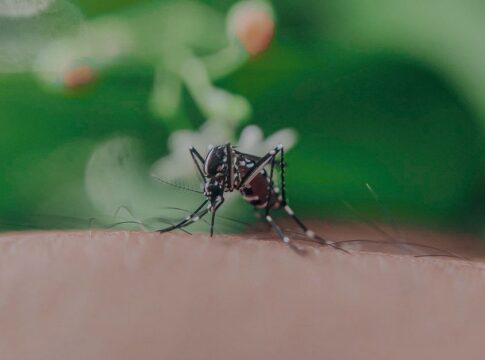
Google faces mounting opposition over plans to release 64 million bacteria-infected mosquitoes across California and Florida in what critics are calling one of the largest open-air biological experiments in American history.
Controversial Release Program Draws Fire
The tech giant’s initiative involves breeding and releasing millions of mosquitoes infected with Wolbachia bacteria across two states. Critics have launched fierce opposition to the program, with concerned citizens demanding immediate intervention to halt what they characterize as an unprecedented biological experiment on American soil. The sheer scale of the planned release has intensified public anxiety about potential unintended consequences affecting families and communities across both states.
The program represents a dramatic expansion of experimental mosquito control methods that bypass traditional approaches. Public backlash has grown as details emerged about the magnitude of the release, with opponents questioning whether adequate safety protocols exist to protect American families from unforeseen health risks. The bacteria-infected mosquitoes would be released into neighborhoods where millions of citizens live, work, and raise their children.
Biology Meets Technology
Wolbachia bacteria naturally occur in certain insect populations and can affect mosquito reproduction patterns. Proponents argue the technology could reduce disease-carrying mosquito populations by interfering with their breeding cycles. However, critics emphasize that releasing tens of millions of laboratory-altered insects into the environment represents uncharted territory with unknown long-term effects on ecosystems and public health. The experimental nature of this massive biological intervention has fueled widespread concern.
Google’s venture into mosquito control marks an unusual direction for a technology company primarily known for internet services and digital products. The initiative raises questions about corporate involvement in large-scale environmental and public health interventions without explicit consent from affected communities. Both California and Florida residents have expressed frustration about decisions impacting their families being made without adequate public input or transparent risk assessment.
Growing Opposition Movement
Citizen groups across both states are mobilizing to stop the mosquito releases before they begin. Opponents argue that Americans deserve the right to reject experimental biological programs in their communities, particularly when the long-term consequences remain uncertain. The controversy highlights broader tensions between technological innovation and public safety concerns, especially when experiments directly affect millions of families without their explicit approval or comprehensive independent oversight ensuring American interests are protected.