
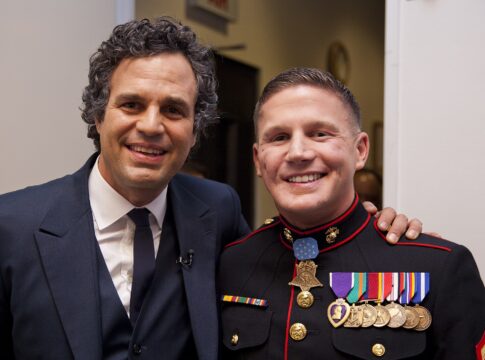
Actor Mark Ruffalo claims Hollywood professionals fear workplace retaliation for opposing the Paramount-Warner merger, revealing what he calls a deep crisis of corporate intimidation silencing dissent across the entertainment industry.
Thousands Sign Petition Despite Industry Fear
Ruffalo and co-author Matt Stoller published a New York Times op-ed detailing their campaign against the merger between Paramount and Warner studios. The Avengers star stated the most revealing aspect of gathering signatures was not who signed their open letter, but who refused out of fear. Over 4,000 artists have signed the petition urging state attorneys general to block the deal, with more joining daily. Ruffalo argues this widespread support demonstrates genuine opposition exists beneath a surface of enforced silence.
The actor asserts the merger has already caused harm before completion by creating what he describes as a pervasive atmosphere of intimidation. Workers throughout Hollywood reportedly avoid speaking publicly about industry consolidation, fearing professional consequences. Ruffalo wrote that people stayed silent not because they disagreed with opposing the merger, but because they were afraid of retaliation from powerful corporate entities controlling their careers and livelihoods.
Political Leaders Join Opposition Movement
California Attorney General Rob Bonta, Senator Cory Booker of New Jersey, and Mayor Zohran Mamdani of New York have publicly opposed the merger according to Ruffalo’s op-ed. These elected officials have initiated hearings and investigations into the deal’s potential impact. Ruffalo pointed to recent legal precedents including a federal judge blocking Nexstar’s merger with Tegna and jury rulings against Meta and Google in social media addiction cases involving youth. He declared that while oligarchs remain in charge, they are losing their grip on power.
Corporate Consolidation Concerns Mount
The Paramount-Warner merger represents another step in media industry consolidation, raising questions about market competition and content diversity. Ruffalo argues that monopoly-leaning companies benefit from fear that silences dissent among workers and creators. He urged collective action as the solution to overcome widespread intimidation, claiming a growing coalition demonstrates that organized resistance can defeat corporate inevitability. The merger continues moving forward despite mounting opposition from entertainment industry workers, political leaders, and consumer advocacy groups concerned about concentration of media power in fewer hands.