
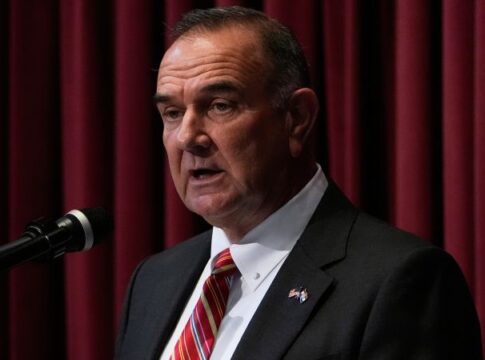
Missouri Governor Mike Kehoe signed legislation Tuesday that prohibits state judges from blocking divorce proceedings when a spouse is pregnant, ending a decades-old practice that trapped victims in abusive marriages.
Unanimous Republican-Led Reform
House Bill 1908 passed with unanimous support in both chambers of Missouri’s legislature, modifying a 1970s-era state law that required couples to disclose pregnancy status. Republican State Representative Cecelie Williams sponsored the measure after experiencing firsthand how the outdated provision prevented her from escaping an abusive marriage two decades ago when she was pregnant. The new law explicitly states that pregnancy status cannot prevent courts from finalizing divorce or legal separation judgments.
Williams told reporters the original measure aimed to simplify child support and custody arrangements but created dangerous situations for abuse victims. Governor Kehoe said Williams’ personal story nearly brought him to tears when they met last year. The governor explained the issue resonated deeply because his own mother and siblings experienced domestic violence after his father abandoned the family following his birth.
Broader National Pattern
Missouri previously stood among a handful of states, including Texas, where judges routinely delayed divorce proceedings during pregnancy. Medical research from the March of Dimes nonprofit confirms that both verbal and physical abuse frequently intensifies during pregnancy, making delayed divorces particularly dangerous for expectant mothers trapped in violent relationships. Williams expressed gratitude that legislators understood how the barrier specifically harmed women attempting to leave abusive situations.
What This Means
The signing ceremony marked a personal victory for Williams, who made changing this law a central priority since deciding to seek public office. Governor Kehoe also signed two additional bills Tuesday addressing Missouri’s juvenile criminal system and establishing criminal penalties for child sex trafficking. The reform demonstrates how personal testimony combined with bipartisan recognition of safety concerns can eliminate outdated legal barriers that endanger vulnerable families.