
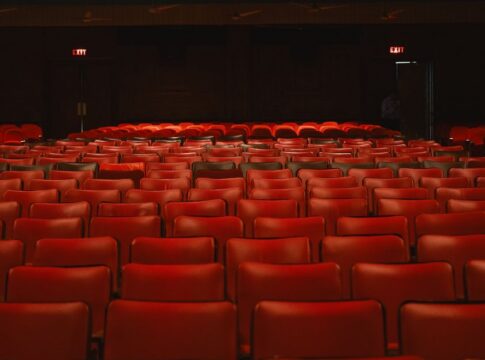
Photo: Abhijit Dey / Pexels
By US Daily Tribune Newsroom, Entertainment Desk — Published October 31, 2026
Table of Contents
- Key Takeaways
- The Background & Context
- Why This Matters
- Reactions & Analysis
- What Happens Next
- Frequently Asked Questions
Why do millions of Americans willingly subject themselves to two hours of terror, anxiety, and jump scares? As streaming platforms and theaters continue to serve up a steady diet of horror content, West Virginia University is offering insights into our culture’s enduring fascination with fright. An expert pitch from WVU’s pop culture specialist aims to decode the psychology and cultural forces that keep audiences coming back to scary movies, even when they know they’ll lose sleep afterward.
The timing couldn’t be more relevant. Horror films dominate streaming charts year-round, not just during Halloween season. From prestige elevated horror to slasher franchises, the genre commands serious box office revenue and critical attention. Understanding why we’re drawn to fictional fear reveals something fundamental about human psychology, entertainment consumption, and our collective need to process anxiety in controlled environments.
West Virginia University’s expert pitch on this topic reflects a broader academic interest in pop culture as a lens for understanding American society. Universities increasingly recognize that studying entertainment, movies, TV, and streaming habits isn’t frivolous—it’s essential to understanding how communities process emotions, build shared experiences, and navigate real-world anxieties through fictional narratives.
Key Takeaways
- West Virginia University pop culture experts are available to explain the psychological and cultural appeal of scary movies to audiences seeking controlled fear experiences.
- The expert pitch initiative connects academic specialists with media outlets to provide context on entertainment trends, including horror’s sustained popularity across streaming platforms and theaters.
- Horror films serve multiple psychological functions, from adrenaline release to anxiety management, making them a significant cultural phenomenon worth scholarly examination.
- Academic analysis of pop culture, movies, and TV viewing habits helps the public understand broader patterns in entertainment consumption and social behavior.
- The availability of expert commentary reflects universities’ growing role in interpreting media trends for general audiences beyond traditional academic circles.
The Background & Context
Horror has been a staple of American cinema since the silent film era. From Universal’s classic monsters to modern psychological thrillers, the genre has evolved while maintaining its core appeal. What’s changed is the sheer volume and accessibility. Streaming services now offer thousands of horror titles at the click of a button. Viewers can binge entire franchises or discover obscure international terror tales without leaving their couches.
This democratization of scary content has coincided with horror’s critical renaissance. Films once dismissed as lowbrow entertainment now win major awards and spark serious cultural conversations. Directors like Jordan Peele and Ari Aster have elevated the genre into social commentary. Horror addresses race, class, gender, and political anxiety through metaphor and visceral imagery.
Academic institutions have responded by treating pop culture as worthy of rigorous study. Film studies departments analyze horror’s visual language. Psychology departments examine why fear can be pleasurable. Sociology professors explore how horror reflects societal anxieties. West Virginia University’s expert pitch program represents this shift—acknowledging that understanding entertainment is understanding ourselves.
The university’s initiative to offer expert commentary on pop culture topics serves multiple purposes. It provides journalists with credible sources for entertainment stories. It helps the public access academic expertise outside traditional scholarly channels. And it positions universities as relevant interpreters of contemporary culture, not ivory towers disconnected from everyday life.
Why This Matters
Americans spend billions of dollars annually on entertainment. Horror represents a significant slice of that economic pie. Box office revenues, streaming subscriptions, merchandise, and themed experiences all flow from our appetite for scary stories. Understanding this phenomenon has real economic implications for industries, workers, and communities.
But the stakes go deeper than dollars. Horror films often serve as cultural barometers, reflecting collective anxieties back to audiences. Zombie movies proliferated during fears of pandemic and social collapse. Home invasion thrillers surged alongside concerns about security and privacy. Monster movies have historically coincided with fears of nuclear war, genetic engineering, or environmental catastrophe.
For parents, educators, and policymakers, understanding why people—especially young people—seek out scary content helps inform decisions about media consumption and mental health. Is horror viewing cathartic or harmful? Does it desensitize viewers to violence or provide safe outlets for processing fear? Academic experts can help navigate these questions with research-based insights rather than moral panic.
The expert pitch model also matters for civic discourse. In an era of misinformation and shallow social media commentary, connecting journalists and the public with credentialed specialists raises the quality of cultural conversation. When news outlets can quote researchers who’ve actually studied horror’s appeal, readers get more than hot takes—they get informed analysis.
For West Virginia specifically, university engagement with pop culture topics helps counter stereotypes about the state being disconnected from contemporary trends. It showcases intellectual resources available within the community and demonstrates that rigorous thinking about entertainment happens everywhere, not just in coastal media hubs.
Reactions & Analysis
The broader academic community has increasingly embraced pop culture studies as legitimate scholarship. What was once considered niche or trivial now appears in peer-reviewed journals and university press books. Conferences devoted to horror studies, science fiction, and other genre entertainment attract scholars from multiple disciplines.
Media outlets have welcomed expert pitches from universities on entertainment topics. Journalists covering movies, streaming, and TV often need credible sources to add depth to their stories. A university professor who studies horror provides more authority than random internet commentators or industry insiders with financial stakes in promoting films.
The entertainment industry itself has taken notice of academic interest in genre films. Studios sometimes consult with researchers when developing marketing campaigns or exploring why certain themes resonate. Film festivals invite scholars to participate in panels. The line between academic analysis and industry practice has become more porous.
Public reception to scholarly takes on scary movies tends to be positive, especially when experts avoid jargon and speak in accessible language. Audiences appreciate learning that their entertainment choices connect to deeper psychological needs or cultural patterns. It validates their viewing habits as more than mere escapism.
Critics of academic pop culture studies argue that universities should focus on more serious subjects. But defenders counter that understanding how millions of people spend their leisure time and process emotions through media is inherently serious. Entertainment shapes worldviews, influences political attitudes, and creates shared cultural touchstones that bind communities together.
What Happens Next
Horror shows no signs of declining in popularity. If anything, the genre continues expanding across platforms and formats. Streaming services invest heavily in original horror content. Theaters rely on horror franchises for reliable returns. Podcasts, video games, and virtual reality experiences explore new ways to scare audiences.
Universities will likely continue expanding their pop culture expertise and outreach. As entertainment becomes more central to American life—and as younger generations consume media differently than their parents—academic institutions that can interpret these trends will remain relevant. Expert pitch programs may grow to cover more entertainment topics beyond horror.
The conversation about why we’re drawn to scary stories will evolve as new research emerges. Neuroscience offers fresh insights into how brains respond to fictional threats. Cultural studies examine how different communities use horror to process specific anxieties. Film theory continues dissecting visual techniques that make certain images so unsettling.
For journalists and the public, having access to university experts on entertainment topics will become increasingly valuable. As media fragments across countless platforms and algorithms shape what we watch, understanding the deeper patterns requires more than casual observation. It demands the kind of systematic analysis that academic training provides.
The horror genre itself will keep adapting to reflect new fears and use new technologies. Whatever form it takes, the fundamental human attraction to controlled fear experiences will persist. And scholars will be there to help explain why we keep coming back for more.
Frequently Asked Questions
Why do people enjoy watching scary movies if fear is supposed to be unpleasant?
Psychologists explain that horror films provide a controlled environment for experiencing fear without real danger. The brain releases adrenaline and endorphins during scary scenes, creating a natural high similar to riding a roller coaster. Viewers know they’re safe, which allows them to enjoy the physiological thrill without actual risk. This controlled fear experience can also help people practice emotional regulation and build confidence in managing anxiety.
How do universities benefit from offering expert commentary on pop culture topics?
Universities gain multiple benefits from expert pitch programs focused on entertainment and pop culture. They increase public visibility and demonstrate relevance beyond traditional academic subjects. Faculty members reach broader audiences with their research. The institution builds relationships with media outlets that can lead to coverage of other university initiatives. And students see their professors engaged with contemporary culture, making academic work feel more connected to everyday life.
Are scary movies actually harmful to viewers, especially children?
Research suggests the impact depends on the individual viewer, their age, and the specific content. Young children can be genuinely traumatized by horror imagery because they haven’t developed the cognitive tools to separate fiction from reality. Adolescents and adults typically process scary movies differently, understanding the fictional context. For most mature viewers, horror films aren’t harmful and may even provide psychological benefits like stress relief and community bonding. Parents should consider age-appropriateness and individual sensitivity when making viewing decisions.
What makes horror such a popular genre across different cultures and time periods?
Horror taps into universal human experiences—fear of death, the unknown, loss of control, and threats to loved ones. Every culture has scary stories because every society needs ways to process anxiety and teach cautionary lessons. The specific monsters and threats change to reflect particular cultural fears, but the underlying appeal remains constant. Horror also offers flexibility as a genre, blending with comedy, romance, science fiction, and social commentary to address whatever concerns audiences at any given moment.
As streaming queues fill with new horror offerings and audiences continue seeking that perfect scare, the conversation about why we’re drawn to fictional fear remains as relevant as ever. West Virginia University’s willingness to share expertise on this topic reflects both the cultural significance of scary movies and the evolving role of academic institutions in interpreting the entertainment that shapes our daily lives. Whether you’re a horror devotee or someone who watches through your fingers, understanding the draw of scary stories helps illuminate something fundamental about being human.