
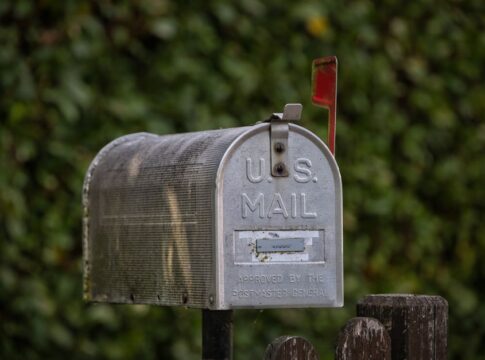
Photo: Wolfgang Vrede / Pexels
By US Daily Tribune Newsroom, Economy Desk — Published September 3, 2026
Table of Contents
- Key Takeaways
- The Background & Context
- Why This Matters
- Reactions & Analysis
- What Happens Next
- Frequently Asked Questions
Americans preparing for the long Labor Day weekend will find many familiar services shuttered as the nation pauses to honor its workforce. With closed labor mail delivery, shuttered banks, and silent stock markets, the first Monday in September brings a sweeping pause to key pillars of the U.S. economy. For millions of workers and consumers, the holiday means adjusted schedules and altered routines across the financial and postal landscape.
The closures reflect the federal holiday’s official status, which triggers mandatory shutdowns for government operations and many private-sector institutions. While retail chains and restaurants largely remain open to capitalize on end-of-summer shopping, the backbone of America’s financial infrastructure takes a collective breath. Understanding what operates and what doesn’t can save citizens time, frustration, and missed deadlines.
From Wall Street trading floors to neighborhood post offices, Labor Day 2026 will see widespread service interruptions. These annual closures carry particular weight in an economy still navigating questions about jobs, interest rates, and inflation—themes that make the worker-focused holiday especially resonant this year.
Key Takeaways
- Mail delivery will not occur on Labor Day, with the U.S. Postal Service observing the federal holiday and suspending regular service.
- Banks nationwide will close their doors, following the federal holiday calendar and halting in-person banking services.
- Stock markets, including the New York Stock Exchange and Nasdaq, will remain closed, pausing trading activity for the day.
- Many retail chains and restaurants will continue operations, offering consumers shopping and dining options despite the federal holiday.
- The closures represent a nationwide acknowledgment of workers’ contributions to the American economy.
- Citizens should plan ahead for financial transactions and postal needs, as services resume Tuesday following the holiday.
The Background & Context
Labor Day has held federal holiday status since 1894, when President Grover Cleveland signed legislation making it an official day of rest. Born from the labor movement’s struggles for fair working conditions and reasonable hours, the holiday emerged during an era of industrial transformation and worker activism. Its September timing—originally chosen to fall midway between Independence Day and Thanksgiving—has made it the unofficial end of summer for generations of Americans.
The federal designation carries legal weight. Government offices must close. Federal employees receive paid time off. Private employers follow suit in many cases, though they face no legal mandate to do so. Financial institutions have traditionally observed all federal holidays, a practice rooted in their close regulatory relationship with government agencies. The Federal Reserve closes on these days, which effectively shuts down the broader banking system’s ability to process certain transactions.
Stock markets operate under their own calendar, set by the Securities and Exchange Commission and individual exchanges. They observe nine holidays annually, and Labor Day consistently makes the list. The closure dates back decades, reflecting both the federal holiday schedule and practical considerations about trading volume. Few investors want to monitor positions during a national day of rest, and liquidity typically dries up on holidays anyway.
The U.S. Postal Service, as a quasi-governmental entity, follows the federal holiday calendar strictly. Its workforce of more than 600,000 employees gets the day off, with limited exceptions for critical operations. No letter carriers make their rounds. Post office lobbies stay dark. Package delivery halts, except for premium services from private competitors like UPS and FedEx, which maintain limited holiday schedules.
Why This Matters
The synchronized shutdown of mail, banks, and stock markets creates a 72-hour window of reduced economic activity that ripples through American life. Small businesses awaiting crucial checks face delays. Investors cannot react to breaking news or adjust portfolios. Time-sensitive legal documents sit undelivered. The pause, while brief, highlights the interconnected nature of modern commerce and the infrastructure Americans take for granted on ordinary days.
For workers themselves, the closures carry symbolic weight. In an economy where wage growth, employment rates, and workplace conditions dominate political discourse, Labor Day serves as an annual reminder of organized labor’s historical victories. The eight-hour workday, workplace safety standards, and child labor prohibitions all emerged from the same movement that birthed this holiday. That many Americans now work in service industries that remain open on Labor Day—retail clerks, restaurant servers, healthcare workers—adds irony to a celebration ostensibly honoring all workers.
The financial implications extend beyond mere inconvenience. Interest rates continue accruing on loans and credit cards despite the holiday. Bills come due regardless of whether banks open their doors. The stock market closure means a full day without price discovery, potentially creating volatility when trading resumes Tuesday if significant news breaks over the long weekend. Currency markets, which operate globally around the clock, continue trading, but with reduced U.S. participation.
From an inflation and economic perspective, the holiday’s retail patterns matter. Consumer spending during Labor Day weekend provides economists with data points about household financial health and confidence. Strong sales suggest Americans feel secure enough to spend. Weak numbers raise concerns about economic headwinds. The Federal Reserve watches such indicators as it calibrates interest rate policy, making this seemingly simple three-day weekend a meaningful economic event.
Reactions & Analysis
Reports indicate that the 2026 Labor Day closures will follow established patterns, with no unusual deviations from past years. The consistency reflects both legal requirements and institutional inertia. Banks have no incentive to break ranks and open when the Federal Reserve remains closed and competitors stay shuttered. Stock exchanges gain nothing from operating when trading volume would likely prove anemic.
Retail sector behavior tells a different story. Major chains view Labor Day as a critical sales opportunity, the last chance to move summer inventory before fall merchandise arrives. The juxtaposition—financial institutions honoring workers by closing while retail operations honor workers by staying open and staffing stores—captures the holiday’s modern contradictions. Some workers get a paid day off. Others work overtime to handle increased customer traffic.
The postal service suspension draws less attention than it once did. Email, text messaging, and electronic bill payment have reduced Americans’ dependence on physical mail. Yet certain transactions still require paper documents delivered by hand. Legal notices, government correspondence, and some financial instruments move exclusively through postal channels. The one-day delay matters more to some citizens than others, creating uneven impacts across different demographics and industries.
Financial analysts generally view the market closure as unremarkable, a scheduled pause that allows systems maintenance and gives traders a mental break. Occasionally, major news events during Labor Day weekends—corporate bankruptcies, geopolitical crises, natural disasters—create pent-up pressure that explodes into volatility when markets reopen. The 2026 closure comes amid ongoing debates about interest rate trajectories and inflation persistence, making Tuesday’s opening potentially eventful if economic data releases over the weekend surprise investors.
What Happens Next
Services resume Tuesday morning with typical efficiency. Letter carriers return to their routes, delivering Monday’s accumulated mail alongside Tuesday’s volume. Bank branches unlock their doors at regular hours, processing transactions that piled up over the long weekend. Stock markets open for normal trading, with pre-market activity potentially signaling how investors absorbed the weekend’s news.
The economic data collected from Labor Day weekend spending will trickle out over subsequent weeks. Retail sales figures, consumer confidence surveys, and travel statistics will provide fodder for analysts assessing the economy’s health. The Federal Reserve’s interest rate decisions later in the fall may incorporate these data points, creating a through-line from a single holiday weekend to monetary policy affecting millions of Americans.
Looking further ahead, the Labor Day closure pattern shows no signs of changing. Legislative proposals to alter federal holiday schedules surface occasionally but rarely gain traction. The status quo serves too many interests. Government workers value their paid time off. Financial institutions appreciate the synchronized pause. Even retail operations, which stay open, benefit from the predictability of knowing when competitors will and won’t operate.
The broader conversation about work, wages, and economic justice continues beyond the holiday itself. Labor unions mark the day with events and messaging. Politicians issue statements praising American workers while debating policies affecting employment, minimum wage, and workplace regulation. The closed banks and silent stock markets provide a brief, tangible reminder that the economy runs on human effort—effort that occasionally deserves recognition through a collective day of rest.
Frequently Asked Questions
Will I receive mail delivery on Labor Day?
No, the U.S. Postal Service observes Labor Day as a federal holiday, meaning regular mail delivery will not occur. Letter carriers will not make their rounds, and post office locations will remain closed. Service resumes on Tuesday with normal operations, though you may experience slightly higher volume as Monday’s mail combines with Tuesday’s deliveries.
Can I visit my bank branch on Labor Day?
Banks nationwide close on Labor Day in observance of the federal holiday. Physical branch locations will be inaccessible, and teller services will be unavailable. However, ATMs typically remain operational for basic transactions like cash withdrawals and deposits. Online and mobile banking services also continue functioning throughout the holiday, allowing you to check balances and conduct electronic transactions.
Will the stock market be open for trading on Labor Day?
No, major U.S. stock exchanges including the New York Stock Exchange and Nasdaq close for Labor Day. No trading occurs, and markets remain dark throughout the holiday. Trading resumes at normal opening times on Tuesday morning. Investors should plan accordingly and cannot execute trades or respond to market movements during the closure.
Are all businesses closed on Labor Day?
While federal offices, banks, and stock markets close, many private businesses remain open. Most retail chains, restaurants, grocery stores, and entertainment venues operate on Labor Day, often with special sales and promotions. Healthcare facilities, emergency services, and utilities maintain operations. Each business sets its own holiday schedule, so checking ahead for specific locations is advisable.
As Americans fire up grills and enjoy the last unofficial weekend of summer, the closed offices and silent trading floors serve their intended purpose. They create space for rest and reflection in an economy that rarely pauses. Come Tuesday, the machinery of commerce roars back to life, but for one Monday each September, the nation acknowledges that behind every transaction, every stock trade, every delivered letter, stands a worker deserving of recognition.