
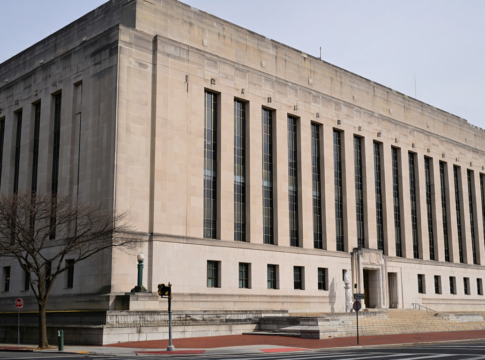
A federal appeals court ruled Tuesday that Chief Judge James Boasberg exceeded his authority by pursuing criminal contempt charges against the Trump administration over 2025 deportation flights, marking a significant victory for executive immigration enforcement powers.
Court Strikes Down Contempt Investigation
The U.S. Court of Appeals for the District of Columbia Circuit found that Boasberg abused his discretion in continuing contempt proceedings against the administration. Circuit Judge Neomi Rao, writing for the majority, stated the government has a clear and indisputable right to end the investigation. The original March 2025 court order did not clearly prohibit transferring Venezuelan migrants into Salvadoran custody, making criminal contempt proceedings legally inappropriate. The ruling addresses fundamental questions about judicial overreach versus executive authority in immigration enforcement.
Background of the Deportation Dispute
The case stems from March 15, 2025, when Boasberg issued a temporary restraining order blocking the transfer of Venezuelan migrants to El Salvador under an 18th century law. Despite this order, two planeloads of migrants departed for El Salvador, where they were detained in facilities described as among the world’s most violent prisons. The administration defended its actions, creating a yearlong legal battle that became central to President Trump’s mass deportation campaign. The White House consistently characterized Boasberg, an Obama appointee, as biased and exceeding judicial boundaries.
Legal Teams Respond to Ruling
Lee Gelernt of the American Civil Liberties Union, representing the deported migrants, announced plans to request a full circuit court review. Gelernt called the decision a blow to the rule of law, arguing the Trump administration willfully violated court orders. Judge Rao, nominated by Trump, and the majority found that criminal contempt requires violation of clear and specific orders. The current case demonstrates why further district court investigation constitutes abuse of discretion, according to the appeals panel. This ruling reinforces executive branch authority over immigration enforcement while limiting judicial intervention in deportation operations.
Constitutional Implications
The decision highlights ongoing tensions between judicial oversight and executive immigration powers. The appeals court emphasized that criminal contempt proceedings require clear, unambiguous orders that the Trump administration allegedly violated. The ruling protects executive decision-making in national security and immigration matters from what the court deemed intrusive judicial investigations. This case establishes important precedent for future disputes between federal courts and presidential administrations over immigration enforcement authority and compliance with judicial orders.