
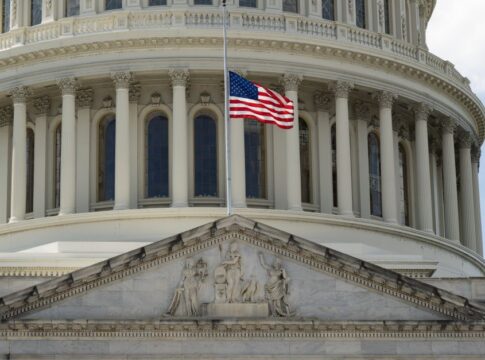
Photo: David Dibert / Pexels
By US Daily Tribune Newsroom, Politics Desk — Published October 3, 2026
Table of Contents
- Key Takeaways
- The Background & Context
- Why This Matters
- Reactions & Analysis
- What Happens Next
- Frequently Asked Questions
In a rare display of unity across party lines, bipartisan members of Congress are taking action to prevent the demolition of the John F. Kennedy Center for the Performing Arts in Washington, D.C. The move comes as reports indicate plans to dismantle the iconic cultural landmark, prompting swift legislative intervention. The Kennedy Center Honors ceremony, traditionally held at the venue, has been relocated to Capital One Arena amid the controversy.
The legislative push represents an unusual convergence of political interests at a time when partisan divisions typically dominate Capitol Hill. Lawmakers from both major parties have signaled their intent to preserve the nationally significant arts institution, which has served as America’s living memorial to President Kennedy since its opening in 1971.
The urgency of the congressional response underscores the cultural and symbolic weight the Kennedy Center carries for the nation. As the debate unfolds, questions about federal stewardship of historic landmarks and the role of government in preserving cultural institutions have moved to the forefront of political discourse.
Key Takeaways
- Bipartisan members of Congress are moving to block proposed demolition plans for the Kennedy Center in Washington, D.C.
- The Kennedy Center Honors ceremony has been shifted to Capital One Arena as the controversy unfolds
- Reports indicate the demolition plans are associated with the Trump administration
- The legislative action represents rare cross-party cooperation on a cultural preservation issue
- The Kennedy Center serves as the nation’s living memorial to President John F. Kennedy and a premier performing arts venue
- The situation raises broader questions about federal responsibility for protecting nationally significant cultural institutions
The Background & Context
The John F. Kennedy Center for the Performing Arts stands as one of Washington’s most recognizable landmarks. Situated along the Potomac River, the modernist structure designed by architect Edward Durell Stone has hosted presidents, world leaders, and millions of arts patrons since its dedication in September 1971.
Congress authorized the center’s construction in 1958 as a living memorial to President Kennedy. The federal government provided land and initial funding, though much of the construction budget came from private donations. This public-private partnership established a unique relationship between the institution and the federal government that continues today.
The Kennedy Center receives annual federal appropriations for maintenance and operations. It houses multiple theaters, including the Opera House, Concert Hall, and Eisenhower Theater. Beyond hosting performances, the center serves educational functions and provides free programming to the public through its Millennium Stage series.
The Kennedy Center Honors, established in 1978, have become one of America’s most prestigious cultural awards. Each year, the ceremony recognizes individuals who have made extraordinary contributions to American culture through the performing arts. Past honorees span generations and genres, from Frank Sinatra to Aretha Franklin, from Steven Spielberg to Meryl Streep.
The decision to relocate this year’s Honors ceremony to Capital One Arena signals the gravity of the current situation. Such a move breaks with decades of tradition and suggests logistical or political complications at the Kennedy Center itself.
Why This Matters
The potential demolition of the Kennedy Center carries implications far beyond the fate of a single building. For many Americans, the center represents a commitment to arts and culture as essential components of national identity.
Federal investment in cultural institutions reflects priorities and values. When Congress originally authorized the Kennedy Center, lawmakers declared that the nation needed a cultural flagship comparable to great performing arts venues in other world capitals. The building itself makes an architectural statement about America’s aspirations during the Cold War era.
Taxpayers have a direct stake in this debate. Federal appropriations support the Kennedy Center’s operations and maintenance. Any decision about its future involves questions about the responsible use of public funds already invested and the government’s role in sustaining cultural infrastructure.
The bipartisan nature of congressional opposition to demolition plans suggests the issue transcends typical partisan divides. Both Democratic and Republican lawmakers appear to recognize the center’s importance to their constituents and to the nation’s cultural landscape.
For Washington, D.C. residents and the regional economy, the Kennedy Center functions as a major cultural anchor and economic driver. The institution attracts visitors, supports jobs, and contributes to the capital’s identity as a world-class city. Its loss would reverberate through the local community.
The controversy also raises questions about executive authority over federally supported institutions. Who has the power to make decisions about landmarks of national significance? What checks exist on such decisions? These constitutional and governance questions matter to citizens concerned about the balance of powers.
Reactions & Analysis
The congressional response has been notably swift and bipartisan. Lawmakers from different ideological backgrounds have found common ground in opposing the demolition plans, though the specific legislative mechanisms being deployed remain under development.
According to reports, the demolition plans are linked to the Trump administration, though details about the rationale and scope of the proposed action have not been fully disclosed. The lack of public explanation for such a dramatic proposal has fueled concern and speculation.
The decision to move the Kennedy Center Honors to Capital One Arena represents a significant logistical and symbolic shift. The sports and entertainment venue can accommodate larger crowds but lacks the intimate grandeur and historical resonance of the Kennedy Center’s Opera House, where the ceremony traditionally takes place.
Cultural leaders and arts advocates have expressed alarm at the prospect of losing a premier national venue. The Kennedy Center’s programming reaches millions annually through performances, broadcasts, and educational initiatives. Its absence would create a void in the nation’s cultural infrastructure that would be difficult to fill.
Preservationists point to the Kennedy Center’s architectural and historical significance. The building represents a particular moment in American modernist design and stands as a physical embodiment of Kennedy-era idealism about culture’s role in society.
What Happens Next
The legislative process will determine whether Congress can effectively block any demolition plans. Lawmakers may pursue several avenues, including appropriations riders, standalone legislation, or amendments to existing laws governing the Kennedy Center’s operations and federal oversight.
The bipartisan support suggests a strong likelihood that protective measures will advance, though the specific form and timing remain uncertain. Congress faces competing priorities and a crowded legislative calendar, but the high profile of this issue may accelerate action.
Public attention will likely intensify as more details emerge about the original demolition plans and the rationale behind them. Transparency about decision-making processes will be crucial for public understanding and trust.
The Kennedy Center’s board of trustees, which includes presidential appointees and congressional members, will play a role in navigating this crisis. The institution’s leadership must balance political pressures while maintaining its mission and operations.
Long-term questions about funding, governance, and the federal government’s relationship with cultural institutions may receive renewed scrutiny. This controversy could prompt broader discussions about how America supports and protects its cultural heritage.
The relocated Honors ceremony will proceed, but the circumstances surrounding the move will cast a shadow over what is typically a celebratory occasion. How the event unfolds may offer clues about the Kennedy Center’s immediate future and the political dynamics at play.
Frequently Asked Questions
What is the Kennedy Center and why is it significant?
The John F. Kennedy Center for the Performing Arts is the nation’s cultural center and living memorial to President Kennedy. Located in Washington, D.C., it serves as a premier venue for performing arts, hosting theater, music, dance, and other cultural events. The center receives federal funding and holds special status as a presidential memorial and national cultural institution.
Why are bipartisan members of Congress trying to block its demolition?
Lawmakers from both parties recognize the Kennedy Center’s national significance and are responding to reports of demolition plans. The bipartisan effort reflects shared concern about preserving an important cultural landmark and federal investment. Congress has historical ties to the institution, having authorized its creation and provided ongoing support through appropriations.
Where will the Kennedy Center Honors take place this year?
The Kennedy Center Honors ceremony has been relocated to Capital One Arena, a sports and entertainment venue in downtown Washington, D.C. This represents a departure from tradition, as the annual event typically takes place in the Kennedy Center’s Opera House. The move appears connected to the ongoing controversy over the center’s future.
What happens if Congress successfully blocks the demolition?
If congressional action succeeds, the Kennedy Center would continue operating as the nation’s performing arts center and presidential memorial. The institution would maintain its programming, federal funding relationship, and role in American cultural life. The legislative intervention would establish precedent for congressional authority over decisions affecting nationally significant cultural institutions.
The coming weeks will reveal whether bipartisan determination can preserve one of America’s most visible cultural institutions. For now, the Kennedy Center stands at the center of an unexpected political drama that touches on history, culture, and the values Americans choose to protect for future generations.