
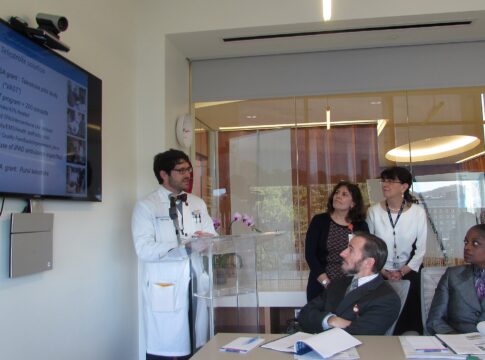
A Connecticut hospital faces a lawsuit after a 26-year-old dental student died while being treated by a doctor who appeared only on a television screen, never physically examining the patient before pronouncing him dead.
Remote Medicine Raises Serious Questions
Conor Hylton, a promising dental student with his future ahead of him, arrived at the Connecticut medical facility seeking treatment. Instead of receiving care from physicians present in the emergency room, he encountered telemedicine technology that kept doctors at a distance. The lawsuit alleges that medical staff relied on remote consultation via video screen throughout his treatment, a practice that has grown increasingly common in American hospitals facing staffing shortages. The legal filing describes the circumstances as dystopian, questioning whether proper medical standards can be maintained when doctors never physically touch or directly examine their patients.
The family’s attorneys argue that Hylton deserved hands-on medical attention during his final hours. Court documents detail how the virtual physician made critical decisions about his care and ultimately declared him deceased, all while appearing on a monitor rather than standing at his bedside. This case highlights growing concerns about telemedicine overreach, particularly in emergency situations where rapid assessment and physical examination prove essential. Medical professionals have debated whether remote consultations should ever replace in-person evaluation for critically ill patients.
Legal Battle Over Medical Standards
The lawsuit targets the hospital’s decision to implement virtual doctor services for emergency care. Hylton’s family seeks accountability for what they characterize as substandard treatment that failed to meet basic medical care expectations. The case could set precedent for how telemedicine gets deployed in emergency departments nationwide, forcing hospitals to reconsider when remote consultation crosses the line from helpful resource to dangerous shortcut. Defense attorneys have not yet publicly responded to the allegations.
Implications For American Healthcare
This tragedy raises fundamental questions about the future of American medicine as hospitals increasingly turn to technology to address physician shortages. While telemedicine expanded dramatically during recent years and offers legitimate benefits for routine consultations, critics warn that emergency rooms represent the wrong venue for remote-only care. The outcome of this lawsuit could influence hospital policies nationwide, potentially requiring facilities to maintain minimum standards for in-person physician presence during critical care situations. Families trust that emergency rooms will provide direct, hands-on medical attention when lives hang in the balance.