
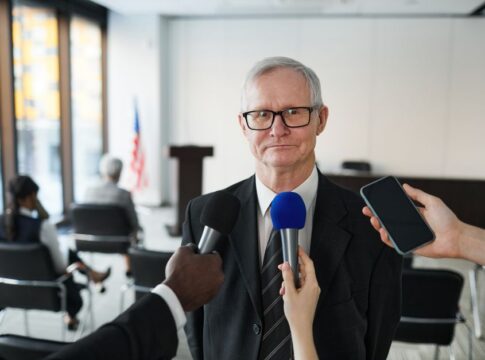
Photo: Werner Pfennig / Pexels
By US Daily Tribune Newsroom, Politics Desk — Published October 19, 2026
Table of Contents
- Key Takeaways
- The Background & Context
- Why This Matters
- Reactions & Analysis
- What Happens Next
- Frequently Asked Questions
The revolving door of White House communications is spinning once again. As a new administration prepares to take shape, the question of who will stand at the podium in the James S. Brady Press Briefing Room looms large. For those who have worked White House communications from the inside, the lessons learned under fire carry weight that extends far beyond daily press briefings and media cycles.
The role of White House press secretary has evolved into one of the most scrutinized positions in American politics. Recent headlines underscore the complex dynamics at play: predictions about the tenure of incoming staff, questions about qualifications, and the delicate balance between loyalty and credibility that defines success in this pressure-cooker environment.
Against the backdrop of contentious elections, polarized politics in Congress, and an increasingly fragmented media landscape, the next press secretary will face challenges that test not just communication skills but judgment, resilience, and the ability to navigate competing demands from the president, the press corps, and the American public.
Key Takeaways
- Veterans of White House communications are offering guidance to the next generation of press secretaries based on experience serving multiple administrations
- Recent reporting highlights concerns about qualifications and vetting processes for key White House communications positions
- Political observers predict significant turnover in senior White House roles following midterm elections, a pattern consistent with historical precedent
- The press secretary role has become increasingly political, requiring navigation of campaign dynamics, legislative battles, and media relations simultaneously
- Questions about credentials and preparation for high-stakes positions reflect broader debates about competence in government communications
The Background & Context
The White House press secretary position has transformed dramatically since its formal establishment in 1929. What began as a relatively straightforward liaison role between the president and a small press corps has mushroomed into a 24/7 communications operation managing everything from cable news cycles to social media firestorms.
Modern press secretaries operate in an environment where a single misstatement can dominate news coverage for days. They must balance competing imperatives: serving the president who appointed them while maintaining enough credibility with journalists to be effective. The job requires mastery of policy details across dozens of issues, from healthcare legislation to foreign policy crises, often with minimal preparation time.
Those who have worked White House communications know the position demands more than just speaking skills. It requires building relationships across the West Wing, understanding the political landscape on Capitol Hill, and anticipating how messages will play not just in Washington but across the country. The press secretary must serve as both spokesperson and strategist, defender and diplomat.
Recent administrations have seen varying approaches to the role. Some press secretaries have held daily briefings; others have scaled back dramatically. Some have maintained adversarial relationships with the press; others have sought collaboration. The effectiveness of each approach remains hotly debated among political observers and former White House staff.
The challenges are compounded by the modern media environment. Traditional print and broadcast outlets now compete with digital platforms, partisan cable networks, and social media for attention and influence. A press secretary must communicate effectively across all these channels simultaneously while maintaining message discipline and factual accuracy.
Why This Matters
For American citizens, the White House press secretary serves as a crucial link to understanding what their government is doing and why. In a democracy, transparency and accountability depend on effective communication between elected officials and the public. When that communication breaks down—whether through evasion, misinformation, or simple incompetence—trust in government erodes.
The stakes extend beyond daily news cycles. How a press secretary handles questions about legislation affects public understanding of laws that impact healthcare, taxes, and civil rights. How they explain foreign policy decisions influences public support for military operations and diplomatic initiatives. How they respond to crises shapes public confidence in government’s ability to protect and serve.
Questions about qualifications and preparation matter because competence in this role has real consequences. A press secretary who lacks deep policy knowledge or fails to properly vet information before disseminating it can mislead millions of Americans. In an era of widespread misinformation, the credibility of official government communications has never been more important.
The political dimensions are equally significant. Press secretaries play key roles in shaping public perception of legislative battles in Congress, defending administration priorities during campaign seasons, and managing communications around elections. Their effectiveness can influence whether the president’s agenda succeeds or fails.
For taxpayers funding government operations, the question of whether senior officials are properly qualified and prepared for their roles is fundamental. The American public deserves communications professionals who can accurately convey complex information, acknowledge mistakes when they occur, and maintain the integrity of the office.
Reactions & Analysis
Political analysts and former White House officials have weighed in on what the next generation of communications staff should prioritize. According to reports, those with experience serving multiple press secretaries emphasize the importance of preparation, credibility, and maintaining relationships both inside and outside the administration.
Recent headlines have also highlighted specific concerns. Reports indicate that questions have been raised about whether certain appointees have met basic professional qualifications, with at least one case involving whether an official had passed the bar exam. Such questions underscore the importance of thorough vetting processes and transparency about credentials.
Former White House Chief of Staff Mick Mulvaney has offered predictions about staffing dynamics in the incoming administration. According to reports, Mulvaney suggested that while some senior officials may initially hold powerful positions, historical patterns suggest significant turnover following midterm elections. This observation aligns with decades of precedent showing that White House staff often depart after the grueling first two years of an administration.
The prediction of post-midterm departures reflects the intense pressure and burnout associated with senior White House roles. Campaign cycles, legislative battles, and constant media scrutiny take their toll. Many officials find that two years of crisis management and eighteen-hour days represent the limit of what they can sustain personally and professionally.
Media observers note that the relationship between the White House and the press corps has become increasingly strained across multiple administrations. Building trust requires consistency, honesty about limitations, and willingness to acknowledge when information is incomplete or evolving. Those who have worked in White House communications emphasize that credibility, once lost, is nearly impossible to regain.
What Happens Next
The coming months will test whoever assumes the press secretary role. Early decisions about briefing frequency, media access, and communication style will set the tone for the entire administration. These choices will be scrutinized by journalists, political opponents, and the public.
Legislative battles loom on the horizon. Congress will debate everything from budget priorities to regulatory reforms. The press secretary will need to explain complex policy positions while defending the administration’s agenda against criticism from across the political spectrum. Success will require deep policy knowledge and the ability to communicate nuance in soundbite-friendly formats.
Campaign dynamics will also shape the communications landscape. Even outside formal election seasons, political considerations influence how the White House frames issues and responds to criticism. The press secretary must navigate these political currents while maintaining enough credibility to be effective.
The prediction of staff turnover following midterms suggests that whoever takes the podium initially may not be there for the long haul. This creates both challenges and opportunities. Short-term thinking can undermine strategic communications planning, but fresh perspectives can also reinvigorate tired messaging.
Longer term, the role of White House press secretary will continue evolving alongside changes in media and politics. Future press secretaries will need to adapt to new platforms, changing public expectations, and the ongoing challenge of maintaining democratic accountability in an age of information overload.
Frequently Asked Questions
What qualifications are required to become White House press secretary?
There are no formal legal requirements for the position, which is appointed by the president without Senate confirmation. However, successful press secretaries typically bring extensive communications experience, deep policy knowledge, political acumen, and the ability to perform under intense pressure. Many have backgrounds in journalism, political campaigns, or previous government communications roles.
How long do White House press secretaries typically serve?
Tenure varies widely, but many press secretaries serve approximately two years before departing. The intense pressure, long hours, and constant scrutiny contribute to burnout. Historical patterns show increased turnover following midterm elections, when administrations often refresh their senior staff.
What is the relationship between the press secretary and the president?
The press secretary serves at the pleasure of the president and functions as the administration’s chief spokesperson. Effectiveness requires regular access to the president and senior staff to stay informed about policy decisions and strategic priorities. The best press secretaries balance loyalty to the president with maintaining credibility with the press corps and public.
How has the role of White House press secretary changed over time?
The position has evolved from a relatively low-profile liaison role to one of the most visible positions in government. Modern press secretaries must manage 24-hour news cycles, social media, and a fragmented media landscape while communicating across multiple platforms simultaneously. The job has become more political and more scrutinized as media coverage of the White House has intensified.
As another administration prepares to take office, the wisdom of those who have stood at the podium carries particular relevance. The advice they offer—grounded in experience navigating crises, managing egos, and maintaining credibility under fire—will shape how the next press secretary approaches one of Washington’s most demanding jobs. For the American public watching from beyond the Beltway, the hope remains that whoever steps into that role will prioritize transparency, accuracy, and the democratic accountability that effective government communications makes possible.