
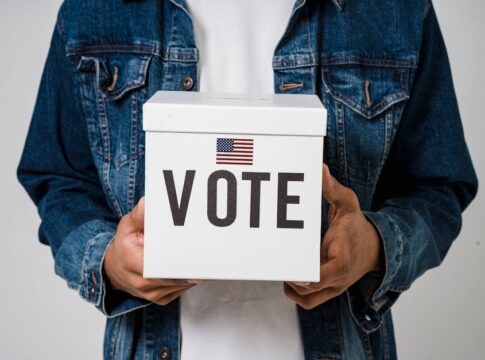
Why Citizen Participation Matters in Politics
Democracy thrives on the active involvement of its citizens. While voting in elections represents the most visible form of political participation, the concept extends far beyond casting a ballot every few years. Citizen participation in politics encompasses a broad spectrum of activities that shape governance, influence policy decisions, and hold leaders accountable. Understanding why this participation matters is essential for maintaining healthy democratic societies and ensuring that governments remain responsive to the needs of the people they serve.
The Foundation of Democratic Legitimacy
At its core, democracy derives its legitimacy from the consent of the governed. When citizens actively participate in political processes, they reinforce the fundamental principle that government authority flows from the people. This participation validates democratic institutions and ensures that elected officials possess genuine mandates to govern. Without robust citizen engagement, democratic systems risk becoming hollow exercises where power concentrates in the hands of elites disconnected from public sentiment.
Political legitimacy requires more than periodic elections. It demands ongoing dialogue between citizens and their representatives, continuous monitoring of government actions, and active participation in policy debates. When citizens disengage from politics, they create a vacuum that special interests, lobbyists, and unelected bureaucrats readily fill, often pursuing agendas that may not align with broader public interests.
Accountability and Transparency
Citizen participation serves as a crucial mechanism for holding government officials accountable. Engaged citizens monitor the actions of their representatives, question policy decisions, and demand explanations for government conduct. This scrutiny encourages transparency and discourages corruption, as officials recognize that an informed and active citizenry will expose misconduct and vote accordingly.
The relationship between participation and accountability operates in multiple directions. Citizens who attend town halls, submit public comments on proposed regulations, contact their representatives, and participate in civic organizations create pressure for responsive governance. These activities signal to elected officials that their constituents are paying attention, making it politically costly to ignore public concerns or engage in unethical behavior.
Better Policy Outcomes
Active citizen participation contributes to more effective and equitable policy outcomes. When diverse voices participate in political discussions, policymakers gain access to a broader range of perspectives, experiences, and expertise. This input helps identify potential problems with proposed policies, suggests alternative approaches, and ensures that legislation addresses real-world concerns rather than abstract theories.
Communities where citizens actively engage in local politics often experience more targeted and effective solutions to local problems. Residents possess intimate knowledge of neighborhood issues, from traffic patterns to educational needs, that outside experts and distant officials may overlook. By participating in planning meetings, school board sessions, and community forums, citizens ensure that policies reflect actual conditions and needs.
Protection of Rights and Interests
Throughout history, citizen participation has proven essential for protecting rights and advancing social progress. Civil rights movements, labor organizations, environmental campaigns, and advocacy groups have all depended on active citizen engagement to challenge unjust laws and promote reforms. When people organize, mobilize, and demand change, they create political pressure that can overcome institutional inertia and entrenched interests.
Passive citizenship allows rights to erode gradually. Without vigilant participation, governments may encroach on freedoms, reduce protections, or implement policies that harm vulnerable populations. Active engagement ensures that citizens can defend their interests and advocate for necessary changes before situations become critical.
Civic Education and Social Capital
Political participation itself serves an educational function. Citizens who engage with political processes develop better understanding of how government works, gain insight into complex policy issues, and learn to evaluate competing claims and arguments. This civic education creates a more informed electorate capable of making sound judgments about candidates, policies, and political debates.
Furthermore, participation builds social capital by connecting citizens with their neighbors and creating networks of civic engagement. These connections strengthen communities, foster cooperation, and create resources for addressing collective challenges. The relationships formed through political participation often extend beyond politics, contributing to broader social cohesion and community resilience.
Forms of Meaningful Participation
Effective citizen participation takes many forms, each contributing uniquely to democratic governance:
- Voting in local, state, and national elections
- Attending public meetings and forums
- Contacting elected representatives about issues and concerns
- Participating in peaceful protests and demonstrations
- Joining civic organizations and advocacy groups
- Submitting comments on proposed regulations and policies
- Volunteering for campaigns and political organizations
- Running for office or serving on appointed boards and commissions
- Engaging in informed discussions about political issues
- Supporting journalism and fact-based media coverage
Overcoming Barriers to Participation
Despite its importance, citizen participation faces numerous obstacles. Time constraints, complex registration procedures, limited access to information, and feelings of political inefficacy discourage many from engaging with politics. Addressing these barriers requires systemic reforms, including simplified voter registration, accessible meeting times, clear communication from government agencies, and civic education programs that empower citizens to participate effectively.
Technology offers both opportunities and challenges for political participation. Digital platforms can reduce barriers by enabling remote participation in meetings, facilitating communication with representatives, and providing access to government information. However, digital divides and concerns about online misinformation require careful attention to ensure technology enhances rather than undermines democratic participation.
Conclusion
Citizen participation represents far more than a civic duty; it constitutes the lifeblood of democratic governance. Active engagement legitimizes democratic institutions, holds officials accountable, improves policy outcomes, protects rights, educates the public, and strengthens communities. While barriers to participation exist, the stakes are too high to accept widespread disengagement. Democracy cannot survive on autopilot—it requires the continuous, active involvement of informed and engaged citizens. The health of democratic societies depends not on the actions of politicians alone, but on the willingness of ordinary citizens to participate in shaping their collective future.