
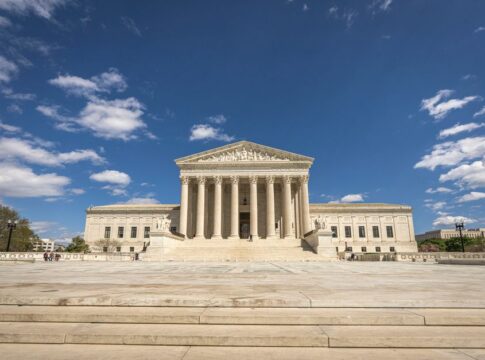
Photo: Mark Stebnicki / Pexels
By US Daily Tribune Newsroom, National Desk — Published August 26, 2026
Table of Contents
- Key Takeaways
- The Background & Context
- Why This Matters
- Reactions & Analysis
- What Happens Next
- Frequently Asked Questions
The Trump administration has turned to the nation’s highest court in an unusual legal maneuver, asking the Supreme Court to allow construction of a White House ballroom to proceed despite legal challenges. The request puts Trump officials, the Supreme Court, and questions of executive authority at the center of a dispute that touches on presidential prerogatives, federal property management, and the limits of judicial intervention in White House operations.
The move comes as construction on the controversial ballroom project faces legal obstacles. According to multiple reports, the administration filed an emergency application with the Supreme Court seeking permission to continue work on the facility while broader legal questions remain unresolved. The Court has issued a preliminary response allowing the project to move forward temporarily, though the final outcome remains uncertain.
At stake is not merely a construction project but a test of how much deference the judiciary will grant to presidential decisions about White House facilities and operations. The case raises questions about separation of powers, the scope of executive authority, and whether courts can or should intervene in decisions about federal property when those decisions involve the seat of executive power itself.
Key Takeaways
- Trump administration officials have filed an emergency request with the Supreme Court to allow White House ballroom construction to continue amid legal challenges.
- The Supreme Court has issued a preliminary ruling allowing the construction to proceed temporarily while the case moves forward.
- The dispute centers on questions of executive authority over White House property and the extent of judicial oversight of presidential facility decisions.
- The case represents a broader test of separation of powers between the executive and judicial branches of the federal government.
- Legal experts are watching closely to see whether the Court will grant broad deference to presidential prerogatives or impose limits on executive decision-making regarding federal property.
- The temporary green light from the Supreme Court does not resolve the underlying legal questions, which remain subject to further litigation and final court determination.
The Background & Context
Presidential authority over White House operations has long been considered expansive. Chief executives typically enjoy wide latitude in managing the executive mansion and its grounds, from renovations to security enhancements. This deference stems from both practical considerations and constitutional principles recognizing the president’s unique role as head of state and chief executive.
Yet that authority is not unlimited. Courts have occasionally stepped in when presidential actions raise questions about statutory compliance, environmental review, or other legal requirements that apply even to the executive branch. The tension between executive prerogative and legal constraint forms the backdrop of this latest dispute.
The ballroom project itself has generated controversy. While details of the specific legal challenges remain limited in available reporting, the fact that opponents succeeded in halting construction—at least temporarily—suggests they raised substantial legal questions. Those questions were significant enough to prompt the administration to seek emergency relief from the Supreme Court rather than proceed through lower courts.
Emergency applications to the Supreme Court are reserved for situations where parties face imminent harm or where delay would cause irreparable injury. The Trump administration’s decision to invoke this procedure signals that officials view continued construction delays as unacceptable, whether for practical, political, or symbolic reasons.
Why This Matters
For American taxpayers and citizens, this case carries implications that extend far beyond a single construction project. The dispute tests fundamental questions about how our government operates and who gets to make decisions about federal property and resources.
First, there are practical considerations. White House facilities serve not just the first family but also host state functions, diplomatic events, and official ceremonies that represent the nation. Any construction or renovation project affects the government’s ability to conduct these functions. Delays cost money. They disrupt planning. They can complicate diplomatic protocol.
Second, the case illuminates the balance of power between branches of government. If courts can readily halt White House construction projects, what other presidential decisions become subject to judicial micromanagement? Conversely, if presidents enjoy unfettered authority over executive mansion operations, what safeguards exist against waste, environmental damage, or violations of federal law?
Third, the Supreme Court’s handling of the request reveals how the justices view their role in disputes involving the executive branch. A Court that grants broad deference to presidential prerogatives sends one message about separation of powers. A Court that subjects White House decisions to rigorous judicial scrutiny sends quite another.
The temporary nature of the Court’s current ruling—allowing construction to proceed “for now”—suggests the justices recognize both the urgency of the administration’s concerns and the legitimacy of the underlying legal questions. This middle path preserves the status quo while ensuring that important constitutional and statutory issues receive full consideration.
Reactions & Analysis
Legal scholars and government watchdogs are following the case with keen interest. The Supreme Court’s willingness to intervene, even temporarily, indicates that the justices view the matter as sufficiently serious to warrant their attention outside the normal appellate process.
The decision to allow construction to continue while legal challenges proceed suggests the Court found merit in the administration’s argument that delays would cause harm. This interim ruling does not, however, indicate how the justices might ultimately resolve the underlying legal questions. Supreme Court emergency orders often focus narrowly on preventing immediate harm rather than addressing broader legal principles.
Critics of unchecked executive authority may view the case as emblematic of presidential overreach. If the White House can proceed with controversial construction projects despite legal challenges, they argue, what constraints exist on executive decision-making? The answer may lie in the distinction between temporary relief and final judgment—the Court has allowed work to continue but has not validated the administration’s legal position.
Defenders of executive prerogative, meanwhile, likely see the case as vindication of presidential authority over White House operations. From this perspective, courts should hesitate before second-guessing decisions about executive mansion facilities. The president, after all, bears ultimate responsibility for managing the executive branch and ensuring its facilities meet operational needs.
What Happens Next
The Supreme Court’s temporary ruling buys time but resolves nothing permanently. The underlying legal dispute will continue to work its way through the judicial system unless parties reach a settlement or the Court issues a definitive ruling on the merits.
Several scenarios could unfold. The Court might eventually hear full arguments and issue a comprehensive opinion addressing the scope of presidential authority over White House property. Such a ruling would provide clarity not just for this project but for future disputes involving executive facilities and operations.
Alternatively, the case might become moot if construction finishes before courts resolve the legal questions. This outcome would leave important constitutional issues unaddressed, potentially setting the stage for similar disputes in future administrations.
Lower courts will also play a role. While the Supreme Court has allowed construction to proceed temporarily, the case presumably continues in district or appeals courts where judges will examine the specific legal claims raised by challengers. Those rulings could either support the administration’s position or impose new constraints on the project.
Political dynamics may influence the trajectory as well. Public opinion, congressional oversight, and media scrutiny can all affect how aggressively parties pursue litigation and whether they seek compromise solutions.
Whatever the outcome, the case will contribute to the evolving body of law governing presidential authority, federal property management, and the relationship between executive prerogative and judicial review. Future administrations, regardless of party, will look to this dispute as precedent when they face similar challenges.
Frequently Asked Questions
What exactly is the Trump administration asking the Supreme Court to do?
The administration has filed an emergency application requesting that the Supreme Court allow construction of a White House ballroom to continue while legal challenges to the project proceed through the courts. The request seeks to prevent delays that officials argue would harm the project and the government’s interests.
Has the Supreme Court made a final decision on the ballroom construction?
No. The Court has issued a temporary ruling allowing construction to proceed for now, but this does not represent a final judgment on the underlying legal questions. The case remains subject to further litigation and the Court could revisit its position as the legal dispute continues.
Why does this case matter beyond just one construction project?
The dispute tests fundamental questions about presidential authority over White House operations and the extent to which courts can intervene in executive branch decisions about federal property. The outcome will shape the balance of power between the executive and judicial branches and could affect how future administrations manage White House facilities.
What legal issues are at the heart of this dispute?
While specific details are limited in available reporting, the case appears to involve questions about the scope of presidential authority over White House property, whether certain legal requirements apply to executive mansion construction projects, and the appropriate role of courts in reviewing decisions about presidential facilities and operations.
As construction equipment continues its work and legal briefs pile up in court chambers, this seemingly straightforward dispute about a ballroom has become a window into deeper questions about power, authority, and the American system of checks and balances. The hammers and saws will eventually fall silent, but the legal and constitutional questions they’ve raised will echo through future administrations.