
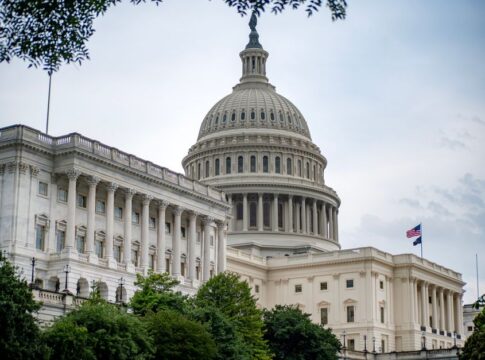
Photo: Ramaz Bluashvili / Pexels
By US Daily Tribune Newsroom, National Desk — Published October 12, 2026
Table of Contents
- Key Takeaways
- The Background & Context
- Why This Matters
- Reactions & Analysis
- What Happens Next
- Frequently Asked Questions
The Department of Justice is defending a controversial White House decision to ban certain news outlets from press access, invoking national security concerns and the need to manage midterm election coverage. The legal battle, which pits the federal government against media organizations challenging the exclusion, raises fundamental questions about press freedom and executive power. Trump cites national security and election coverage priorities as justification for limiting which journalists can cover official events.
The case has landed in federal court, where the DOJ is urging judges to reject a lawsuit brought by excluded news organizations. The government’s defense rests on claims that the executive branch retains broad discretion over who gains access to White House grounds and official briefings. Civil liberties advocates warn the precedent could reshape the relationship between the press and the presidency for years to come.
At stake is more than just which reporters sit in the briefing room. The dispute tests constitutional boundaries between the First Amendment’s press protections and the executive branch’s authority to control access to federal facilities and officials. For American voters who depend on robust journalism to hold government accountable, the outcome carries significant implications.
Key Takeaways
- The Department of Justice is defending the White House’s ban on certain news outlets from press events, citing national security and midterm election coverage as justifications.
- Federal courts are being asked to reject lawsuits filed by excluded media organizations challenging the ban’s constitutionality.
- The government argues it has broad executive discretion to determine which journalists receive White House press credentials and access.
- Press freedom advocates contend the ban violates First Amendment protections and sets a dangerous precedent for government control over media access.
- The legal battle could establish lasting precedent affecting how future administrations manage relationships with the press corps.
- The dispute highlights tensions between executive authority and constitutional protections for a free press in the American system of government.
The Background & Context
Press access to the White House has long been a carefully managed but generally open arrangement. For decades, credentialed journalists from a wide spectrum of news organizations have covered presidential activities, briefings, and announcements. The system, while never perfect, operated on an understanding that diverse media representation serves the public interest in a functioning democracy.
That equilibrium has faced unprecedented strain in recent years. Tensions between the executive branch and certain media outlets escalated into open conflict, with accusations of “fake news” becoming commonplace. What began as rhetorical sparring evolved into concrete actions limiting press access. Some news organizations found their reporters excluded from briefings, their credentials revoked, or their questions ignored during official events.
The current legal fight represents the formalization of these disputes. Rather than informal pressure or temporary exclusions, the White House implemented what affected news organizations characterize as a systematic ban. The administration, through the Department of Justice, now defends these actions in federal court as legitimate exercises of executive authority.
National security has become a central pillar of the government’s legal argument. Officials contend that controlling access to sensitive areas and information requires discretion over who receives credentials. They point to the executive branch’s constitutional responsibilities for national defense and foreign policy as areas where press access cannot be unlimited or automatic.
The midterm election coverage angle adds another dimension. The government suggests that managing the flow of information during critical electoral periods falls within legitimate executive functions. This argument has drawn sharp criticism from those who see it as precisely the kind of government control over political coverage that the First Amendment was designed to prevent.
Why This Matters
For ordinary Americans, this dispute might seem like an inside-the-Beltway squabble among elites. Nothing could be further from the truth. The outcome will directly affect the quality and diversity of information citizens receive about their government’s actions.
When the executive branch can selectively exclude news organizations, it gains power to shape public perception by controlling which journalists witness and report on official activities. Favored outlets get access; critical ones get shut out. The result is a less informed electorate and weakened accountability mechanisms that democracy requires to function properly.
The national security justification deserves particular scrutiny. While genuine security concerns sometimes necessitate limiting press access to specific operations or classified information, using national security as blanket authority to exclude entire news organizations is different. It risks normalizing secrecy and expanding executive power beyond constitutional bounds.
Taxpayers fund the White House, the federal government, and the salaries of officials who work there. Citizens have a legitimate interest in knowing what their government does in their name. When press access shrinks, so does public visibility into how tax dollars are spent and how policies are made. The Supreme Court has long recognized that the press serves as a proxy for the public, asking questions and demanding answers that individual citizens cannot.
The implications extend beyond any single administration. Legal precedents established now will constrain or empower future presidents. If courts uphold broad executive discretion to ban news outlets, every subsequent administration inherits that power. The temptation to silence critics and reward allies becomes institutionalized.
Reactions & Analysis
Legal experts are divided on the government’s chances of prevailing. Some constitutional scholars argue that the White House, as a physical facility under executive control, allows the president significant discretion over access. Others counter that once the government creates a press credentialing system, it cannot administer it in ways that discriminate based on viewpoint or editorial stance.
First Amendment advocates have mobilized in opposition to the ban. They see it as a direct assault on press freedom and a test case for how much control government can exert over journalism. Organizations spanning the political spectrum, from traditional civil liberties groups to journalism associations, have filed friend-of-the-court briefs supporting the excluded news outlets.
The defense presented by the Department of Justice relies heavily on arguments about executive prerogative. Government lawyers contend that courts should defer to presidential judgment on matters touching national security and the functioning of the executive branch. They warn that judicial intervention could hamper the president’s ability to manage the White House and protect sensitive information.
Media organizations challenging the ban paint a different picture. They argue that the exclusions are arbitrary, viewpoint-based, and designed to punish critical coverage while rewarding favorable reporting. The pattern of which outlets face restrictions, they contend, reveals a political rather than security-based motivation.
Congressional response has largely followed partisan lines, though some members from both parties have expressed concern about press freedom implications. The legislative branch’s ability to intervene remains limited, as the dispute centers on executive authority and constitutional interpretation—questions ultimately for the courts to resolve.
What Happens Next
Federal judges now face difficult decisions balancing competing constitutional values. They must weigh the president’s legitimate need to manage White House operations and protect national security against the First Amendment’s protections for a free press. The answers are not obvious, and legal precedent offers ammunition for both sides.
If courts side with the government, the immediate effect will be to validate the current exclusions and establish that future presidents enjoy similar discretion. News organizations might respond by intensifying coverage from outside the White House, relying on sources, leaks, and alternative methods to report on executive branch activities. The relationship between press and presidency would become more adversarial and less transparent.
Should judges rule against the ban, the government faces a choice: comply with court orders restoring access, or appeal to higher courts including potentially the Supreme Court. Given the constitutional questions involved, this dispute seems destined for extensive litigation regardless of initial rulings. The Supreme Court may ultimately need to clarify the boundaries of executive power over press access.
The broader political climate will shape how this controversy unfolds. Public opinion about press credibility and government transparency influences both the legal arguments parties make and the political pressure officials face. In an era of deep polarization and declining trust in institutions, finding consensus on these fundamental questions becomes increasingly difficult.
Future administrations will inherit whatever precedents emerge from this litigation. The rules established now about press access, national security justifications, and executive discretion will outlast current officeholders. That reality should focus attention on the long-term institutional implications rather than short-term political advantages.
Frequently Asked Questions
What legal authority does the White House have to ban news outlets?
The executive branch argues it has broad discretion to manage access to White House facilities and control who receives press credentials. However, this authority is not unlimited. Courts have ruled that once a credentialing system exists, it cannot be administered in ways that discriminate based on viewpoint or violate First Amendment protections. The current legal battle seeks to determine where exactly those boundaries lie.
How does national security justify restricting press access?
The government contends that protecting classified information and securing sensitive areas requires control over who enters the White House and attends briefings. National security responsibilities give the president authority to limit access when genuine security concerns exist. Critics argue that banning entire news organizations goes beyond legitimate security measures and instead represents viewpoint discrimination disguised as security policy.
Can excluded news organizations still cover the White House?
Yes, but with significant limitations. Reporters can cover the White House from public areas, rely on official statements and press releases, and cultivate sources willing to provide information. However, they lose the ability to attend briefings, ask direct questions of officials, and witness events firsthand. This diminishes the quality and immediacy of their coverage compared to organizations with full access.
What role will the Supreme Court play in resolving this dispute?
The Supreme Court may eventually hear appeals in this case, particularly given the significant constitutional questions about press freedom and executive authority. However, the Court only takes a small fraction of cases appealed to it. Lower federal courts will first rule on the dispute, and only if those decisions are appealed and the Supreme Court agrees to hear the case will the nation’s highest court weigh in definitively.
This legal battle will unfold over months or years, but its resolution will shape American democracy for far longer. How courts balance executive authority against press freedom determines whether future generations of citizens receive the independent, diverse journalism that accountability requires. The stakes extend far beyond any single news organization or administration to touch the foundations of self-government itself.