
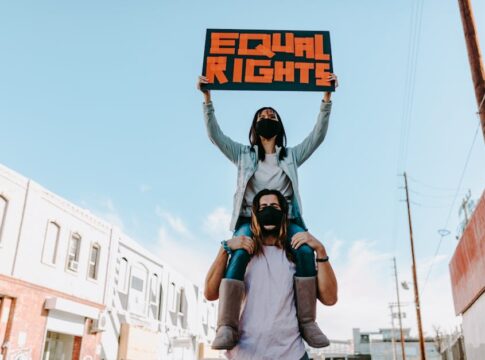
How Political Protests Drive Legislative Change
Political protests have served as a cornerstone of democratic expression and social transformation throughout modern history. From the streets of major cities to the halls of government, organized demonstrations have repeatedly proven their capacity to influence policy decisions and catalyze legislative reform. Understanding the mechanisms through which protests translate into concrete legal changes provides valuable insight into the dynamics of democratic governance and civic engagement.
The Fundamental Relationship Between Protests and Legislation
At its core, the connection between political protests and legislative change operates through several interconnected pathways. Protests amplify marginalized voices, generate sustained media attention, and create political pressure that legislators cannot easily ignore. When citizens take to the streets in significant numbers, they signal to elected officials that the status quo has become untenable and that failing to address grievances may carry electoral consequences.
The visibility of protests serves a crucial function in democratic systems. Large-scale demonstrations make issues impossible to dismiss or overlook, forcing them onto the legislative agenda even when political leaders might prefer to avoid controversial topics. This visibility extends beyond immediate participants to reach broader segments of the population through media coverage, social networks, and public discourse.
Historical Examples of Protest-Driven Legislative Success
History provides numerous compelling examples of protests directly contributing to significant legislative achievements. The civil rights movement of the 1950s and 1960s exemplifies how sustained protest action can overcome entrenched opposition and produce landmark legislation. The Montgomery Bus Boycott, lunch counter sit-ins, and the March on Washington created irresistible momentum that culminated in the Civil Rights Act of 1964 and the Voting Rights Act of 1965.
Similarly, the labor movement’s persistent demonstrations and strikes throughout the early twentieth century led to fundamental reforms in workplace safety, minimum wage standards, and collective bargaining rights. These protests transformed abstract demands into concrete legal protections that continue to benefit workers today.
More recently, demonstrations following high-profile incidents of police violence have resulted in legislative reforms at local, state, and federal levels. Many jurisdictions have enacted new policies regarding body cameras, use-of-force standards, and civilian oversight boards in direct response to sustained protest movements.
Mechanisms of Influence
Electoral Pressure
One of the most direct ways protests influence legislation is by creating electoral pressure on incumbent politicians. When large numbers of constituents demonstrate unified support for or opposition to specific policies, legislators must weigh the political costs of ignoring these demands. Protests signal voting bloc formation and can preview electoral consequences, motivating politicians to align their positions with demonstrator demands to preserve their seats.
Agenda Setting
Protests excel at pushing issues onto the legislative agenda that might otherwise languish in obscurity. By generating media coverage and public discussion, demonstrations elevate specific concerns above the noise of competing priorities. This agenda-setting function proves particularly valuable for issues affecting marginalized communities that lack traditional lobbying resources or political access.
Shifting Public Opinion
Sustained protests can fundamentally reshape public opinion on contentious issues. As demonstrations persist and organizers articulate clear messages, broader segments of the population often become sympathetic to protester demands. This evolution in public sentiment creates political space for legislative action that previously seemed impossible. Legislators who might have feared voter backlash for supporting certain reforms find growing constituencies willing to support change.
Coalition Building
Protest movements frequently serve as catalysts for coalition building among diverse groups sharing common interests. These coalitions can translate street-level activism into sophisticated lobbying operations, combining grassroots energy with insider political knowledge. The resulting hybrid organizations prove particularly effective at navigating legislative processes and securing concrete policy victories.
Factors That Determine Protest Effectiveness
Not all protests successfully drive legislative change. Several factors distinguish effective movements from those that fail to achieve their policy objectives:
- Clear Demands: Movements with specific, achievable legislative goals prove more successful than those with vague or unrealistic demands. Precision allows legislators to understand exactly what policy changes would satisfy protesters.
- Sustained Mobilization: Single demonstrations rarely produce lasting change. Sustained campaigns that maintain pressure over weeks, months, or years prove far more effective at overcoming legislative inertia and opposition.
- Strategic Timing: Protests timed to coincide with legislative sessions, elections, or relevant events maximize their political impact and increase the likelihood of success.
- Nonviolent Discipline: Research consistently demonstrates that nonviolent movements achieve their objectives more frequently than violent ones, partly because nonviolence maintains public sympathy and prevents backlash narratives.
- Diverse Participation: Movements that attract participants from across demographic and geographic lines signal broader social support and create greater political pressure than narrow, homogeneous movements.
- Media Strategy: Effective movements understand how to generate and sustain favorable media coverage, using it to amplify their messages and expand their influence beyond immediate participants.
Challenges and Limitations
Despite their demonstrated capacity to influence legislation, protests face significant obstacles. Entrenched interests often mobilize substantial resources to resist change, employing counter-messaging campaigns and lobbying efforts to maintain the status quo. Legislative processes themselves can dilute or delay reforms through committee procedures, amendments, and compromises.
Additionally, the gap between protester demands and enacted legislation frequently disappoints activists. Political realities often necessitate compromises that fall short of movement goals, creating tension between pragmatic incremental progress and more radical transformation.
Conclusion
Political protests remain a vital mechanism through which citizens can drive legislative change in democratic societies. By creating electoral pressure, setting political agendas, shifting public opinion, and building powerful coalitions, well-organized movements transform street-level activism into concrete policy reforms. While success requires strategic planning, sustained commitment, and favorable political conditions, history demonstrates that determined citizens wielding the right to peaceful assembly can indeed reshape the laws that govern their lives. Understanding these dynamics empowers both activists seeking change and citizens seeking to comprehend how democratic systems respond to popular demands.