
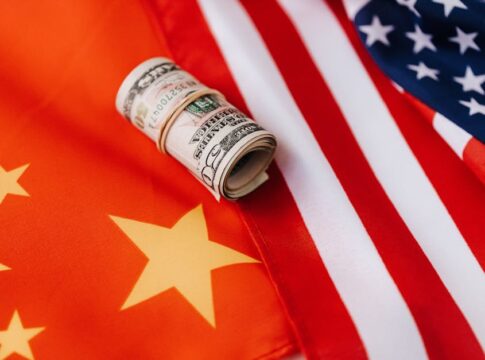
How Diplomacy Shapes International Relations
Diplomacy stands as one of the most fundamental pillars of international relations, serving as the primary mechanism through which nations communicate, negotiate, and resolve conflicts. Throughout history, diplomatic efforts have prevented wars, forged alliances, facilitated trade agreements, and shaped the global order. Understanding how diplomacy functions and influences international relations is essential for comprehending the complex dynamics that govern interactions between nations in the modern world.
The Foundation of Diplomatic Practice
At its core, diplomacy represents the art and practice of conducting negotiations between representatives of states or international organizations. It encompasses a wide range of activities, from formal treaty negotiations to informal dialogues, and serves as the peaceful alternative to military conflict. Diplomatic channels provide nations with structured methods to advance their interests, protect their citizens abroad, and engage with the international community on matters of mutual concern.
The practice of diplomacy relies heavily on established protocols, international law, and mutual respect for sovereignty. Diplomatic missions, including embassies and consulates, serve as permanent representations of one country within another, facilitating ongoing communication and cooperation. These institutions enable nations to maintain continuous dialogue, even during periods of tension or disagreement, thereby preserving channels for peaceful resolution of disputes.
Key Functions of Diplomacy in International Relations
Conflict Prevention and Resolution
One of diplomacy’s most critical roles involves preventing and resolving conflicts between nations. Through diplomatic negotiations, countries can address grievances, clarify misunderstandings, and find mutually acceptable solutions before tensions escalate into armed conflict. Mediators and diplomatic envoys often facilitate discussions between opposing parties, helping them identify common ground and develop compromises that protect vital interests while maintaining peace.
International organizations such as the United Nations provide multilateral forums where diplomatic efforts can address global conflicts. Security Council resolutions, peacekeeping missions, and special envoy appointments all represent diplomatic tools designed to manage and resolve international disputes. The success of these initiatives often depends on the skill of diplomats in building consensus and negotiating agreements acceptable to all parties involved.
Treaty Negotiation and International Agreements
Diplomacy enables nations to establish formal agreements that govern their relationships and cooperation on specific issues. Treaties covering topics such as trade, environmental protection, nuclear nonproliferation, and human rights require extensive diplomatic negotiation to balance competing interests and establish enforceable commitments. These agreements create predictable frameworks for international behavior and provide mechanisms for accountability and dispute resolution.
The negotiation process itself often involves multiple rounds of discussions, with diplomats working to reconcile different national priorities and legal systems. Successful treaty negotiations demonstrate diplomacy’s capacity to transform competing interests into shared commitments that benefit the international community as a whole.
Economic Relations and Trade Diplomacy
Economic diplomacy has become increasingly important in shaping international relations. Nations use diplomatic channels to negotiate trade agreements, resolve commercial disputes, and coordinate economic policies. Diplomats work to create favorable conditions for their countries’ businesses abroad while managing economic relationships that affect domestic prosperity and global stability.
Trade negotiations exemplify how diplomacy balances national economic interests with broader international cooperation. Bilateral and multilateral trade agreements require careful diplomatic work to address tariffs, market access, intellectual property rights, and regulatory standards. The outcomes of these negotiations significantly impact global economic integration and the distribution of economic benefits across nations.
Modern Challenges in Diplomatic Practice
Multilateral Diplomacy and Global Governance
The complexity of contemporary global challenges requires multilateral diplomatic approaches involving numerous countries and international organizations. Issues such as climate change, terrorism, pandemic response, and cybersecurity transcend national borders and demand coordinated international action. Multilateral diplomacy seeks to build consensus among diverse nations with varying interests, capabilities, and perspectives.
International institutions serve as venues for multilateral diplomacy, providing platforms where nations can negotiate collective responses to shared challenges. However, achieving meaningful agreements in multilateral settings proves difficult due to the diversity of participants and the requirement for broad consensus. Diplomatic skill in building coalitions and crafting compromise language becomes essential for progress on global issues.
Public Diplomacy and Soft Power
Beyond traditional government-to-government interactions, public diplomacy has emerged as a crucial component of international relations. Nations seek to influence foreign publics and shape international perceptions through cultural exchanges, educational programs, media engagement, and digital communications. This form of diplomacy aims to build goodwill, enhance national reputation, and create favorable conditions for achieving foreign policy objectives.
The concept of soft power—the ability to attract and persuade rather than coerce—relies heavily on effective public diplomacy. Countries invest in broadcasting services, cultural institutes, and exchange programs to project positive images and values internationally. Success in public diplomacy can facilitate smoother diplomatic negotiations and strengthen bilateral relationships.
The Impact of Technology on Diplomatic Relations
Digital technology has fundamentally transformed diplomatic practice and international relations. Instant communication enables real-time coordination between capitals and diplomatic missions, accelerating decision-making processes. Social media platforms provide new channels for diplomatic messaging but also create challenges as unofficial communications and misinformation can complicate traditional diplomatic efforts.
Cyber diplomacy has emerged as a specialized field addressing issues related to internet governance, cybersecurity, and digital rights. Nations must navigate questions of sovereignty, security, and freedom in the digital realm through diplomatic engagement and international norm-building. The rapid evolution of technology continues to create new diplomatic challenges and opportunities that shape international relations in unprecedented ways.
Conclusion
Diplomacy remains indispensable to international relations, providing the mechanisms through which nations pursue their interests peacefully and cooperatively. From preventing conflicts to negotiating complex international agreements, diplomatic efforts shape the global order and influence the daily lives of billions of people. As international challenges grow more complex and interconnected, the role of skilled diplomacy in managing relationships between nations becomes increasingly critical. The future of international relations will continue to depend on the ability of diplomats to bridge differences, build consensus, and craft solutions that promote peace, prosperity, and cooperation across borders.