
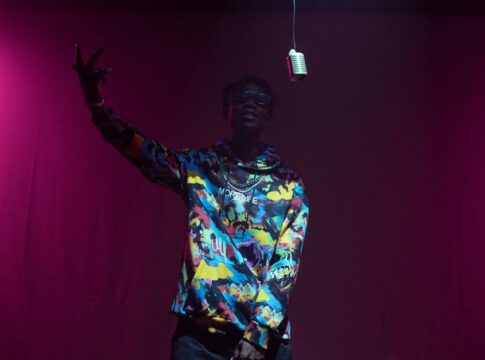
Photo: cottonbro studio / Pexels
By US Daily Tribune Newsroom, Entertainment Desk — Published September 14, 2026
Table of Contents
- Key Takeaways
- The Background & Context: When Fashion Became Content
- Why This Matters: Fashion as Cultural Currency
- Reactions & Analysis: Industry and Public Response
- What Happens Next: The Future of Fashion in Entertainment
- Frequently Asked Questions
In an era where a single red carpet appearance can dominate social media for weeks and costume choices in streaming hits become instant Halloween trends, one American designer is quietly orchestrating the visual language of modern entertainment. This designer shaping culture operates at the intersection where fashion meets film, television, and celebrity—a space that has become increasingly influential as pop culture consumption accelerates across digital platforms.
The power of a single garment to define a cultural moment has never been more potent. From streaming series that generate billions of viewing hours to award shows that trend worldwide within minutes, the clothes worn by actors and celebrities have transcended mere costume design. They’ve become conversation starters, memes, and aspirational symbols that ripple through society with unprecedented speed.
This phenomenon reflects a broader shift in how Americans consume entertainment and engage with fashion. What was once the exclusive domain of haute couture runways has democratized into a participatory culture where viewers screenshot, share, and shop looks they see on their screens—often within hours of an episode dropping or a premiere concluding.
Key Takeaways
- A US-based designer has emerged as a central figure in shaping the visual aesthetic of contemporary pop culture across film, television, and celebrity appearances
- The fashion industry’s relationship with entertainment has intensified as streaming platforms and social media amplify the reach and impact of on-screen looks
- Viral fashion moments now translate into immediate cultural conversations, with designs achieving iconic status faster than ever before
- The designer’s influence extends beyond traditional costume design into broader cultural commentary and trend-setting
- Historical fashion moments, such as Princess Diana’s celebrated “revenge dress,” continue to resonate and command significant auction estimates, demonstrating the enduring power of culturally significant garments
- Contemporary fashion trends, including evolving menswear standards, reflect the designer’s broader impact on how Americans dress and perceive style
The Background & Context: When Fashion Became Content
The relationship between fashion and entertainment has always existed, but the digital age has fundamentally transformed its dynamics. Twenty years ago, a memorable costume might earn critical acclaim and perhaps influence next season’s runway collections. Today, that same look can become a global phenomenon before the credits roll.
Streaming platforms have amplified this effect exponentially. With services like Netflix, HBO Max, and Apple TV+ releasing content to global audiences simultaneously, fashion moments achieve instant worldwide visibility. A single episode can generate millions of screenshots, TikTok recreations, and Pinterest boards within twenty-four hours.
The designer at the center of this cultural shift operates in a uniquely American context—one where entertainment industry influence intersects with fashion innovation and social media virality. This convergence has created new pathways for designers to impact not just what characters wear on screen, but what real people aspire to wear in their daily lives.
Fashion’s role in pop culture extends beyond new creations. Iconic historical pieces continue to captivate public imagination and command extraordinary valuations. Princess Diana’s famous “revenge dress” recently returned to auction with an estimated value of $300,000, according to reports. The black Christina Stambolian gown, worn by Diana on the same evening Prince Charles admitted his infidelity in a televised interview, represents how a single fashion choice can crystallize a cultural moment and retain its power decades later.
This historical context illuminates why contemporary designers who successfully capture cultural zeitgeists wield such influence. They’re not merely creating clothes—they’re crafting visual narratives that audiences interpret, discuss, and incorporate into their own identity expressions.
Why This Matters: Fashion as Cultural Currency
For American audiences, the intersection of fashion and entertainment represents more than superficial style trends. It reflects deeper currents in how we communicate identity, aspiration, and belonging.
The economic implications are substantial. The fashion industry contributes hundreds of billions to the US economy annually, and entertainment-driven trends directly impact consumer spending patterns. When a designer creates a viral look, it doesn’t just influence high-fashion boutiques—it cascades through fast fashion retailers, online marketplaces, and DIY communities, affecting purchasing decisions across economic strata.
Consider the cultural ripple effects. A well-designed costume on a popular streaming series can revive interest in specific eras, silhouettes, or aesthetics. This happened with period dramas that sparked renewed interest in vintage fashion, and with contemporary shows that made certain brands or styles suddenly ubiquitous on city streets nationwide.
The designer’s influence also intersects with broader conversations about representation and accessibility in fashion. As pop culture becomes more diverse and inclusive, the clothing choices made for characters and celebrities carry weight in representing different communities, body types, and cultural backgrounds to mainstream audiences.
Recent shifts in menswear demonstrate this cultural impact. Reports indicate that men’s trouser lengths are “all over the place,” reflecting a moment of experimentation and boundary-pushing in traditionally conservative menswear. This evolution doesn’t happen in a vacuum—it’s shaped by what men see on screen, on red carpets, and in celebrity street style, all areas where influential designers exert considerable sway.
Reactions & Analysis: Industry and Public Response
The fashion industry has taken notice of designers who successfully bridge entertainment and style. Traditional fashion houses increasingly collaborate with costume designers and stylists, recognizing that a strategic placement in the right film or series can generate more brand awareness than a traditional advertising campaign.
Critics and fashion journalists have begun analyzing on-screen fashion with the same rigor once reserved for runway shows. Publications now regularly feature deep dives into the costume choices of popular series, interviewing designers about their creative processes and the cultural references embedded in their work.
Social media has democratized fashion criticism, allowing everyday viewers to participate in conversations about what they see on screen. This participatory culture means designers receive immediate feedback—both praise and critique—from audiences who feel invested in the characters and stories these clothes help tell.
The auction market’s response to culturally significant garments provides tangible evidence of fashion’s cultural value. When a dress like Princess Diana’s revenge ensemble commands a $300,000 estimate, it validates the notion that certain fashion moments transcend their original context to become historical artifacts worthy of preservation and study.
Retail data supports the influence of entertainment-driven fashion trends. Fast fashion companies now employ teams dedicated to rapidly producing versions of viral looks from popular shows and celebrity appearances, recognizing consumer demand for accessible versions of high-profile designs.
What Happens Next: The Future of Fashion in Entertainment
The trajectory suggests even deeper integration between fashion design and entertainment production. As streaming platforms compete for subscriber attention, distinctive visual aesthetics become crucial differentiators. Shows with memorable, trend-setting fashion gain additional cultural cachet and longevity.
Technology will likely accelerate these trends. Virtual fashion shows, augmented reality try-ons, and direct-from-screen shopping capabilities are already emerging. Future viewers might click on a character’s outfit during an episode and purchase it immediately, collapsing the distance between inspiration and acquisition.
Designers who understand this evolving landscape position themselves not just as creators of beautiful garments, but as cultural translators who can anticipate what will resonate with audiences across demographics and platforms. Their work shapes not only what we watch, but how we present ourselves to the world.
The conversation around menswear evolution and the continued fascination with historical fashion moments like Diana’s revenge dress suggest audiences crave both innovation and connection to fashion’s storytelling power. Designers who can deliver both—creating fresh, viral-worthy looks while honoring fashion’s narrative traditions—will continue shaping pop culture’s visual landscape.
Environmental and ethical considerations will also influence this space. As consumers become more conscious of fashion’s environmental impact, designers working in entertainment face pressure to balance creativity with sustainability, potentially pioneering new approaches that could influence the broader industry.
Frequently Asked Questions
How does a fashion designer influence pop culture?
Fashion designers influence pop culture by creating memorable looks for films, television shows, music videos, and celebrity appearances that capture public imagination and spark trends. When a design resonates with audiences, it can inspire consumer fashion choices, generate social media conversations, and become part of the cultural lexicon. Designers working in entertainment have unique opportunities to reach massive audiences simultaneously through streaming platforms and social media, allowing their work to achieve viral status and influence how millions of people think about style and self-expression.
Why do certain fashion moments become culturally significant?
Fashion moments become culturally significant when they align with broader narratives that resonate emotionally with audiences. Princess Diana’s revenge dress, for example, represented empowerment and defiance during a highly publicized personal crisis, transforming a garment into a symbol. Similarly, contemporary designs become iconic when they capture the spirit of a beloved character, reflect social movements, or challenge conventional aesthetics in ways that feel timely and meaningful. The combination of visual impact, emotional resonance, and narrative context elevates fashion from mere clothing to cultural commentary.
How has streaming changed fashion’s role in entertainment?
Streaming platforms have amplified fashion’s role in entertainment by delivering content to global audiences simultaneously and enabling immediate social media response. Unlike traditional television where fashion moments unfolded gradually across weekly episodes and regional broadcasts, streaming allows entire seasons to drop at once, creating concentrated cultural conversations around costume choices. The ability to pause, screenshot, and share specific looks has transformed viewers into active participants in fashion discourse, while algorithms and recommendation systems help fashion-forward shows find audiences who appreciate distinctive visual aesthetics.
What makes a designer successful in the pop culture space?
Success in pop culture fashion design requires understanding character development, narrative arc, and audience psychology alongside technical design skills. Designers must anticipate what will photograph well, translate across different screen sizes and platforms, and resonate with diverse audiences. They need to balance creativity with practical production constraints, work collaboratively with directors and actors, and increasingly consider how designs will perform on social media. The most successful designers create looks that serve the story while possessing standalone visual power that transcends their original context.
As entertainment continues evolving and fashion’s cultural influence expands, the designers who shape what we see on screen shape how we see ourselves. Their work reminds us that clothing is never just fabric and thread—it’s a language we all speak, whether we’re conscious of it or not. In an increasingly visual culture where entertainment permeates daily life through countless screens and platforms, those who master this language wield remarkable power to influence not just trends, but the very way we express identity and aspiration in modern America.