
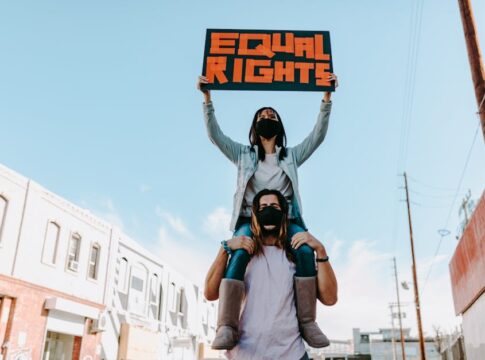
Daily Digest: Political Protests and Movements
Political protests and movements have served as catalysts for social change throughout human history, representing the collective voice of citizens demanding reform, justice, and accountability from their governments. These organized demonstrations of public dissent continue to shape democratic discourse and influence policy decisions across the globe. Understanding the dynamics, motivations, and impacts of political protests provides essential insight into the evolving relationship between citizens and their governing institutions.
The Nature and Purpose of Political Protests
Political protests encompass a wide range of activities designed to express opposition to or support for specific policies, leaders, or systemic issues. These demonstrations serve multiple purposes within democratic societies, functioning as mechanisms for public participation beyond the ballot box. Protests amplify marginalized voices, draw attention to overlooked issues, and create pressure for institutional change when traditional political channels prove insufficient or inaccessible.
The fundamental right to peaceful assembly and free expression forms the cornerstone of democratic participation. When citizens organize protests, they exercise these constitutional protections to engage directly with political processes, communicate grievances, and demand accountability from elected officials and institutions. This direct action often serves as a barometer of public sentiment on contentious issues, providing real-time feedback to policymakers about the priorities and concerns of their constituents.
Forms and Strategies of Modern Movements
Contemporary political movements employ diverse tactics to achieve their objectives, adapting to technological advances and changing social landscapes. Traditional methods remain relevant, while new strategies continue to emerge.
Traditional Protest Methods
- Marches and demonstrations in public spaces
- Sit-ins and occupations of symbolic locations
- Strikes and work stoppages
- Boycotts of products, services, or institutions
- Petition campaigns and letter-writing initiatives
- Public rallies and speeches
Digital Age Activism
The advent of social media and digital communication has fundamentally transformed how political movements organize and operate. Online platforms enable rapid mobilization, allowing organizers to coordinate large-scale demonstrations with unprecedented speed and efficiency. Digital activism extends the reach of movements beyond geographical boundaries, facilitating global solidarity networks and international awareness campaigns.
Hashtag campaigns, viral videos, and coordinated social media actions have become powerful tools for raising awareness and generating public discourse around political issues. These digital strategies complement traditional street protests, creating multi-platform movements that engage diverse audiences through various channels. The documentation and live-streaming of protests via smartphones and social media platforms have also increased transparency and accountability, making it more difficult for authorities to suppress information about demonstrations.
Historical Impact and Contemporary Examples
Throughout history, political protests have achieved significant victories and catalyzed substantial policy reforms. The civil rights movement, labor movements, women’s suffrage campaigns, and anti-apartheid demonstrations exemplify how sustained collective action can dismantle unjust systems and expand democratic rights. These historical precedents provide blueprints for contemporary activists while demonstrating the long-term commitment often required to achieve meaningful change.
Recent years have witnessed numerous large-scale movements addressing issues ranging from climate change and economic inequality to racial justice and democratic governance. These movements often transcend national borders, reflecting the interconnected nature of contemporary political challenges. The global scale of modern protests demonstrates increasing awareness that many political issues require coordinated international responses and solidarity across diverse communities.
Challenges Facing Political Movements
Despite their historical significance and democratic legitimacy, political protests face numerous obstacles that can impede their effectiveness and sustainability. Understanding these challenges is crucial for both participants and observers of contemporary movements.
Organizational Difficulties
Maintaining cohesion within diverse movements presents ongoing challenges. Differences in ideology, strategy, and priorities can fragment coalitions and dilute messaging. Effective movements must balance inclusivity with coherence, ensuring that diverse voices are heard while maintaining focus on core objectives. Leadership structures, decision-making processes, and resource allocation require careful management to sustain momentum and avoid internal conflicts.
State Response and Repression
Government responses to protests vary widely, ranging from protection of assembly rights to active suppression of demonstrations. Authorities may employ crowd control measures, surveillance, arrests, or legal restrictions to limit protest activities. The balance between maintaining public order and protecting civil liberties remains contested terrain in many jurisdictions. Activists must navigate these constraints while asserting their rights to peaceful assembly and free expression.
Media Representation
How protests are portrayed in media coverage significantly influences public perception and political impact. Movements must contend with potential misrepresentation, selective coverage, or dismissal of their concerns. Controlling narrative and messaging in an fragmented media landscape requires strategic communication and media literacy. The rise of alternative media platforms has provided movements with greater autonomy over their messaging, though mainstream media coverage remains influential in shaping broader public opinion.
Measuring Success and Long-term Impact
Evaluating the success of political protests requires looking beyond immediate policy changes to consider broader cultural and institutional impacts. While some movements achieve rapid, visible victories, others contribute to gradual shifts in public consciousness and political norms that may take years or decades to fully materialize.
Successful movements often create lasting infrastructure for continued activism, including new organizations, networks, and trained activists who continue advocacy work long after specific protests conclude. They may also shift political discourse, bringing previously marginalized issues into mainstream debate and forcing politicians to address concerns they might otherwise ignore.
The Future of Political Activism
As societies confront complex challenges including climate change, technological disruption, and evolving democratic norms, political protests and movements will continue serving as vital mechanisms for citizen engagement and institutional accountability. The methods may evolve, incorporating new technologies and strategies, but the fundamental impulse to organize collectively for political change remains constant. Understanding these movements and their role in democratic systems helps citizens engage more effectively with political processes and contributes to more responsive, accountable governance.