
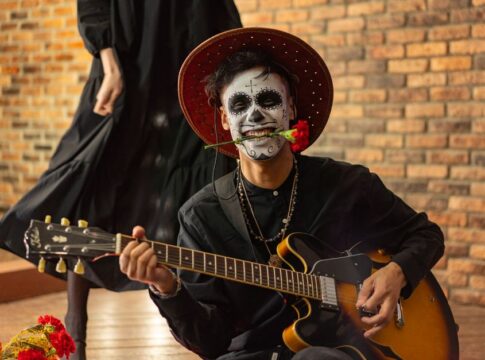
Photo: Mikhail Nilov / Pexels
By US Daily Tribune Newsroom, Entertainment Desk — Published October 24, 2026
Table of Contents
- Key Takeaways
- The Background & Context
- Why This Matters
- Reactions & Analysis
- What Happens Next
- Frequently Asked Questions
As October approaches and Halloween fever grips the nation, Americans are once again turning to the year’s biggest entertainment moments for costume inspiration. From blockbuster movies to viral streaming sensations, 2024’s pop culture landscape offers a treasure trove of recognizable characters that promise to dominate trick-or-treat streets and costume parties across the country. This year’s culture inspired Halloween costume trends reflect a diverse mix of music icons, beloved TV characters, and cinematic favorites that have captured the public imagination.
The annual ritual of choosing the perfect Halloween costume has become increasingly intertwined with our consumption of entertainment media. What we watch, stream, and obsess over throughout the year inevitably shapes what we wear come October 31st. Industry observers note that costume retailers and DIY enthusiasts alike are mining 2024’s most memorable pop culture moments for creative inspiration, turning red carpet looks and character wardrobes into accessible Halloween attire.
This convergence of streaming culture, box office hits, and social media virality has created an unusually rich field for costume ideas this season. Whether drawing from chart-topping musicians, iconic film villains, or beloved television personalities, Halloween 2024 promises to be a showcase of the year’s most influential entertainment moments.
Key Takeaways
- Pop culture figures from 2024 are driving Halloween costume trends, with entertainment personalities and fictional characters leading the way
- Music icons like Sabrina Carpenter are emerging as popular costume choices, reflecting the year’s dominant entertainment narratives
- Classic film and TV characters, including Miranda Priestly from “The Devil Wears Prada,” remain enduring Halloween favorites
- The intersection of streaming platforms, movies, and social media is creating a diverse palette of recognizable costume options
- Costume trends increasingly reflect year-round engagement with pop culture rather than just seasonal horror themes
- Both high-effort character recreations and accessible DIY options are gaining traction among Halloween celebrants
The Background & Context
Halloween costume culture has undergone a dramatic transformation over the past two decades. What was once dominated by generic witches, ghosts, and vampires has evolved into a sophisticated reflection of our collective entertainment consumption. The rise of streaming platforms has accelerated this shift, giving audiences year-round access to characters and personalities that previously might have faded from memory between theatrical releases.
The 2024 costume landscape builds on this foundation. According to reports highlighting this year’s trends, pop culture figures are commanding unprecedented attention in Halloween planning. The phenomenon speaks to how deeply entertainment media has woven itself into American cultural fabric. We don’t just watch shows and movies anymore; we inhabit them, discuss them endlessly on social media, and ultimately embody them through costume.
This year’s standout figures span multiple entertainment sectors. Sabrina Carpenter, whose music and public persona have dominated headlines and streaming charts, represents the crossover between music celebrity and costume inspiration. Meanwhile, Miranda Priestly—the imperious fashion magazine editor immortalized by Meryl Streep nearly two decades ago—demonstrates the enduring power of iconic film characters to transcend their original release dates.
The costume industry has responded to these shifting preferences with increasing sophistication. Major retailers now track entertainment trends throughout the year, preparing inventory that reflects not just horror staples but whatever has captured the zeitgeist. Independent costume creators and DIY enthusiasts have flourished on platforms like TikTok and Instagram, sharing tutorials that democratize access to elaborate character recreations.
Why This Matters
The evolution of Halloween costumes from traditional horror fare to pop culture celebrations reflects broader changes in how Americans engage with entertainment and community. For families, the shift means Halloween has become more inclusive and accessible. Children and adults who might not enjoy scary themes can now participate fully by dressing as beloved characters from their favorite shows and movies.
Economically, the trend represents significant consumer spending. The National Retail Federation has consistently reported that Halloween generates billions in annual revenue, with costumes representing a substantial portion of that spending. When costume choices align with current entertainment trends, they drive additional revenue across multiple industries—from streaming services that see renewed interest in featured properties to fashion retailers whose designs inspire costume recreations.
Culturally, Halloween costumes serve as a barometer of our collective attention. The characters and personalities we choose to embody reveal what stories resonate most deeply, which performers have captured our imagination, and which entertainment moments have achieved true cultural penetration. A Halloween dominated by specific pop culture figures tells us something meaningful about the year we’ve experienced together.
For the entertainment industry itself, Halloween costume trends offer valuable feedback. Properties that inspire widespread costume adoption have clearly achieved a level of cultural impact that transcends typical viewership metrics. Studios and streaming platforms increasingly view Halloween as an informal referendum on which of their offerings have truly connected with audiences.
Reactions & Analysis
Entertainment industry observers have noted the increasingly symbiotic relationship between content creators and Halloween culture. Streaming platforms now time releases to maximize potential costume impact, understanding that a character introduced in late summer has optimal time to permeate public consciousness before October.
Social media has amplified this dynamic exponentially. Costume ideas spread virally, with users sharing their interpretations and inspiring others. The hashtag ecosystem around Halloween costumes has become a massive collaborative project, with millions of Americans contributing their takes on trending characters and personalities. This crowdsourced creativity has raised the bar for costume execution while simultaneously making inspiration more accessible.
Fashion industry professionals have also weighed in on the trend toward pop culture costumes. The recreation of specific outfits worn by celebrities and characters has introduced many Americans to fashion details and styling techniques they might not otherwise encounter. When someone attempts to recreate Miranda Priestly’s signature look or Sabrina Carpenter’s stage outfits, they’re engaging with fashion in a hands-on, creative way.
Retailers report that customers increasingly arrive with specific reference images, seeking to match exact details from their chosen characters. This specificity has pushed costume quality higher while also creating opportunities for budget-conscious shoppers to source pieces from regular clothing retailers rather than dedicated costume shops.
What Happens Next
As Halloween 2024 approaches, expect to see these pop culture-inspired costumes dominate social media feeds and neighborhood streets. The trends established this year will likely influence costume design and marketing for years to come, as the industry continues adapting to consumer preferences for entertainment-based rather than purely horror-themed options.
Looking ahead to future Halloween seasons, the integration of entertainment and costume culture will likely deepen. Virtual reality and augmented reality technologies may soon allow for even more elaborate character recreations. Streaming platforms might develop official costume guides for their most popular properties, recognizing the promotional value of widespread character adoption.
The sustainability conversation is also beginning to touch Halloween costumes. As consumers become more environmentally conscious, there’s growing interest in costumes that can be assembled from existing wardrobe pieces or reused across multiple years. Pop culture costumes, particularly those based on characters with distinctive but wearable styles, align well with these sustainability goals.
For the entertainment industry, Halloween increasingly represents an opportunity for extended engagement with audiences. Properties that inspire costume adoption enjoy renewed attention and discussion, potentially driving viewership and merchandise sales well beyond their initial release windows.
Frequently Asked Questions
What makes a pop culture costume successful for Halloween?
A successful pop culture Halloween costume balances recognizability with creativity. The best choices reference characters or personalities that have achieved broad cultural awareness throughout the year, ensuring that others will understand your reference. Successful costumes also work within the wearer’s budget and skill level, whether that means elaborate recreations or clever DIY interpretations using accessible materials and clothing items.
How early should I start planning a pop culture-inspired Halloween costume?
Costume planning timelines vary based on complexity and sourcing needs. For elaborate character recreations requiring specific pieces or custom elements, starting in late August or early September provides adequate time for ordering, alterations, and assembly. Simpler costumes based on recognizable outfits or styling can often be pulled together in the weeks immediately before Halloween, particularly if you’re willing to shop your own closet or visit thrift stores for components.
Are pop culture costumes appropriate for all ages?
Pop culture offers costume inspiration across all age groups and appropriateness levels. The key is selecting characters and personalities that align with the wearer’s age and the context where the costume will be worn. Family-friendly entertainment properties provide abundant options for children, while adults can draw from the full spectrum of entertainment media. Many families enjoy coordinating group costumes around shared pop culture favorites that span generations.
How can I make a pop culture costume more affordable?
Budget-conscious costume creators can employ several strategies to reduce costs while maintaining recognizability. Shop your existing wardrobe first, identifying pieces that approximate your chosen character’s style. Thrift stores and consignment shops offer affordable options for specific clothing items. Focus on one or two signature elements that make the character instantly recognizable rather than attempting perfect recreation of every detail. DIY accessories using craft supplies often cost a fraction of purchased alternatives while allowing for creative personalization.
As Americans prepare to celebrate Halloween 2024, the influence of entertainment media on costume choices has never been more apparent. From music stars to movie icons, this year’s pop culture-inspired costumes reflect our ongoing love affair with the stories and personalities that shape our shared cultural experience. Whether you’re recreating a beloved character’s signature look or putting your own spin on a trending personality, Halloween remains the one night when we can all step into the entertainment we’ve enjoyed throughout the year.