
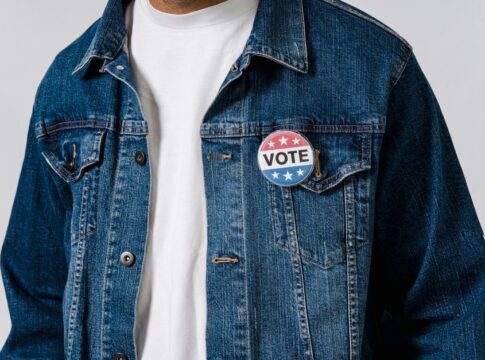
Photo: Sora Shimazaki / Pexels
By US Daily Tribune Newsroom, Entertainment Desk — Published October 22, 2026
Table of Contents
- Key Takeaways: How Culture Influences Politics Today
- The Background & Context
- Why This Matters
- Reactions & Analysis
- What Happens Next
- Frequently Asked Questions
Turn on any streaming service, scroll through social media, or walk past a movie theater, and you’ll see it: entertainment isn’t just about escape anymore. The lines separating pop culture from political discourse have blurred so dramatically that what we watch, listen to, and share now shapes how we vote, protest, and understand democracy itself. From musicians signing with major labels to release politically charged anthems to the fundamental principles of representation debated in public forums, culture influences politics in ways both subtle and seismic.
This intersection matters more than ever. Americans spend an average of several hours daily consuming entertainment media. What messages are embedded in those hours? How do TV shows, movies, and music videos frame our understanding of justice, equality, and civic participation? These aren’t abstract questions for academics. They’re lived realities affecting election outcomes, social movements, and the very health of democratic institutions.
The relationship runs both ways. Politics infiltrates our entertainment, and entertainment reshapes our politics. Recent developments illustrate this dynamic vividly, from artists using their platforms to comment on democratic principles to scholars examining how representation functions in modern society.
Key Takeaways: How Culture Influences Politics Today
- Pop culture serves as a primary vehicle through which millions of Americans, especially younger citizens, engage with political ideas and democratic concepts.
- Musicians and artists increasingly use their platforms and record releases to make explicit political statements, bringing discussions of democracy directly to entertainment consumers.
- The representation of political themes in movies, TV shows, and streaming content shapes public perception of governance, equality, and civic participation.
- Academic institutions are studying the mechanics of how entertainment media influences democratic engagement and political behavior.
- The convergence of entertainment and politics creates both opportunities for civic education and risks of oversimplification or manipulation.
- Understanding this relationship helps citizens become more critical consumers of both entertainment and political messaging.
The Background & Context
The marriage of politics and entertainment isn’t new. Protest songs fueled the civil rights movement. Hollywood blacklists defined the Cold War era. Television debates changed presidential campaigns forever in 1960. But today’s landscape differs in scale and speed. Streaming platforms deliver content instantly to global audiences. Social media amplifies political messages embedded in entertainment at viral velocity.
Colorado State University has examined this phenomenon, exploring the mechanisms through which pop culture influences political attitudes and democratic participation. Their research acknowledges that entertainment media now functions as a primary source of political information for many citizens, particularly those under forty who increasingly bypass traditional news outlets.
The music industry provides a clear example. Lost Souls Movement, a band navigating the intersection of art and activism, recently signed with Fearless Records and released a new single titled “Democracy Manifest.” The choice of title and label backing signals how mainstream entertainment infrastructure now supports explicitly political content. This isn’t fringe anymore. Major labels recognize that political engagement sells, and artists recognize that their platforms carry civic responsibility.
Meanwhile, foundational concepts of democracy itself remain subjects of ongoing analysis. Britannica’s examination of democracy emphasizes representation, equality, and participation as core pillars. These aren’t just textbook terms. They’re the very themes that movies, television series, and popular music explore, reinterpret, and sometimes distort for mass audiences.
Consider how streaming shows depict government corruption, how superhero films frame questions of justice and accountability, or how reality television portrays competition and fairness. Each representation carries implicit messages about how power should work, who deserves a voice, and what democracy means in practice.
Why This Matters
The stakes are concrete. Research consistently shows that entertainment media influences political attitudes, especially among young and less politically engaged citizens. A teenager who never watches cable news might still absorb messages about justice from a Netflix drama. A voter who skips newspaper op-eds might form opinions about immigration from a popular song.
This matters for several reasons. First, it affects turnout. When entertainment makes political participation seem meaningful or futile, cool or cringe-worthy, it influences whether citizens vote, volunteer, or tune out entirely. Second, it shapes issue priorities. The problems that entertainment highlights become the problems audiences care about. Third, it frames solutions. How pop culture depicts activists, politicians, and institutions teaches viewers what change looks like and who can create it.
The quality of democratic discourse depends partly on how well citizens understand complex issues. Entertainment can illuminate or obscure. A well-researched political thriller might help audiences grasp surveillance debates. A simplistic portrayal might reduce nuanced policy questions to good-versus-evil narratives that don’t serve democratic deliberation.
There’s also a manipulation risk. When political actors understand entertainment’s power, they attempt to harness it. Propaganda doesn’t always look like propaganda anymore. It looks like a trending music video, a viral movie clip, or a binge-worthy series that happens to carry a particular ideological message.
For the US public, this means developing media literacy isn’t optional. Citizens must recognize when entertainment is shaping their political views and evaluate those messages critically. Democracy functions best when voters make informed choices based on accurate information, not just emotional responses to compelling narratives.
Reactions & Analysis
Scholars studying this phenomenon have noted both optimistic and concerning trends. On one hand, politically engaged entertainment can educate and mobilize. It makes abstract concepts tangible. It reaches audiences that traditional political communication misses. It can inspire genuine civic participation.
The decision by artists like Lost Souls Movement to explicitly title work “Democracy Manifest” and secure major label distribution suggests that the music industry sees commercial viability in political content. This represents a shift from eras when labels feared controversy might limit market appeal. Today’s audiences, particularly younger demographics, often expect artists to take stands.
Academic analysis of democratic principles—representation, equality, participation—provides a framework for evaluating entertainment’s political messages. Does a particular show promote inclusive representation or reinforce stereotypes? Does it encourage active participation or cynical disengagement? These questions help audiences move beyond simple enjoyment to critical consumption.
Critics worry that entertainment’s dominance in political discourse favors emotion over reason, personality over policy, and spectacle over substance. When politics becomes just another form of entertainment, does it lose the seriousness that democratic governance requires? When citizens expect political figures to be as compelling as TV characters, do we elect leaders for the wrong reasons?
Others counter that this critique is elitist. Entertainment has always been how most people engage with big ideas. Shakespeare’s plays were popular entertainment that also grappled with power, justice, and governance. Today’s streaming dramas serve similar functions for mass audiences.
What Happens Next
The convergence of entertainment and politics will intensify. Streaming platforms compete for subscribers by producing provocative content, and political themes generate buzz. Musicians recognize that taking stands builds fan loyalty. Actors and directors increasingly see their work as vehicles for social commentary.
This creates opportunities and obligations. Educational institutions may need to teach media literacy more explicitly, helping students analyze political messages in entertainment. Journalists might need to cover entertainment through a political lens more seriously, recognizing its influence. Citizens themselves must become more sophisticated consumers, enjoying entertainment while recognizing its persuasive dimensions.
Technology will accelerate these trends. Artificial intelligence can personalize political messages within entertainment. Virtual reality might create immersive political experiences. Social media will continue fragmenting audiences into communities that consume different entertainment and therefore absorb different political worldviews.
The challenge for democracy is ensuring that this entertainment-politics fusion serves civic health rather than undermining it. That requires transparency about when entertainment carries political messages, diversity in the perspectives represented, and audiences capable of critical engagement.
Upcoming elections will test these dynamics. Candidates already use entertainment platforms and entertainment techniques. The campaigns that win may be those that best understand how pop culture shapes political perception. Whether that leads to better governance or just better political theater remains an open question.
Frequently Asked Questions
How does pop culture actually influence voting behavior?
Entertainment media influences voting through several mechanisms. It shapes which issues seem important, how voters perceive different demographic groups, and whether political participation seems worthwhile. Studies show that exposure to political themes in entertainment can increase political knowledge, shift attitudes on specific issues, and affect turnout, especially among younger voters who consume more entertainment media than traditional news.
Is the mixing of entertainment and politics good or bad for democracy?
The answer is complex. Entertainment can make politics more accessible, engaging citizens who might otherwise ignore civic affairs. It can educate and inspire. However, it can also oversimplify complex issues, prioritize emotional appeal over factual accuracy, and blur the line between informed citizenship and passive spectatorship. The effect depends on the quality of the content and the critical thinking skills of the audience.
Why are more musicians and artists making explicitly political work?
Several factors drive this trend. Younger audiences increasingly expect artists to address social issues. Social media allows artists to build communities around shared values, not just musical taste. Political content generates media attention and streaming engagement. Additionally, many artists genuinely feel compelled to use their platforms to address issues they care about, viewing silence as complicity in an era of significant political tension.
What can citizens do to consume entertainment critically?
Critical consumption involves recognizing that entertainment often carries political messages, whether intentional or not. Ask questions while watching: Whose perspectives are represented? What solutions are portrayed as effective? What assumptions about power and justice underlie the narrative? Seek diverse entertainment sources rather than staying in ideological bubbles. Discuss what you watch with others who might interpret it differently. Recognize emotional manipulation techniques while still enjoying the entertainment value.
As Americans navigate an increasingly complex media landscape, understanding how culture influences politics becomes essential civic literacy. The entertainment we consume shapes the democracy we inhabit. Recognizing that power means we can engage with both more thoughtfully, enjoying our shows and songs while remaining clear-eyed about their broader influence on our political world.