
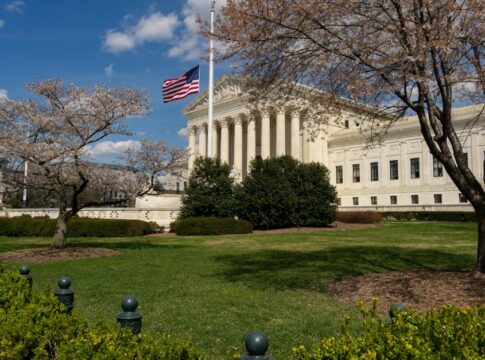
The Supreme Court cleared the way Monday for potential implementation of President Trump’s executive order restricting mail-in voting just weeks before the 2026 midterm elections, though the ruling stopped short of declaring the controversial order legal.
Court Dismisses State Challenge on Technical Grounds
The conservative majority ruled that 23 states and the District of Columbia lacked legal standing to challenge Trump’s March executive order. The unsigned decision explicitly noted that dismissing the states’ lawsuit does not validate any government actions taken under the order. The majority wrote that whether such measures prove lawful remains to be seen, leaving the door open for future legal challenges on different grounds.
Justice Ketanji Brown Jackson authored a sharp dissent joined by the two other liberal justices, warning the ruling creates what she described as a nightmare scenario for election-related legal challenges. New York Attorney General Letitia James called the decision a painful setback but promised continued legal resistance, declaring it would not represent the final word on the matter.
Executive Order Targets Mail Ballot Distribution
Trump’s executive order requires his administration to compile lists of eligible voters and instructs the U.S. Postal Service to deliver mail ballots exclusively to individuals appearing on those federal lists. New requirements issued Friday would prohibit the Postal Service from handling mail ballots from any state refusing to comply with the directive, potentially creating widespread disruption to established voting procedures across the country.
Derek Muller, a Notre Dame University law professor, characterized the ruling as just the opening phase of what he expects will become a rapid series of legal battles. The administration now faces decisions about how aggressively to implement the order with midterm elections approaching. Both the Postal Service and White House declined immediate comment on implementation plans or timelines.
Constitutional Questions Remain Unresolved
Democratic officials who brought the lawsuit argued the Constitution grants states and Congress authority over election administration, making Trump’s federal intervention unconstitutional. The Supreme Court’s ruling on standing rather than merits means these fundamental constitutional questions remain unanswered. The decision creates uncertainty about mail voting procedures nationwide while preserving pathways for additional legal challenges that could freeze implementation or prompt further Supreme Court review before voters head to the polls this November.