
By US Daily Tribune Newsroom, Politics Desk — Published October 11, 2026
Table of Contents
- Key Takeaways
- The Background & Context
- Why This Matters
- Reactions & Analysis
- What Happens Next
- Frequently Asked Questions
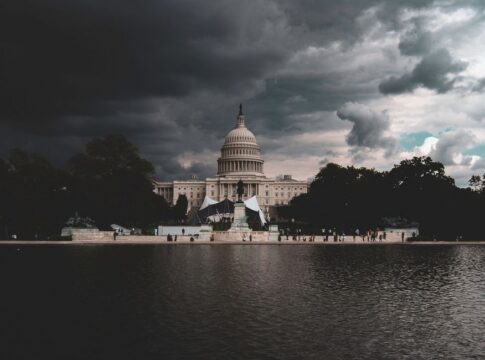
Across kitchen tables and factory floors, in suburban cul-de-sacs and city centers, Americans are expressing a deepening anxiety about the direction of the country. This american mood turning sour has become the defining feature of the political landscape as voters prepare to cast ballots in what could be a pivotal midterm election cycle. The sentiment shift appears poised to reshape the balance of power in Congress, with early indicators suggesting Republicans may face unexpected headwinds despite historical patterns that typically favor the party out of power during a president’s first term.
The confluence of economic concerns, legislative battles, and shifting voter priorities has created an electoral environment unlike any in recent memory. While conventional wisdom long held that the party controlling the White House suffers in midterms, the current campaign season has defied expectations. Democrats have maintained competitive positioning in key battleground districts, a development that has caught political observers and campaign strategists by surprise.
This unexpected dynamic reflects a fundamental recalibration of American politics. Voters are weighing multiple crises simultaneously—economic pressures, social divisions, and questions about democratic institutions themselves. The outcome will determine not just which party controls the legislative agenda, but how effectively Washington can address the concerns keeping millions of Americans awake at night.
Key Takeaways
- The american mood turning darker has created an unpredictable electoral environment heading into the midterm elections, with Republicans facing potential losses despite traditional advantages.
- Democrats have maintained a clear advantage in recent polling with less than a month remaining before voters head to the polls, defying historical patterns.
- Battleground tracker polls show Democrats holding House advantages even as voters express significant concern about rising prices and economic conditions.
- The campaign landscape has been shaped by multiple competing issues, from inflation and cost of living to questions about governance and representation in Congress.
- Voter sentiment reflects deep anxiety about the nation’s direction, creating volatility that makes traditional election forecasting models less reliable.
- Both parties face the challenge of addressing constituent concerns while mobilizing their respective bases in what promises to be a closely watched election.
The Background & Context
Midterm elections have historically functioned as a referendum on the party in power. Since World War II, the president’s party has lost an average of 26 House seats in midterm cycles. This pattern reflects a well-documented tendency for voters to seek balance, checking the power of whichever party controls the executive branch.
The current political climate, however, has scrambled these familiar formulas. Multiple crises have converged to create a more complex electoral calculus. Economic disruptions have left families struggling with higher costs for groceries, gasoline, and housing. Legislative gridlock has frustrated voters seeking solutions to pressing problems. And broader questions about the functioning of democratic institutions have added another layer of uncertainty to the political conversation.
Campaign strategists on both sides have found themselves navigating uncharted territory. Traditional messaging strategies built on decades of electoral data suddenly seem less applicable. The issues that typically dominate midterm campaigns—local concerns, candidate quality, party loyalty—now compete with larger questions about national direction and systemic challenges.
The Republican Party entered the campaign season with confidence, expecting economic anxiety to translate into electoral gains. The opposition party’s usual advantages seemed amplified by genuine voter concerns about inflation and purchasing power. Yet as the election draws closer, the expected wave has failed to materialize with the force many anticipated.
Democrats, meanwhile, have worked to shift the conversation beyond purely economic metrics. Their campaign efforts have emphasized legislative accomplishments, contrasts in governing philosophy, and appeals to voters concerned about specific policy directions. This multi-front approach appears to have resonated in ways that have kept races competitive even in districts once considered safe Republican territory.
Why This Matters
The stakes extend far beyond partisan scorekeeping. Control of Congress determines which legislation reaches the president’s desk, which investigations proceed, and how effectively the federal government can respond to emerging crises. For ordinary Americans, these outcomes translate into real-world impacts on healthcare access, tax policy, infrastructure investment, and regulatory oversight.
Economic concerns remain paramount for many voters. Families watching their budgets stretched thin by rising prices want to know which party can deliver relief. Small business owners navigating supply chain disruptions and labor shortages need policies that support recovery and growth. Workers seeking better wages and benefits look to elected officials to create conditions for economic opportunity.
The darker american mood reflects more than immediate financial pressures, though. Many citizens express frustration with political dysfunction itself—the sense that Washington operates in a bubble disconnected from their daily realities. This disillusionment creates both danger and opportunity for candidates willing to address it directly.
For Republicans, the challenge lies in converting legitimate voter concerns into electoral support. Despite widespread anxiety about inflation and economic direction, polling suggests the party has struggled to consolidate what should be natural advantages. Questions about candidate quality, message discipline, and policy specifics have complicated efforts to present a unified alternative vision.
Democrats face their own difficulties in defending control of Congress while acknowledging voter frustrations. The party must balance taking credit for legislative achievements with demonstrating understanding of continued challenges. This tightrope requires careful calibration—neither dismissing concerns nor accepting responsibility for all economic headwinds.
Reactions & Analysis
Political analysts have noted the unusual dynamics shaping the current campaign environment. The expected Republican surge has been tempered by factors ranging from candidate controversies to shifting issue priorities among key voter demographics. Battleground districts that seemed poised to flip have remained competitive, forcing both parties to invest resources in races once considered decided.
Voter sentiment data reveals a complex picture. While economic concerns dominate many conversations, other issues have proven surprisingly salient. Voters express anxiety about multiple challenges simultaneously, making it difficult for campaigns to craft simple, unified messages. This fragmentation has created opportunities for candidates who can speak to multiple concerns without appearing scattered or unfocused.
Campaign strategists have adjusted their approaches as the landscape has evolved. Republicans have sought to sharpen their economic messaging while addressing questions about governance and policy details. Democrats have worked to highlight contrasts and accomplishments while acknowledging ongoing challenges. Both sides recognize that traditional playbooks may not apply in an environment this volatile.
The role of independent and swing voters has taken on heightened importance. With partisan bases largely locked in, persuadable voters in competitive districts will likely determine control of the House. These voters tend to be more concerned with practical problem-solving than ideological purity, creating incentives for candidates to emphasize competence and results over partisan rhetoric.
What Happens Next
The final weeks of any campaign bring intensified activity—advertising blitzes, candidate debates, get-out-the-vote operations. This cycle promises to be particularly intense given the competitive landscape and high stakes. Both parties will pour resources into battleground districts, testing messages and mobilizing supporters in a sprint to Election Day.
Voter turnout will prove decisive. Midterm elections typically draw lower participation than presidential years, making enthusiasm and mobilization critical. The party that more effectively energizes its base while appealing to persuadable voters will likely emerge victorious in the closest races. Early voting patterns and absentee ballot requests will provide clues about which side has the momentum.
Beyond the immediate election results, the outcome will shape the political landscape for years to come. A strong Democratic performance would defy historical trends and provide momentum heading into the next presidential cycle. A Republican resurgence, even if more modest than initially expected, would still shift the balance of power and change the legislative dynamics in Washington.
The darker american mood that has characterized this campaign season will persist regardless of election outcomes. Addressing the underlying concerns—economic anxiety, political dysfunction, institutional trust—requires more than electoral victories. The real test for whichever party emerges with control will be demonstrating that democratic governance can still deliver results for ordinary citizens facing extraordinary challenges.
Frequently Asked Questions
Why are Republicans struggling despite economic concerns favoring their message?
While economic anxiety typically benefits the opposition party, Republicans have faced challenges converting this advantage into consistent polling leads. Factors include candidate quality issues in key races, competing voter priorities beyond economics, and Democratic success in highlighting legislative accomplishments and drawing contrasts on specific policies. The traditional midterm dynamics have been complicated by multiple overlapping crises and shifting voter coalitions.
What does the polling advantage for Democrats actually mean for election outcomes?
Polling advantages indicate current voter sentiment but do not guarantee election results. Democrats maintaining competitiveness in battleground districts suggests races will be closer than historical patterns might predict. However, actual turnout, late-deciding voters, and district-specific factors will ultimately determine outcomes. Polling provides a snapshot but cannot account for all variables that influence final vote tallies.
How are voter concerns about prices affecting the campaign?
Price concerns remain a significant factor in voter decision-making, creating both opportunities and challenges for candidates. While economic anxiety could favor Republicans as the opposition party, Democrats have worked to demonstrate responsiveness to these concerns through legislation and policy proposals. Voters appear to be weighing multiple issues simultaneously, preventing any single concern from dominating the electoral landscape entirely.
What would a Democratic hold on Congress mean for the next two years?
Maintaining control would allow Democrats to continue advancing their legislative agenda, conducting oversight, and shaping policy debates. It would provide momentum heading into the next presidential cycle and demonstrate resilience against historical midterm patterns. However, narrow margins would still require careful coalition management and compromise to pass significant legislation, particularly in a closely divided Senate.
As voters prepare to render their verdict, the nation finds itself at a crossroads. The american mood may be dark, but the democratic process continues. Whatever the outcome, these midterm elections will reveal not just which party Americans trust with power, but what kind of leadership they believe can address the challenges keeping them up at night. The answer will echo through the halls of Congress and into living rooms across the country for years to come.