
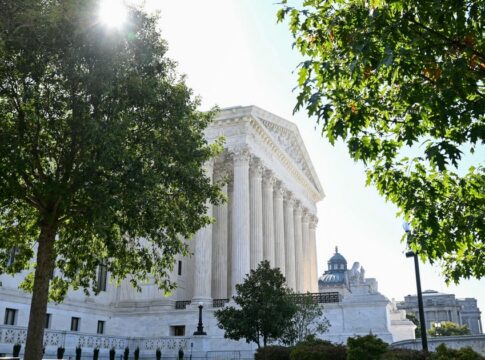
The Supreme Court rejected the Trump administration’s emergency request to force California election officials to segregate mail ballots from more than 20,000 suspected noncitizens during the 2026 midterm elections, issuing a brief unsigned order with no recorded dissents.
Administration’s Demands Met With Resistance
The Justice Department demanded that California and Los Angeles County officials set aside ballots from over 20,000 people identified as suspected noncitizens on voter rolls. The administration later expanded these demands to all 58 California counties, providing lists of alleged noncitizens and ordering their ballots be separated until citizenship could be verified. California has more than 23 million registered voters, and over 6 million mail ballots had already been returned when the dispute arose.
State and local election officials raised serious concerns about the accuracy of the federal government’s lists. They warned that complying with the demand could disenfranchise legitimate American citizens. The administration filed a lawsuit against California officials and Dean Logan, the Los Angeles County registrar-recorder and county clerk, seeking a court order to segregate the ballots in question.


Lower Courts Side With California
Both the district court and the 9th Circuit Court of Appeals denied the Justice Department’s requests before the matter reached the Supreme Court. The high court acted swiftly on the emergency application without requesting a response from California election officials. The unsigned order provided no explanation for the denial, and none of the justices noted any dissent from the decision.
Election Integrity Battle During Critical Midterms
The dispute unfolded during the final days of the 2026 midterm campaign, with Republicans fighting to maintain control of both the House and Senate. Voting in California had been underway since early October when the administration first raised concerns about noncitizen voters. The case highlights ongoing tensions between federal and state authorities over election procedures and voter eligibility verification. The administration’s inability to secure emergency relief means California will count all validly cast ballots without the requested segregation, potentially affecting races across the state in this consequential election cycle.