
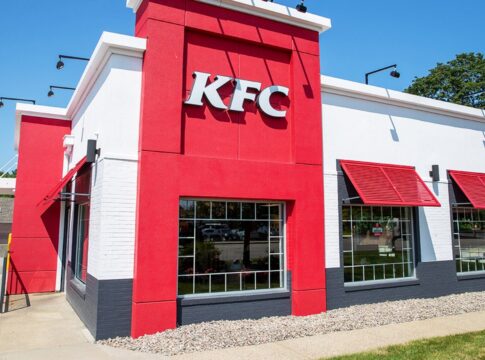
A major fast-food franchise operator has filed for bankruptcy protection, putting 84 KFC locations and more than 1,600 American jobs on the chopping block as mounting debt and declining sales force a complete liquidation of the business.
Texas Company Seeks Emergency Sale
Tasty Chick’n, LLC, based in Plano, Texas, filed for Chapter 11 bankruptcy protection on November 16 in federal court. The company operates 75 standalone KFC restaurants and nine combined KFC/Taco Bell locations spread across 10 states, with nearly half concentrated in Florida and Tennessee. The franchisee now seeks court approval to sell its entire restaurant portfolio to avoid complete shutdown.
The company employs approximately 1,646 workers whose livelihoods hang in the balance as President and CEO Thomas Scott pursues buyers through a court-supervised process. The filing reveals a business struggling under crushing financial pressure that has built over several years, threatening to eliminate jobs across communities that depend on these restaurants.


Steep Sales Decline Triggers Financial Crisis
Restaurant sales plummeted 15.6 percent over three years while profit margins collapsed from 11.8 percent in fiscal 2023 to just 4 percent in fiscal 2026. The deteriorating finances forced Tasty Chick’n to defer franchise royalty payments starting mid-2025 before stopping payments almost entirely by November of that year. This decision set off a chain reaction with serious consequences.
KFC and Taco Bell issued a notice of default in December 2025, warning the franchisee of potential termination. By September 2026, the parent companies sent a notice of intent to terminate franchise agreements, claiming Tasty Chick’n owed approximately $15.7 million in unpaid royalties, advertising contributions, and other fees. Without those franchise agreements, the restaurants cannot legally operate under the KFC and Taco Bell brands, essentially destroying the business value.
Massive Debt Load Compounds Problems
The bankruptcy filing reveals approximately $67.2 million in debt owed to lenders led by MidCap Financial Trust. Additional claims exceeding $2 million involve unpaid rent and other lease charges to landlords across multiple states. The company began marketing its restaurants to potential buyers before officially filing for bankruptcy protection, hoping to find purchasers for the entire business or individual markets.
What This Means for Workers and Communities
This collapse reflects broader challenges facing franchise operators as consumer spending shifts and operational costs rise. The 1,646 employees face uncertain futures as buyers evaluate whether to maintain current staffing levels or restructure operations. Communities hosting these restaurants may see familiar locations disappear entirely if no suitable buyers emerge. The outcome depends on court proceedings and whether franchisors approve any proposed sales, leaving workers and families waiting anxiously for resolution.