
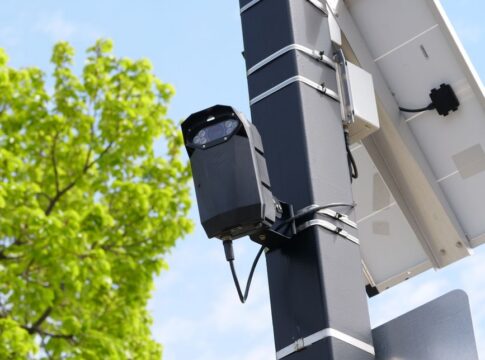
Law enforcement officials in Missouri successfully recovered an abducted infant within hours of the kidnapping, crediting automated license plate recognition technology from Flock Safety cameras as the critical tool that led them directly to the suspect and rescued the child unharmed.
Technology Provides Critical Break in Case
The Flock camera system, which captures and catalogs license plate data from passing vehicles, flagged the suspect’s vehicle shortly after authorities issued an alert for the missing infant. Missouri police departments have increasingly adopted these automated surveillance systems over the past three years, installing them at key intersections and community entry points. The cameras operate continuously, creating a searchable database that law enforcement can access when investigating crimes. In this case, the technology cut what could have been days of investigation down to mere hours.
Police located the vehicle using real-time alerts generated by the Flock system, which immediately notified investigators when the suspect’s car passed within view of multiple cameras. Officers intercepted the vehicle and safely recovered the infant before the kidnapper could leave the state. The swift resolution prevented what authorities described as a potentially tragic outcome, demonstrating how modern surveillance technology can enhance traditional police work when time is critical.


Growing Adoption Despite Privacy Concerns
Flock Safety cameras now operate in over 3,000 cities across America, with many conservative communities embracing the technology as a force multiplier for understaffed police departments. The company markets its systems directly to neighborhoods and municipalities concerned about rising crime rates and limited law enforcement resources. Each camera costs approximately $2,500 annually, a fraction of the expense required to hire additional officers. The systems store data for 30 days before automatic deletion, though law enforcement can preserve specific footage relevant to active investigations.
Critics from both political perspectives have raised concerns about mass surveillance and potential government overreach. However, supporters argue the cameras only capture information visible from public roads, making them constitutionally sound under existing privacy laws. Conservative legal scholars note the technology provides objective evidence that protects both citizens and police officers from false accusations while helping solve serious crimes.
What This Means
This successful rescue demonstrates how communities can leverage technology to protect their most vulnerable residents without necessarily expanding government payrolls. The case provides compelling evidence for municipalities weighing public safety investments against budget constraints and civil liberty considerations. As criminals increasingly operate across jurisdictional boundaries, automated systems like Flock cameras give local police departments capabilities previously available only to state and federal agencies. For families and communities prioritizing child safety, such technology offers measurable protection when every second counts.