
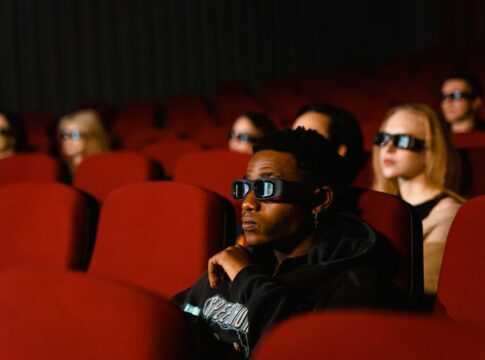
Photo: Tima Miroshnichenko / Pexels
By US Daily Tribune Newsroom, Entertainment Desk — Published November 16, 2026
Table of Contents
- Key Takeaways
- The Background & Context
- Why This Matters
- Reactions & Analysis
- What Happens Next
- Frequently Asked Questions
As 2026 unfolds, the official 2026 culture landscape is already shifting beneath our feet. From streaming wars to Halloween costume trends, from literary marathons to major events reshaping entertainment, Americans are witnessing a year that promises to redefine what’s hot and what’s not in pop culture. The annual ritual of declaring what’s “in” and what’s “out” has become more than a parlor game—it’s a barometer of our collective tastes, anxieties, and aspirations.
This year’s cultural scorecard reveals surprising trends. People are gathering to read Robert Caro’s dense political biography “The Power Broker” aloud over several days, transforming solitary reading into communal experience. Meanwhile, Halloween 2026 saw Americans don costumes inspired by the year’s most viral moments and characters, offering a snapshot of what captured our imagination. These phenomena, alongside other major events shaping the year, paint a portrait of a nation hungry for connection, substance, and shared cultural moments in an increasingly fragmented media landscape.
The entertainment industry—spanning movies, TV, and streaming platforms—continues to drive these conversations. What Americans watch, wear, read, and celebrate tells us who we are and what we value. This year’s ins and outs matter because they reflect broader shifts in how we consume culture and connect with one another.
Key Takeaways
- The official 2026 culture list highlights significant shifts in entertainment preferences and social behaviors across movies, streaming, and TV consumption patterns.
- Public readings of Robert Caro’s “The Power Broker” over multiple days represent a growing appetite for communal intellectual experiences and substantive content.
- Halloween 2026 costumes serve as cultural markers, reflecting the year’s most influential pop culture moments and trending entertainment properties.
- Major events throughout 2026 are reshaping the pop culture timeline, influencing what Americans consider relevant and worthwhile.
- The annual ins and outs ritual has evolved from simple trend-spotting to a meaningful gauge of societal values and entertainment industry health.
- Streaming platforms and traditional media continue competing for audience attention, with distinct patterns emerging about what content resonates.
The Background & Context
The tradition of declaring cultural “ins and outs” dates back decades, but it has gained particular resonance in recent years as social media amplifies and accelerates trend cycles. What once took months or years to permeate mainstream consciousness now happens in days or weeks. The official lists have become anticipated annual events themselves, sparking debates and self-reflection about our collective cultural consumption.
The 2026 edition arrives at a pivotal moment for American entertainment. Streaming services face increasing pressure to demonstrate profitability after years of growth-at-any-cost strategies. Movie theaters continue adapting to post-pandemic realities. Television networks compete with an ever-expanding universe of content options. Against this backdrop, understanding what’s gaining or losing cultural currency matters for industry executives, creators, and investors alike.
The emergence of public readings of weighty political biographies like “The Power Broker” represents a countertrend to bite-sized content consumption. Caro’s 1,344-page masterwork about urban planner Robert Moses won the Pulitzer Prize in 1975, yet it’s experiencing renewed interest as Americans seek deeper understanding of how power operates in their cities and lives. The multi-day public reading format transforms an intimidating solo endeavor into a shared journey, creating community around serious nonfiction.
Halloween costume choices have long served as cultural litmus tests, revealing which characters, celebrities, and moments truly penetrated the zeitgeist. The best pop culture Halloween costumes of 2026 offer insights into which entertainment properties achieved genuine cultural saturation versus mere marketing hype. These costume trends also reflect how quickly Americans process and respond to current events, turning news and entertainment into wearable commentary.
Why This Matters
For ordinary Americans, these cultural shifts affect daily conversations, social connections, and entertainment choices. What’s “in” determines what shows up in your streaming recommendations, what your colleagues discuss around the water cooler, and what your kids are begging to watch or wear. The ins and outs shape a shared cultural vocabulary that helps people connect across geographic and demographic divides.
The economic stakes are substantial. The U.S. entertainment industry generates hundreds of billions of dollars annually and employs millions of workers. When cultural preferences shift—toward or away from certain genres, platforms, or formats—jobs, investments, and entire business models hang in the balance. Studios and networks make billion-dollar bets on what they think will be “in” next year, making accurate trend-reading crucial for economic survival.
The public reading phenomenon speaks to deeper hungers in American life. In an era of isolation, doomscrolling, and algorithmic echo chambers, people are seeking authentic human connection and substantive engagement with ideas. That hundreds would gather to hear a decades-old political biography read aloud suggests dissatisfaction with superficial content and a desire for shared intellectual experience. This trend could signal opportunities for libraries, bookstores, and cultural institutions to reimagine their roles in community life.
Halloween costume trends matter beyond the holiday itself. They reveal which entertainment properties achieved true cultural penetration—not just viewership numbers but emotional resonance strong enough that people want to embody those characters. For studios and creators, Halloween serves as an annual referendum on their work’s impact. For marketers, it offers unfiltered consumer research about which intellectual properties have legs beyond their initial release.
Reactions & Analysis
Cultural commentators note that the 2026 landscape reflects tension between competing impulses. Americans want both escapism and substance, both community and convenience, both novelty and nostalgia. The most successful entertainment properties this year have managed to satisfy multiple desires simultaneously, offering easy accessibility alongside genuine depth.
Industry observers point to the public reading trend as evidence that reports of shortened attention spans may be overstated. While TikTok and short-form video dominate headlines, significant audiences exist for long-form content when presented in the right context. The social dimension transforms consumption from solitary slog to collective adventure, suggesting that format and framing matter as much as content itself.
Entertainment executives are paying close attention to which properties generated Halloween costume demand. In an era when franchises can cost billions to develop and market, organic cultural adoption—measured by costume sales and homemade recreations—provides valuable validation. Some studios now factor Halloween potential into greenlight decisions, recognizing that characters people want to embody possess special cultural power.
Media analysts suggest the 2026 ins and outs reflect broader American anxieties and aspirations. In uncertain times, people gravitate toward content that helps them understand power structures, connect with communities, and participate in shared cultural moments. The specific items on this year’s list may seem trivial individually, but collectively they map the emotional and intellectual landscape of contemporary American life.
What Happens Next
The trends identified in 2026 will shape entertainment production and marketing strategies for years to come. Studios will greenlight projects attempting to capture whatever magic made this year’s “in” properties successful. Streaming platforms will adjust algorithms and recommendations to reflect emerging preferences. Content creators will study what worked and what didn’t, hoping to ride the next wave.
The public reading phenomenon may expand beyond political biographies to other challenging texts, creating new opportunities for cultural institutions. Libraries and bookstores could develop regular programming around communal reading experiences, potentially reversing years of declining foot traffic. Publishers might commission new works with public reading potential in mind, considering how texts sound aloud and how they facilitate group discussion.
Halloween costume trends will continue serving as annual cultural checkpoints, though the specific properties inspiring costumes will evolve. The holiday’s role as a pop culture referendum seems likely to grow as entertainment companies recognize its value for measuring genuine audience connection beyond traditional metrics like viewership or box office.
Looking ahead, the line between “in” and “out” may blur as culture fragments into ever-smaller niches. What’s massively popular in one demographic or platform may be completely unknown in another. The challenge for both creators and audiences will be finding those rare cultural touchstones that still manage to unite diverse groups around shared experiences and conversations.
Frequently Asked Questions
What makes something officially “in” or “out” for 2026 culture?
Cultural “ins and outs” reflect collective shifts in what Americans are watching, wearing, reading, and celebrating. Items make the “in” list when they demonstrate genuine cultural penetration—not just popularity metrics but emotional resonance and social conversation. The “out” list includes once-popular phenomena losing relevance or appeal. These designations emerge from observing entertainment consumption patterns, social media trends, consumer behavior, and public reactions to major events throughout the year.
Why are people reading “The Power Broker” aloud in public settings?
Public readings of Robert Caro’s lengthy political biography represent a reaction against superficial content consumption and social isolation. By gathering to hear this challenging text read aloud over multiple days, participants create community around serious ideas while making an intimidating book more accessible. The format transforms solitary reading into shared intellectual experience, satisfying desires for both substantive content and authentic human connection that many Americans feel are lacking in digital-first entertainment culture.
How do Halloween costumes reflect broader pop culture trends?
Halloween costume choices serve as an annual referendum on which entertainment properties achieved genuine cultural impact. When people invest time and money creating or purchasing costumes based on specific characters or moments, they’re signaling deep engagement beyond passive viewership. The best pop culture costumes of any year reveal which movies, TV shows, streaming series, and current events truly penetrated the collective consciousness. For entertainment companies, Halloween offers unfiltered consumer research about which properties have lasting appeal.
What major events are shaping 2026’s cultural timeline?
While specific events vary across entertainment categories, 2026’s cultural timeline includes significant releases in movies, streaming, and television that are reshaping audience expectations and industry strategies. These major events influence what becomes “in” or “out” by setting new standards for quality, introducing fresh formats, or capturing the zeitgeist in unexpected ways. The cumulative effect of these events determines the year’s cultural character and influences production decisions for years to come.
As 2026 continues unfolding, Americans will keep voting with their attention, their wallets, and their Halloween costume choices. The official ins and outs capture a moment in our ongoing cultural conversation—a conversation that reveals not just what we’re watching, but who we are and what we value. Whether gathering to hear political biographies or dressing as the year’s most memorable characters, we’re participating in the eternal human project of making meaning together through shared stories and experiences.