
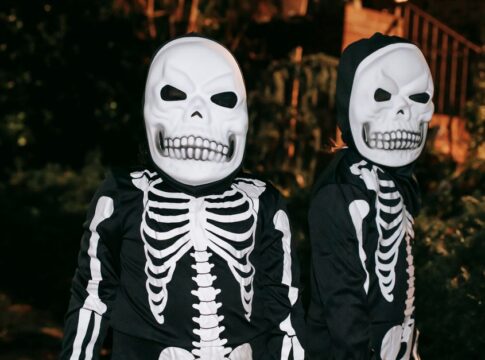
Photo: Charles Parker / Pexels
By US Daily Tribune Newsroom, Entertainment Desk — Published October 30, 2026
Table of Contents
- Key Takeaways
- The Background & Context
- Why This Matters
- Reactions & Analysis
- What Happens Next
- Frequently Asked Questions
The clock is ticking. Halloween looms just days away, and millions of Americans still haven’t settled on a costume. But panic is unnecessary. Pop culture has delivered a treasure trove of inspiration this year, from streaming sensations to blockbuster movies, offering procrastinators a lifeline to pull together memorable looks with minimal lead time.
According to entertainment industry reports, last-minute culture halloween costumes drawn from the year’s biggest TV shows, films, and viral moments have become the go-to solution for time-pressed revelers. The phenomenon reflects how deeply entertainment and streaming content now shape our collective consciousness—and our costume choices. Whether you’re heading to an office party or a neighborhood bash, pop culture references offer instant recognition and conversation starters.
This year’s costume landscape spans everything from workplace-appropriate interpretations to full-throttle character recreations. The diversity of options means almost anyone can find something that fits their comfort level, budget, and the time remaining before October 31st arrives.
Key Takeaways
- Pop culture-inspired Halloween costumes dominate last-minute planning, with 60 to 66 different ideas circulating in entertainment media based on 2024’s biggest moments
- Workplace-appropriate versions of trending costumes allow office celebrations without crossing professional boundaries
- Streaming services, movies, and television continue to drive costume trends more than traditional sources
- Last-minute costume planning has become normalized, with media outlets catering specifically to procrastinators
- The variety of pop culture references ensures options for different age groups, budgets, and comfort levels
The Background & Context
Halloween costume planning has undergone a radical transformation over the past decade. Gone are the days when generic witches, ghosts, and vampires dominated every party. Today’s costume culture revolves around the immediate—whatever captured public attention in the preceding months becomes fair game for creative interpretation.
The shift reflects broader changes in how Americans consume entertainment. Streaming platforms release entire seasons at once, creating cultural moments that burn bright and fast. A character unknown in August can become October’s most-requested costume by virtue of a viral show or breakout film performance. This acceleration has made the “last-minute” costume not just acceptable but often more culturally relevant than costumes planned months in advance.
Major entertainment publications now routinely publish comprehensive guides specifically targeting procrastinators. These aren’t afterthoughts. They represent calculated editorial strategies acknowledging that significant portions of the costume-wearing public wait until the final week—or even final days—to make their choices. The guides serve dual purposes: helping stressed consumers while capitalizing on peak search traffic as Halloween approaches.
The workplace dimension adds another layer of complexity. As more companies embrace Halloween celebrations, employees face the challenge of balancing festivity with professionalism. This has spawned an entire subcategory of costume advice focused on office-appropriate interpretations of pop culture characters. The goal is recognizability without risking HR conversations.
Why This Matters
The Halloween costume industry represents a multi-billion-dollar economic force in the United States. Consumer spending on costumes, decorations, and candy reaches into the tens of billions annually, with costumes alone accounting for a substantial portion. Understanding what drives these purchasing decisions offers insight into broader cultural trends and consumer behavior.
Pop culture’s dominance in costume selection reveals how entertainment shapes American identity and social interaction. When millions choose to dress as the same characters, they’re participating in a collective cultural conversation. These shared references become social currency, facilitating connections between strangers at parties and creating common ground across demographic divides.
For working Americans, the rise of office Halloween celebrations represents a shift in workplace culture. Companies increasingly use holidays as team-building opportunities and morale boosters. Navigating these events requires balancing personal expression with professional judgment—a microcosm of broader workplace challenges around authenticity and boundaries.
The last-minute costume phenomenon also speaks to time poverty in modern American life. That so many people delay costume planning until the final days suggests packed schedules and competing priorities. The entertainment industry’s response—providing quick-reference guides and simple costume ideas—demonstrates how media adapts to serve time-starved consumers.
From an economic perspective, last-minute shoppers face different market conditions than early planners. Inventory may be picked over, forcing creativity or higher prices for rush shipping. Yet retailers have learned to anticipate this behavior, holding back stock specifically for the final week’s surge. The dynamic creates its own mini-economy within the broader Halloween marketplace.
Reactions & Analysis
Entertainment media has embraced the last-minute costume guide as a staple of late October coverage. Publications recognize that Halloween content drives significant traffic, with costume ideas ranking among the most-searched topics as the holiday approaches. The competition to provide the most comprehensive, creative, or accessible list has intensified.
The range of suggestions—from 60 to 66 different pop culture costume ideas depending on the source—reflects both the richness of this year’s entertainment landscape and the editorial imperative to be exhaustive. More options mean greater likelihood that readers will find something matching their specific needs, whether that’s budget, skill level, or personal taste.
Workplace culture experts have noted the growing importance of Halloween in professional settings. What was once primarily a children’s holiday or adult party theme has infiltrated corporate America. This creates opportunities for team bonding but also potential pitfalls. The emphasis on work-appropriate costumes in some guides acknowledges these tensions.
Consumer behavior analysts point to the procrastination pattern as both predictable and profitable. Retailers and content creators have learned to time their offerings accordingly, knowing that a substantial segment of costume buyers will make decisions in the final 72 hours. This has led to optimized supply chains and content calendars designed around last-minute demand.
Social media amplifies the pop culture costume phenomenon. When thousands post photos wearing costumes inspired by the same show or movie, it creates feedback loops that reinforce certain choices while potentially overwhelming originality. The desire to participate in trending moments competes with the wish to stand out—a tension many costume-wearers navigate.
What Happens Next
As Halloween 2024 approaches, retailers and costume shops will experience their predictable final-week surge. Online orders placed now will test shipping timelines, while brick-and-mortar stores will see crowds picking through remaining inventory. The last-minute rush has become so normalized that businesses plan for it as carefully as they do early-season sales.
Looking beyond this year, the pop culture costume trend shows no signs of slowing. If anything, the proliferation of streaming content and the acceleration of entertainment cycles suggest even more options in future years. New shows, movies, and viral moments will spawn new costume ideas, while some current favorites will fade into obscurity.
The workplace costume question will likely continue evolving as office cultures change. Remote work’s impact on Halloween celebrations remains unclear—do distributed teams celebrate virtually, in-person at special gatherings, or not at all? These shifts could reshape the costume market and the advice ecosystem around it.
Sustainability concerns may also influence future costume choices. Fast fashion criticism extends to single-use Halloween costumes, and some consumers are seeking more eco-friendly options or committing to rewearable pieces. Whether this becomes a major trend or remains niche will depend on broader cultural shifts around consumption and environmental awareness.
Frequently Asked Questions
What makes a Halloween costume “last-minute”?
A last-minute Halloween costume is typically one assembled within a week of October 31st, often using items already owned or easily purchased from regular stores rather than specialty costume shops. These costumes prioritize simplicity and accessibility over elaborate construction, relying on recognizable pop culture references that require minimal explanation to be understood by other party-goers.
Why do pop culture costumes dominate Halloween choices?
Pop culture costumes dominate because they offer instant recognition and shared cultural touchstones. When you dress as a character from a popular streaming show or blockbuster movie, others immediately understand the reference, creating natural conversation starters. These costumes also feel current and relevant, reflecting what people have actually been watching and discussing throughout the year rather than relying on timeless but potentially stale costume archetypes.
How can you make a pop culture costume work-appropriate?
Work-appropriate pop culture costumes typically involve toning down revealing elements, avoiding anything violent or controversial, and focusing on easily recognizable accessories rather than full costume transformations. The key is suggesting the character through strategic pieces—a specific color scheme, signature accessory, or iconic prop—rather than attempting a complete recreation that might cross professional boundaries. The goal is cleverness and recognition without compromising workplace standards.
Are last-minute costumes more expensive than planned ones?
Last-minute costumes can be more expensive if they require rush shipping or force buyers to accept whatever remains in stock at premium prices. However, they can also be cheaper when assembled from existing wardrobe items or purchased from regular retailers rather than specialty costume shops. The cost depends largely on creativity and resourcefulness—those willing to improvise often spend less than those seeking perfect ready-made solutions.
As Halloween night approaches, the last-minute scramble will play out in homes across America. Some will nail their pop culture references perfectly. Others will improvise with mixed results. But the shared experience of celebrating through costume—whether meticulously planned or thrown together in panic—remains a uniquely American ritual that shows no signs of fading.