
Federal authorities confirmed the first detection of New World screwworm in American wildlife after a hunter harvested an infected elk on a Texas game ranch, marking a dangerous milestone for a parasite that feeds on living tissue of warm-blooded animals.
Discovery Triggers Emergency Surveillance
The infected elk was discovered on a game ranch in Pecos County after a hunter reported the animal following harvest, according to the USDA’s Animal and Plant Health Inspection Service. The discovery immediately triggered expanded wildlife surveillance across the region, with both federal and state agencies now monitoring the area. The Texas Animal Health Commission responded by modifying a previously established infested zone to contain potential spread of the parasite.
Texas Parks and Wildlife Department joined the USDA in coordinating the emergency response. Officials emphasized the need for rapid detection to prevent the parasite from establishing a foothold in wild animal populations across the state.


Warning Signs Hunters Must Know
Authorities issued urgent guidance for hunters and outdoor enthusiasts to watch for specific warning signs in wildlife. Visible maggots appearing in wounds represent the primary indicator of infection. Animals may also display foul-smelling injuries, unusual weakness, or obvious distress that differs from normal behavior patterns. Additional red flags include open wounds that continue enlarging rather than healing naturally over time.
Infestations commonly appear around sensitive areas including the nose, mouth, ears, eyes, or genital regions. Officials urged anyone spotting suspicious signs to report them immediately to prevent further spread among wildlife populations and potential livestock exposure.
Threat to Animals and Agriculture
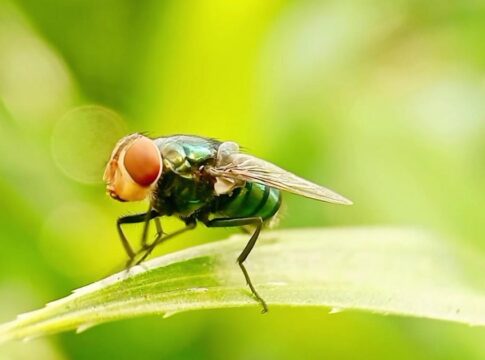
The New World screwworm operates as a parasitic fly that deposits eggs directly into open wounds or body openings of warm-blooded animals. Once eggs hatch, larvae immediately begin consuming living tissue, according to the Centers for Disease Control and Prevention. While humans rarely face infection, the parasite poses significant risks to both wildlife and livestock populations across affected regions.
The USDA clarified that screwworm infestations do not compromise food safety for properly processed meat. However, the parasite creates substantial challenges for meat production operations, potentially affecting ranchers and agricultural operations throughout Texas if the infestation spreads beyond the current containment zone established in Pecos County.
Sources
Cbsnews: First case of New World screwworm in U.S. wildlife confirmed in Texas elk, USDA says
Where have you guys been. This was first reported months ago.